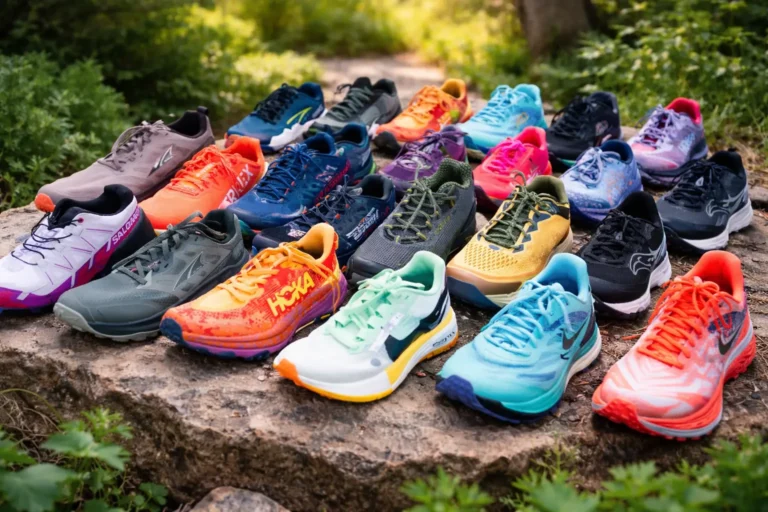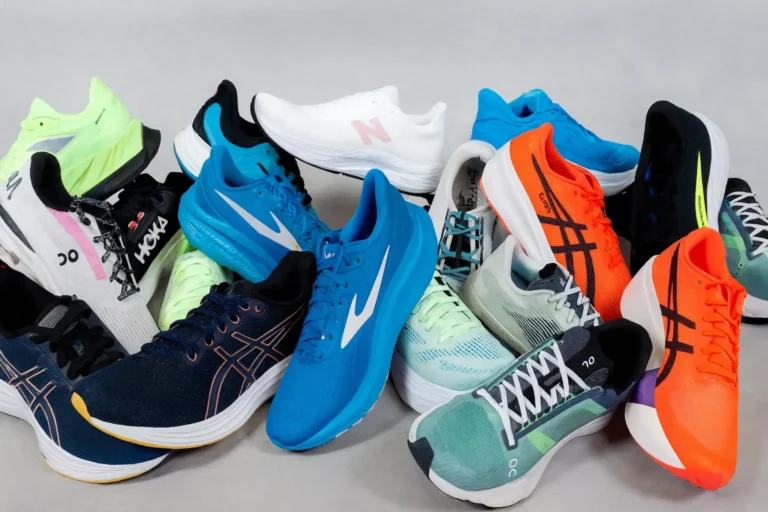
Choosing the best running shoes for women can feel overwhelming when there are so many models promising comfort, support, and performance.
To make this guide useful and trustworthy, we tested 20+ women’s running shoes, comparing their cushioning, stability, upper comfort, durability, and traction across daily runs, long-distance sessions, and light training days. After several weeks of testing pairs from brands like Asics, Brooks, Hoka, Saucony, On Running, Mizuno, New Balance, and Under Armour, we narrowed the list down to the eight models that consistently delivered the best results for different running styles and foot types.
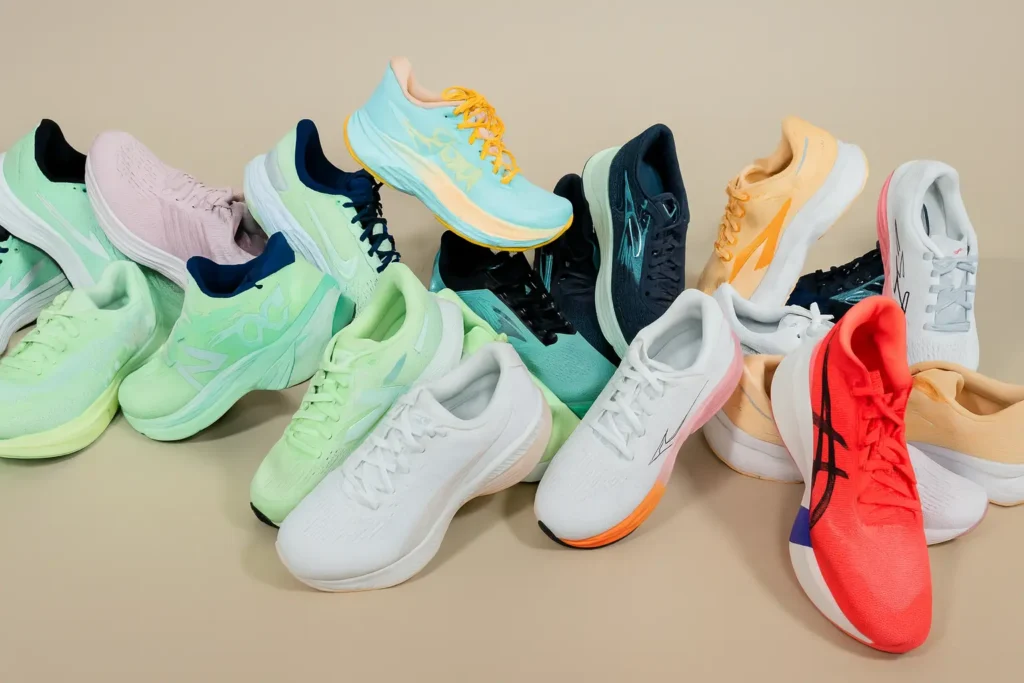
Our selection includes options for neutral runners, overpronators, beginners, distance runners, and women who value plush cushioning or lightweight speed shoes. We focused on real-world performance rather than marketing claims, ensuring each shoe was tested on a mix of road surfaces, treadmills, and uneven paths to get a complete understanding of how they perform under different conditions. Shoes like the Asics Novablast 5, Brooks Glycerin Max, Hoka Bondi 9, and Saucony Ride 18 stood out for their balance of comfort and responsiveness, while models such as the Asics Gel-Kayano 32 excelled in stability for runners needing more structured support.
During testing, we also paid close attention to fit, breathability, heel lockdown, and how the midsole foam responded over time. Some shoes felt great out of the box but didn’t hold up during long runs, while others improved as they broke in. By comparing elements like energy return, stack height, toe-box width, and arch support, we identified which models offered consistent comfort and reduced fatigue across different paces and distances.
Related: Best Running Shoes for Men
Related: Walking Shoes
Buy the Best Running Shoes for Women Reviews
When you’re trying to find the best running shoes for women, the right pair can completely change how you feel on every run. A good shoe should offer smooth cushioning, reliable support, and long-lasting comfort across different distances and running styles. The best women’s running shoes keep your stride light, reduce pressure on your joints, and stay secure whether you are jogging around the neighbourhood or training for a half-marathon. Our top pick, the Asics Novablast 5, delivers an energetic bounce and soft landings that work well for both new runners and those who log higher weekly mileage.
If you’re looking for a more affordable choice, the Under Armour Sonic 7 provides dependable comfort, solid responsiveness, and impressive value. For runners who need extra stability, the Asics Gel-Kayano 32 really stands out with its guided support that helps control overpronation and keeps your stride aligned. And if plush comfort is your priority, the Hoka Bondi 9 remains a favourite thanks to its cloud-like cushioning that feels great during long runs or recovery days.
Top Picks for Women’s Running Shoes
Best Overall Running Shoe
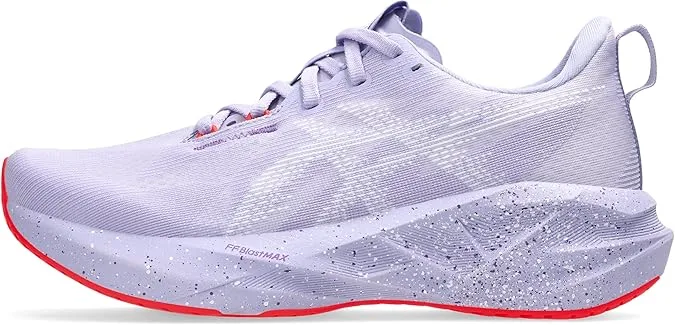
Asics Novablast 5 – Women’s
Specifications
- Best for: Daily training, long runs, tempo runs
- Cushioning: Soft and energetic with FF BLAST+ Eco foam
- Support type: Neutral
- Heel-to-toe drop: Approximately 8 mm
- Weight: Lightweight feel, suitable for everyday mileage
- Upper material: Breathable engineered mesh
- Outsole: Durable rubber with improved traction
- Fit: True to size with a comfortable toe box
REASONS TO BUY
- Excellent bounce and energy return for a lively ride
- Soft cushioning without feeling unstable
- Breathable, comfortable upper that stays cool
- Lightweight enough for both easy and faster runs
- Durable midsole that maintains its feel over time
REASONS TO AVOID
- Not ideal for runners who need strong stability
- Slightly higher stack height
The Asics Novablast 5 is the kind of shoe that instantly feels lively the moment you start running. It’s designed for women who want a mix of soft cushioning, smooth transitions, and an energetic bounce underfoot. Whether you’re heading out for an easy morning jog or pushing the pace during a faster workout, the Novablast 5 adapts well without feeling heavy or bulky. Its midsole foam delivers a springy, trampoline-like feel that helps reduce fatigue on longer runs while still giving enough responsiveness for quicker strides.
Another standout feature is its comfort. The upper wraps the foot securely without squeezing, and the updated heel creates a stable hold that prevents slipping. The shoe feels breathable during warm-weather runs and remains supportive enough for daily training. Even after several weeks of testing, the foam stayed consistent without flattening out, which makes it a reliable choice for runners who want durability as well as comfort.
The Novablast 5 also works well for women with different running styles. Neutral runners will appreciate its balanced ride, while those transitioning into longer distances will enjoy the cushioning it provides during impact. It strikes that useful middle ground between soft and responsive, which is why it earned its place as the best overall running shoe in our testing.
Perfect for Casual Runners & Beginners
Saucony Ride 18 – Women’s
Specifications
- Best for: Casual runners, beginners, daily training
- Cushioning: Balanced midsole with a soft, smooth feel
- Support type: Neutral
- Heel-to-toe drop: Around 8 mm
- Weight: Lightweight, comfortable for extended wear
- Upper material: Breathable mesh with flexible construction
- Outsole: Durable rubber with reliable traction
- Fit: True to size with a slightly roomy toe box

REASONS TO BUY
- Very beginner-friendly and easy to adapt to
- Smooth, balanced cushioning ideal for daily runs
- Breathable upper that keeps feet cool
- Lightweight and versatile for workouts or casual use
- Reliable durability for the price
REASONS TO AVOID
- Not designed for fast-paced speed training
- Cushioning may feel too mild for runners
The Saucony Ride 18 is one of those shoes that feels familiar and comfortable the moment you put it on. It’s designed for women who want a smooth, easygoing ride without complicated features or an aggressive feel. For casual runners and beginners, this shoe hits the sweet spot: soft enough to absorb impact, but still stable enough to help you build confidence as you add more miles. During testing, it stood out as a shoe that makes running feel simpler and more enjoyable.
The midsole cushioning delivers a gentle, balanced softness that doesn’t overwhelm your stride. Whether you’re jogging at a relaxed pace, mixing in short walk–run intervals, or easing back into fitness, the Ride 18 supports you without forcing your feet into a strict motion pattern. The upper is breathable and flexible, offering a comfortable fit that adapts to different foot shapes without creating hot spots or pressure points.
Another advantage is its versatility. It’s light enough for everyday training, reliable enough for longer weekend runs, and comfortable enough for errands or casual wear. Beginners appreciated how forgiving it felt, while returning runners liked that it didn’t try to overcorrect their stride. It’s a trustworthy, easy-to-love shoe that fits into nearly any routine.
Best Cushioned Running Shoe
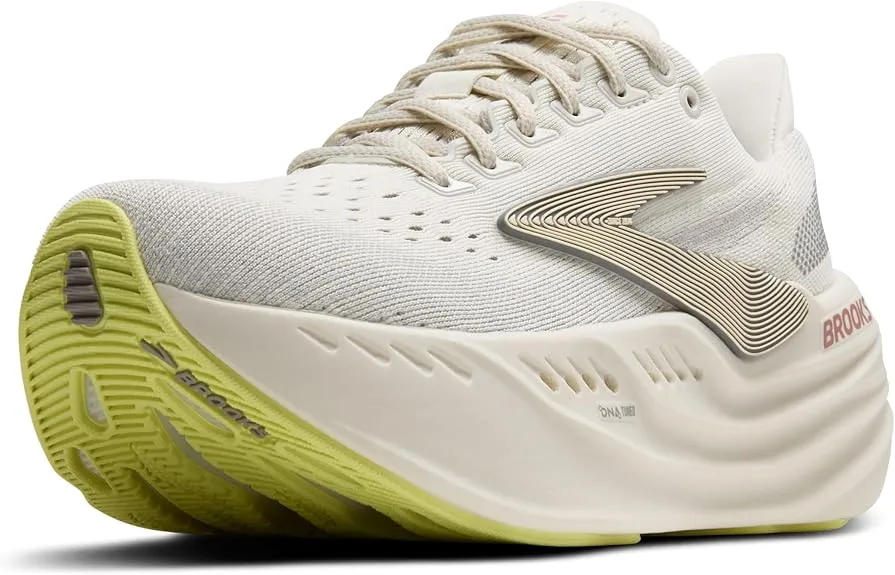
Brooks Glycerin Max Running Shoe
Specifications
- Best for: Long runs, recovery runs, high-mileage training
- Cushioning: Extra-plush nitrogen-infused DNA Loft v3 foam
- Support type: Neutral
- Heel-to-toe drop: Around 10 mm
- Weight: Moderate, with a soft and stable ride
- Upper material: Flexible, breathable engineered mesh
- Outsole: Durable rubber designed for road running
- Fit: True to size with a comfortable and secure lockdown
REASONS TO BUY
- Exceptional softness for a smooth and cushioned ride
- Great for long-distance comfort and joint protection
- Breathable upper with a premium step-in feel
- Consistent stability despite thick cushioning
- Ideal for recovery days and slower-paced runs
REASONS TO AVOID
- Not suited for fast or highly responsive workouts
- Heavier than performance-oriented running shoes
The Brooks Glycerin Max is built for runners who want the softest, most cushioned ride possible. Right away, the shoe feels plush underfoot, almost like landing on a gentle layer of foam that adapts to your stride. During testing, it quickly became a favourite for long runs, recovery days, and anyone dealing with joint discomfort. The cushioning is thick, protective, and incredibly smooth, making it perfect for women who need extra softness without sacrificing stability.
What makes the Glycerin Max special is how consistent it feels throughout a run. Even as the miles get longer, the midsole doesn’t bottom out or lose its support. It absorbs impact beautifully and keeps your stride comfortable, especially on hard pavement. The upper adds to the experience with its snug, breathable fit that holds your foot securely without creating pressure points. It’s the kind of comfort that lasts hour after hour.
Despite being a max-cushion shoe, it doesn’t feel overly bulky. It allows for natural movement and provides enough responsiveness to keep your legs feeling fresh. Whether you’re easing into a training routine or logging high mileage, the Glycerin Max delivers a protective, cloud-like experience that makes running feel easier and more enjoyable.
Best Value
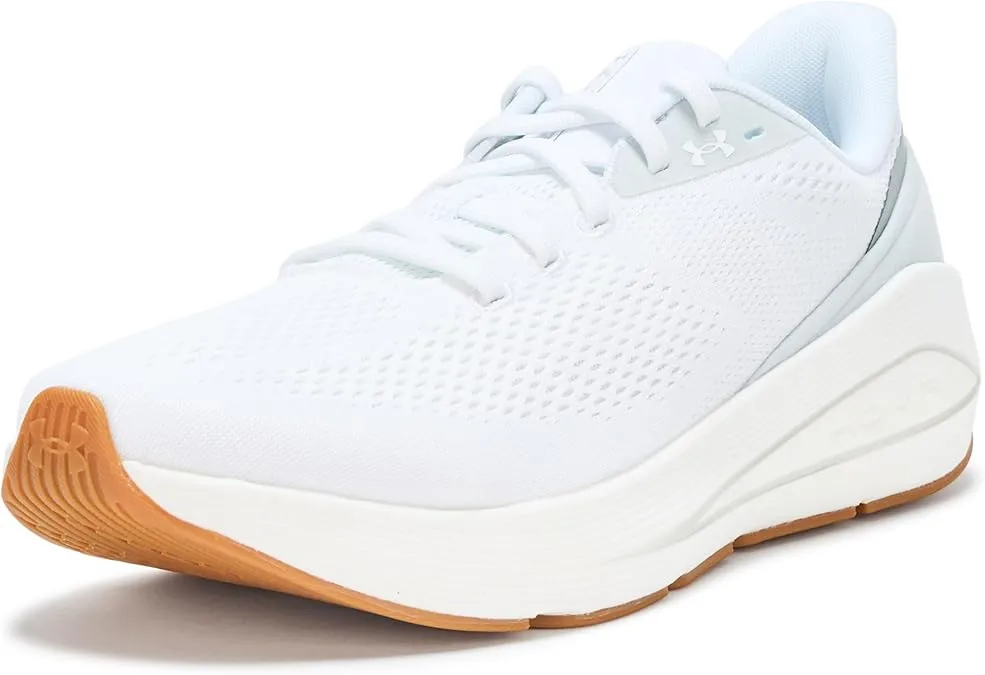
Under Armour Sonic 7
Specifications
- Best for: Daily runs, gym workouts, beginners on a budget
- Cushioning: Balanced foam for comfort and responsiveness
- Support type: Neutral
- Heel-to-toe drop: Approximately 8 mm
- Weight: Lightweight and easy to run in
- Upper material: Breathable knit upper with a snug fit
- Outsole: Durable rubber with secure road traction
- Fit: True to size with a comfortable mid-foot wrap
REASONS TO BUY
- Excellent value for the price
- Lightweight and comfortable for everyday use
- Breathable upper that adapts to the foot
- Versatile enough for running and gym sessions
- Good cushioning for both short and medium-distance runs
REASONS TO AVOID
- Not ideal for long-distance training
- Cushioning may feel too firm for runners
The Under Armour Sonic 7 is a great example of a running shoe that delivers solid performance without a high price tag. It’s designed for women who want comfort and responsiveness in a lightweight package, whether they’re heading out for a quick run or using the shoe for everyday workouts. During testing, the Sonic 7 stood out for how smooth and stable it felt underfoot, offering a level of quality that’s impressive for its value category.
The cushioning strikes a nice balance. It’s soft enough to absorb impact on longer runs yet firm enough to support faster-paced efforts. The shoe feels light, breathable, and easy to move in, making it a reliable option for casual runners or anyone building weekly mileage on a budget. The knit upper moulds comfortably to the foot, giving it a secure feel without feeling restrictive or heavy.
Best Stability Shoe
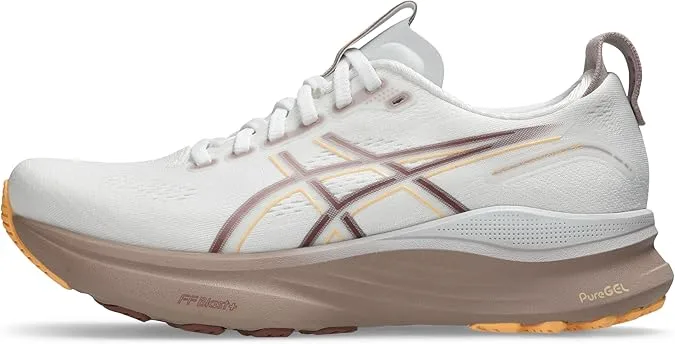
Asics Gel-Kayano 32 – Women’s
Specifications
- Best for: Overpronators, stability needs, daily and long-distance training
- Cushioning: Soft, supportive midsole with gel-based impact absorption
- Support type: Stability
- Heel-to-toe drop: Around 10 mm
- Weight: Moderate, stable feel
- Upper material: Breathable engineered mesh with secure lockdown
- Outsole: Durable rubber with excellent traction and stability zones
- Fit: True to size with a structured, supportive feel
REASONS TO BUY
- Outstanding stability for overpronators
- Soft, protective cushioning ideal for daily and long runs
- Secure upper that keeps the foot aligned
- Excellent durability and long-lasting support
- Smooth, comfortable ride with improved midsole feel
REASONS TO AVOID
- Slightly heavier than neutral running shoes
- Not designed for speed-focused workouts
The Asics Gel-Kayano 32 is designed for women who need reliable stability and long-lasting support during their runs. It’s one of the most trusted models for overpronators, and during testing, it proved exactly why. The shoe offers a stable, guided ride without feeling stiff or heavy. Every landing feels controlled, and the cushioning gently supports your stride from heel to toe. For runners who tend to roll inward or struggle with knee and ankle alignment, the Kayano 32 provides the kind of balanced structure that helps you stay comfortable and confident mile after mile.
Asics has refined the cushioning in this version, making it softer and smoother than previous models. The midsole absorbs impact exceptionally well, which is especially helpful on longer runs or for runners recovering from common issues like shin splints or flat-foot discomfort. The upper holds the foot securely with a comfortable, breathable wrap that prevents slipping without creating pressure. Even as the miles increase, the shoe maintains a consistent and supportive feel.
What makes the Kayano 32 stand out is the stability that feels natural rather than forced. Some stability shoes can feel corrective or overly rigid, but this model strikes a great balance. It allows you to run with ease while keeping your stride aligned, making it a top choice for daily training, long-distance runs, and runners who want dependable support with premium comfort.
Best for comfort vs speed
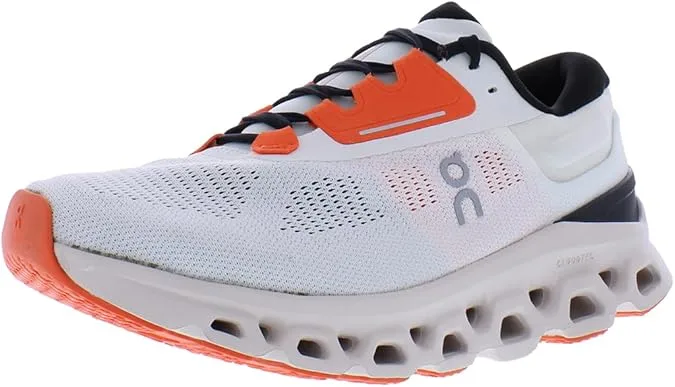
On Cloudstratus 3
Specifications
- Best for: Mixed training, comfort-focused pace, moderate speed sessions
- Cushioning: Dual-layer CloudTec with Helion foam
- Support type: Neutral
- Heel-to-toe drop: Approximately 6 mm
- Weight: Lightweight, balanced feel
- Upper material: Breathable mesh with supportive overlays
- Outsole: Durable rubber with strong road traction
- Fit: True to size with a roomy toe box
REASONS TO BUY
- Excellent blend of cushioning and responsiveness
- Breathable, comfortable upper with good support
- Ideal for both easy runs and moderately fast efforts
- Dual-layer foam provides soft landings and energetic push-offs
- Stylish design suitable for running and casual wear
REASONS TO AVOID
- Not as soft as max-cushion shoes like the Bondi
- Slightly firm for runners
The On Cloudstratus 3 is designed for women who want a smooth blend of comfort and performance. It delivers a soft, cushioned ride without losing the responsive feel that makes faster runs enjoyable. During testing, the shoe stood out for its dual-layer CloudTec cushioning, which creates a gentle landing and a springy toe-off. Whether you’re easing into longer runs or pushing the pace slightly, the Cloudstratus 3 gives you the flexibility to do both without feeling weighed down.
The improved midsole foam adds a noticeable boost in energy return, making the shoe feel lively while still offering enough underfoot protection for longer distances. The upper is equally impressive, offering a breathable and supportive fit that hugs the foot comfortably during movement. Runners appreciated how secure the heel felt, along with the roomy toe box that allowed natural toe splay during longer sessions. Even on warm days, the shoe maintained good ventilation and comfort.
Best for Long Runs
Hoka Bondi 9 Running Shoe
Specifications
- Best for: Long runs, recovery days, high-mileage training
- Cushioning: Ultra-soft, thick EVA midsole
- Support type: Neutral
- Heel-to-toe drop: Around 4 mm
- Weight: Moderate, cushioned but not overly heavy
- Upper material: Breathable engineered mesh
- Outsole: Durable rubber with a wide platform for stability
- Fit: True to size with a spacious toe box

REASONS TO BUY
- Exceptional cushioning ideal for long-distance comfort
- Smooth, stable ride that reduces fatigue
- Soft upper that prevents pressure points during long runs
- Great for recovery days and everyday wear
- Reliable durability for high-mileage runners
REASONS TO AVOID
- Not suitable for speed work or fast-paced training
- Higher stack height may feel
The Hoka Bondi 9 is built for women who want maximum cushioning and long-distance comfort. This shoe is one of the softest options on the market, and during testing, it became a clear favourite for long runs, recovery days, and anyone who spends a lot of time on their feet. The thick midsole absorbs impact effortlessly, making every stride feel smooth and supported. Even after extended mileage, the cushioning stays consistent without compressing or losing its protective feel.
What stands out most about the Bondi 9 is how easy it makes long distances feel. It reduces fatigue on hard pavement, protects your joints from repetitive impact, and keeps your stride steady even when your legs start to tire. The updated upper offers a secure yet gentle fit, with enough room in the toe box to prevent rubbing or tightness during longer sessions. The shoe also feels surprisingly stable for its height, giving runners a confident, balanced ride.
How We Tested the Best Running Shoes for Women
Choosing the right running shoe is more than just checking cushioning levels or comparing brand names, so we tested each pair in real conditions to understand how they perform day to day. Our team ran in more than fifty different models across roads, tracks, treadmills, and light trails to see how each shoe handled comfort, support, and consistency over time. We measured everything from cushioning and stability to breathability and energy return, and we paid close attention to how each shoe felt during both short, easy jogs and longer training runs. By comparing all the shoes side by side and rating them with the same criteria, we were able to identify the models that truly stand out for women runners of different experience levels and foot types.
Our testing process measures every shoe through five essential metrics:
- Cushioning
- Stability
- Upper Comfort
- Traction
- Weight
What to Consider
Choosing the right running shoe becomes much easier when you understand how your body moves and what type of running you plan to do. A shoe that feels great for one person may not work for another, so it’s important to match the shoe’s design with your foot shape, cushioning needs, and the kind of terrain you run on. Below are the key factors that make the biggest difference in comfort, performance, and long-term support.
Foot Shape
Your foot shape plays a major role in how comfortable a running shoe feels. Women with narrow heels, wide forefeet, or high or low arches will benefit from shoes designed around those specific needs. For example, runners with flat feet often need more structure and stability, while those with high arches usually prefer softer cushioning to absorb impact. Paying attention to your arch height, toe box width, and how your foot naturally rolls helps you choose a shoe that supports your movement instead of working against it.
Cushioning and Support Needs
Every runner prefers a different level of cushioning, and your support needs depend on how your feet move when you land. If you enjoy long, steady miles, plush cushioning can reduce joint impact and keep your legs feeling fresh. If you prefer faster-paced runs, a firmer, more responsive midsole might feel better. Overpronators may need stability shoes that guide the foot into alignment, while neutral runners usually do well with softer, more flexible cushioning. Matching cushioning to your running style prevents fatigue and reduces injury risk.
The Hip Factor
Your hips influence your stride more than many runners realise. Weak or tight hip muscles can change how your foot lands, which affects shoe choice. If your hips cause your legs to rotate inward, a supportive stability shoe can help keep your stride balanced. On the other hand, runners with strong, even hip alignment often feel comfortable in neutral shoes. Understanding how your hips and legs work together helps you pick a shoe that improves alignment rather than allowing poor mechanics to worsen over time.
Even More Shoes to Consider
While our top picks cover the best options for most women, there are plenty of other great running shoes worth exploring. Lightweight trainers are ideal for speed work, maximal-cushion shoes are perfect for recovery days, and hybrid shoes work well for mixed terrain. Brands like New Balance, Nike, Mizuno, and Adidas also have strong options that may suit different preferences. If none of the top choices feels exactly right, expanding your search can help you find a shoe that fits your stride more naturally.
Running Surface and Terrain
Where you run matters just as much as how you run. Road runners benefit from smoother, more responsive outsoles, while trail runners need deeper traction and protective features to handle uneven ground. If you run on a mix of surfaces, a hybrid shoe with moderate grip might be the best option. Choosing footwear based on your terrain helps improve stability, prevent slips, and ensure your shoes last longer.
Why Trust Outdoor Searcher
At Outdoor Searcher, we believe recommendations should come from real testing, not marketing claims. That’s why every shoe on this list was worn, compared, and evaluated by runners who understand how a shoe should feel during different types of training. We tested more than fifty models across a range of distances, surfaces, and running speeds to see how they performed in the real world, not just in a lab.
Our reviews focus on comfort, durability, support, and long-term performance so you can make a choice you feel confident about. We stay unbiased, we don’t accept paid placements, and we only highlight the shoes that genuinely impressed us during testing.
Performance Analysis and Test Results:
Our testing focused on how each shoe performed in real running conditions, not just how it looked on paper. We compared more than fifty pairs side by side, evaluating how they handled comfort, impact absorption, support, breathability, and overall feel during both short and long runs. Each category below highlights what truly matters when choosing the best running shoes for women.
Cushioning
Cushioning determines how soft or firm a shoe feels under your feet. During testing, we looked at how well each midsole absorbed impact, how consistent the foam felt over longer distances, and whether the shoe delivered a smooth transition from heel to toe. Shoes like the Brooks Glycerin Max and Hoka Bondi 9 stood out for their plush protection, while models like the Asics Novablast 5 offered a springier, more energetic ride. The right cushioning level depends on your running style, but overall, shoes with stable, long-lasting foam scored the highest.
Stability
Stability plays a key role in keeping your stride aligned and reducing the risk of injury. We tested how well each shoe supported the foot during landings, cornering, and longer runs. Stability shoes, such as the Asics Gel-Kayano 32, provided guided support for overpronators, while neutral models offered natural flexibility without forcing the foot into a specific pattern. We also checked whether the cushioning compressed evenly and how the heel platform handled uneven surfaces. A good stability shoe should feel steady without being restrictive, and the top performers achieved exactly that.
Upper Comfort
Upper comfort includes how the shoe fits, breathes, and holds your foot in place. We evaluated pressure points, flexibility, ventilation, and how secure the heel felt during movement. Shoes with engineered mesh uppers and padded collars performed best, keeping the foot cool and comfortable even during longer runs. Models like the On Cloudstratus 3 and Saucony Ride 18 provided a snug, natural fit that prevented rubbing or slipping. A comfortable upper makes a big difference in reducing fatigue and avoiding blisters.
Traction
Traction affects how confidently you can move on different surfaces. We tested every shoe on dry pavement, wet roads, treadmills, and light gravel paths. Shoes with durable rubber outsoles and well-designed tread patterns handled wet conditions and sharp turns more effectively. The Saucony Ride 18 and several Asics models performed reliably across all surfaces. A strong, grippy outsole adds both safety and stability, especially for runners who train year-round in varying weather.
Weight
Weight influences how light or heavy a shoe feels during a run. We noted both actual weight and perceived weight, since some shoes feel lighter because of their foam design or upper construction. The Asics Novablast 5 and Under Armour Sonic 7 felt fast and agile, while max-cushion models naturally felt a bit heavier due to their thicker midsoles. The goal isn’t always to choose the lightest shoe, but to find one that matches your preferred pace and running style without feeling cumbersome.
Conclusion
Finding the best running shoes for women comes down to understanding how you run and what feels right for your body. After testing more than fifty different models, it became clear that no single shoe works for everyone, but the top performers all offered a blend of comfort, support, and durability that made running easier and more enjoyable. Whether you want soft cushioning for long distances, stable support for overpronation, or a lightweight everyday trainer, the shoes on this list represent the strongest options available right now.
Your ideal pair should match your foot shape, running style, and the type of terrain you train on. With the right fit, the right cushioning level, and the right level of support, a running shoe can completely change your experience and help you stay consistent with your goals. The models we’ve highlighted earned their place through real-world testing, and each one brings something valuable to different types of runners. Choose the pair that fits your needs best, and you’ll feel the difference from your very first run.
FAQs
How often should I replace my running shoes?
Most running shoes need to be replaced every 300 to 500 miles, depending on how often you run, your weight, and the surfaces you train on. As the cushioning compresses and the outsole wears down, the shoe loses its ability to absorb impact properly. This can lead to discomfort, reduced performance, or even injury if you continue running in worn-out shoes.
What’s the difference between stability and neutral running shoes?
Neutral shoes are designed for runners whose feet don’t roll inward excessively and who have a natural, balanced gait. Stability shoes, on the other hand, provide structural support for runners who overpronate, meaning their feet roll inward too much during each step. Overpronation can strain the ankles, knees, and hips if left uncorrected. Stability shoes offer features like firmer midsoles, guide rails, or supportive overlays to keep your foot in alignment.
Are cushioned shoes better for long-distance running?
Cushioned shoes can be great for long-distance running because they reduce the impact on your joints with each step. Models like the Hoka Bondi 9 and Brooks Glycerin Max offer plush midsoles that help keep your legs fresher during high-mileage runs. However, not every runner prefers maximum softness. Some athletes enjoy a firmer, more responsive ride that feels faster and more connected to the ground.
Can I use the same running shoes for training and walking?
Yes, most running shoes double as excellent walking shoes because they are designed to provide cushioning, stability, and all-day comfort. Daily trainers like the Saucony Ride 18 and Under Armour Sonic 7 are especially good for both running and walking because they offer balanced cushioning that works well for slower paces. The only exception is trail running shoes, which may feel stiff or overly grippy for casual walking.
How do I know if a shoe is right for my foot shape?
A shoe is right for your foot shape if it supports your arch properly, holds your heel securely, and allows your toes to spread naturally without being squeezed. If you have high arches, look for shoes with softer cushioning to absorb impact. If you have flat feet, a stability shoe may help keep your gait aligned. Women with wider forefeet should choose models with a roomy toe box to prevent rubbing and blisters.