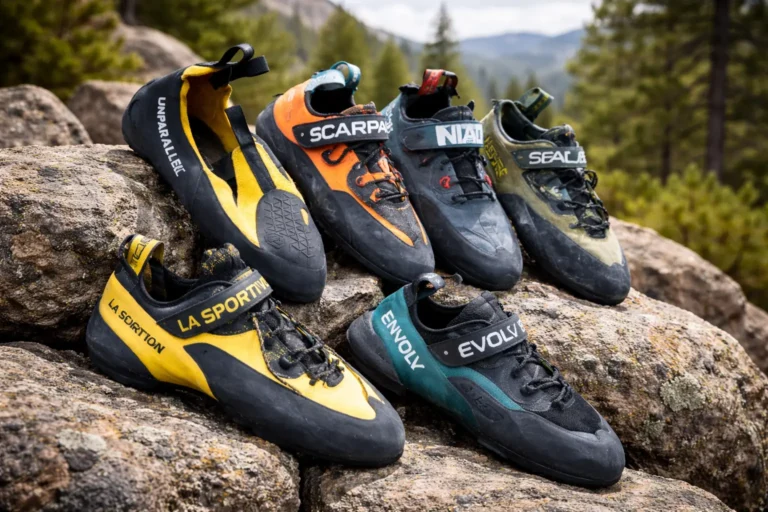
We tested 12 pairs of the best women’s climbing shoes from different brands. The best climbing shoes for women are the ones that combine the right fit, comfort, and performance for how you actually climb.
After testing and reviewing women’s climbing shoes, we narrowed the field down to a small group that consistently performed well across different climbing styles. Instead of relying on specs alone, each shoe was worn, climbed in, and compared in real gym and outdoor conditions. This approach helps quickly answer the common question climbers ask first: which women’s climbing shoes are actually worth buying.
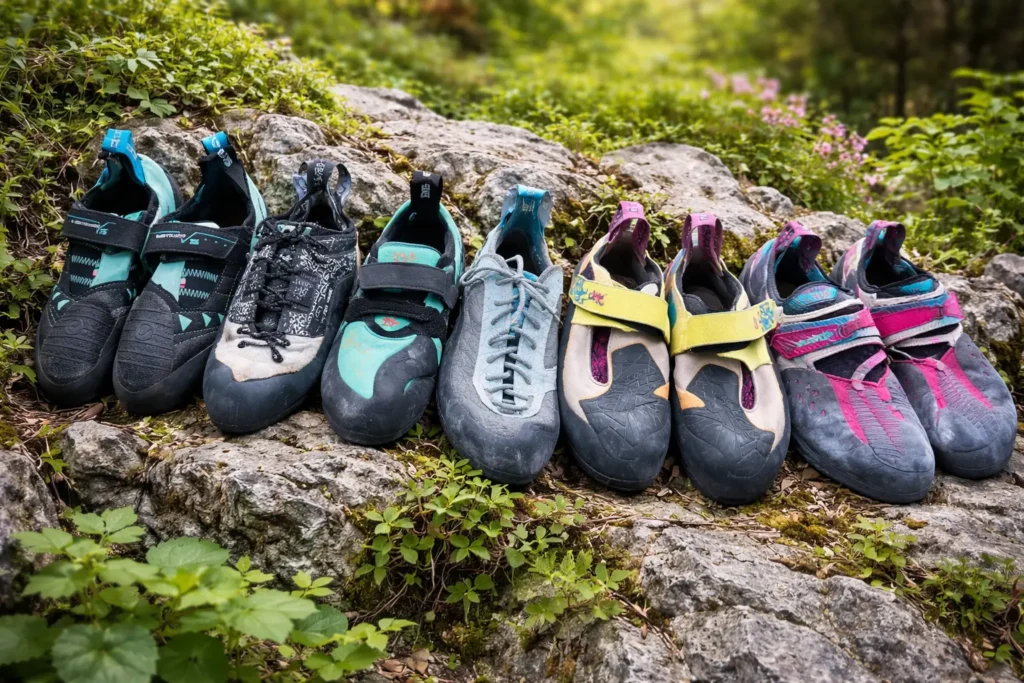
In the product section of this guide, you will find carefully selected models from trusted brands like La Sportiva and SCARPA. Shoes such as the La Sportiva Skwama, Finale, Tarantula, Tarantulace, Solution Comp, Katana Lace, and the SCARPA Women’s Origin stood out during testing. Many other shoes were removed from consideration due to poor heel fit, lack of sensitivity, or discomfort during longer sessions. Only those that showed reliable performance across multiple climbers and terrain types made it into the final selection.
This review is written to feel less like marketing and more like advice from someone who actually climbs. Whether you are just starting or pushing harder routes, the goal is to help you choose confidently without wasting money or time. By combining hands-on testing with honest performance feedback, this guide highlights the best climbing shoes for women that deliver real comfort, durability, and climbing confidence.
Related: Men’s Climbing Shoes
Buy Best Climbing Shoes for Women Reviews
When picking the best climbing shoes for women, it’s smart to think about comfort, fit, sensitivity, edging power, and how the shoe matches your climbing style. We tested more than fifty to sixty women’s climbing shoes across gym sessions, bouldering problems, sport routes, and technical cracks to see which ones truly perform. Our top overall choice is the La Sportiva Skwama. It offers an excellent balance of sensitivity and support, a secure heel, and sticky rubber that works just as well on steep boulders as it does on technical sport climbs. If you are new to climbing or want something comfortable for long sessions, the La Sportiva Finale is a great value pick. It delivers all-day comfort, dependable edging, and a forgiving fit that helps beginners focus on technique instead of foot pain.
Top Picks for Women’s Climbing Shoes
Best Overall Climbing Shoe for Women
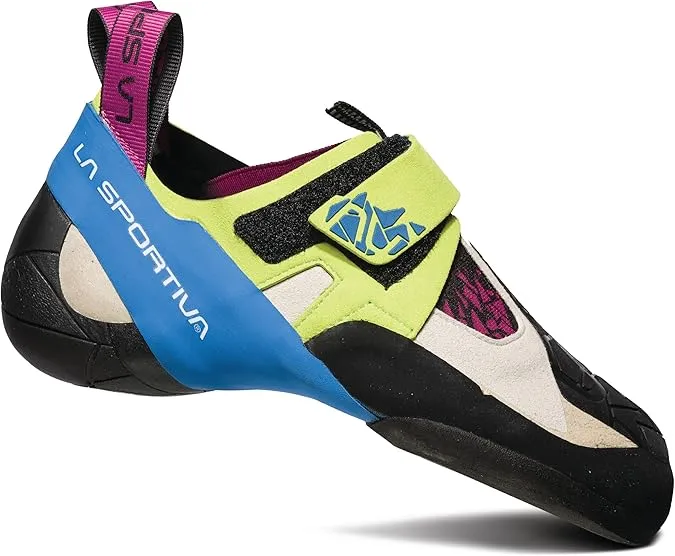
La Sportiva Skwama
Specifications
- Closure system: Hook and loop
- Upper material: Leather and microfiber
- Midsole: Minimal for increased sensitivity
- Outsole rubber: Vibram XS Grip 2
- Shoe profile: Aggressive and downturned
- Best use: Bouldering, sport climbing, steep routes
REASONS TO BUY
- Excellent balance of sensitivity and support
- Strong heel and toe hooking performance
- Comfortable for an aggressive climbing shoe
- Performs well across multiple climbing styles
REASONS TO AVOID
- Expensive compared to beginner models
- Not ideal for long crack climbing days
The La Sportiva Skwama is widely considered one of the best all-around climbing shoes for women because it blends comfort, sensitivity, and power better than almost any other model we tested. During testing across gym climbing, bouldering, and outdoor sport routes, the Skwama consistently stood out for its ability to handle steep terrain without feeling overly stiff or painfully aggressive. It feels precise on small footholds while still allowing enough flexibility to trust smears and volumes.
What really makes the Skwama shine is how balanced it feels on the foot. The shoe has an aggressive shape, but the soft construction and split sole help reduce pressure, making it surprisingly comfortable for longer sessions. The heel is secure without digging in, and the toe box offers excellent feedback when pulling on steep features. Whether you are working hard on bouldering problems or pushing sport routes, the Skwama feels responsive and confidence-inspiring.
For intermediate to advanced climbers who want one shoe that can do almost everything, the Skwama is an easy recommendation. It is sensitive enough for indoor volumes, strong enough for outdoor edging, and durable enough to handle regular use without quickly losing its shape.
Top Value Choice for Beginners
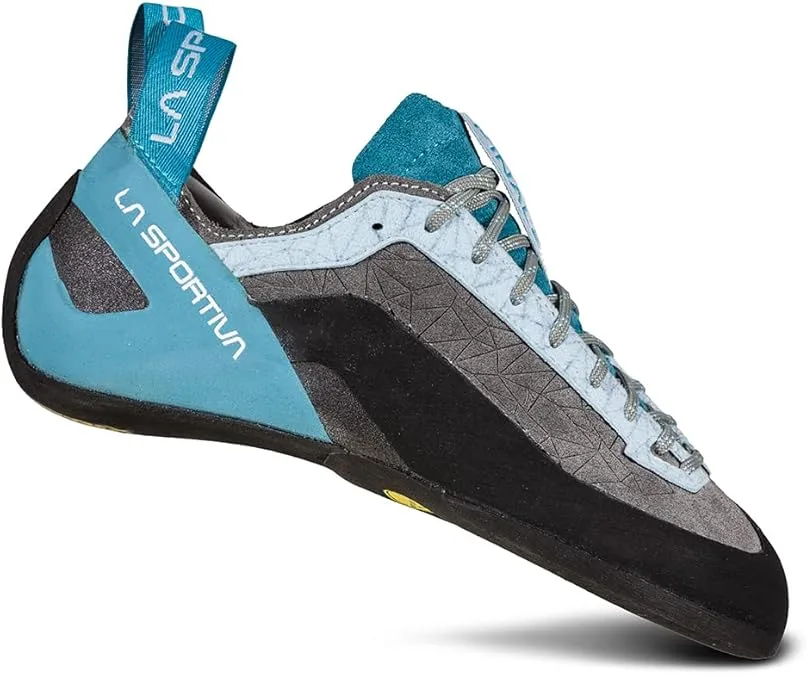
La Sportiva Finale – Women’s
Specifications
- Closure system: Lace-up
- Upper material: Leather
- Midsole: Medium stiffness
- Outsole rubber: Vibram XS Edge
- Shoe profile: Neutral to slightly flat
- Best use: Beginner climbing, gym sessions, moderate routes
REASONS TO BUY
- Very comfortable for long sessions
- Supportive platform for learning footwork
- Adjustable lace-up fit
- Durable rubber for frequent use
REASONS TO AVOID
- Less sensitivity than aggressive shoes
- Not ideal for steep overhangs
The La Sportiva Finale is one of the best climbing shoes for women who are just starting or who want a comfortable, dependable option for long climbing sessions. During testing, the Finale stood out for its relaxed fit and supportive feel, making it easy to wear for hours without discomfort. It provides enough structure to help beginners learn proper foot placement while avoiding the pain often associated with aggressive shoes.
Unlike heavily downturned models, the Finale uses a flatter profile that keeps the foot in a more natural position. This makes it easier to stand on footholds, maintain balance, and focus on technique rather than foot fatigue. The lace-up closure allows for fine-tuning the fit, which is especially helpful for climbers with narrow or low-volume feet. Whether used in the gym or on moderate outdoor routes, the Finale feels stable and predictable.
For new climbers or those looking for a budget-friendly yet high-quality shoe, the Finale offers excellent value. It may not be the most sensitive or aggressive option, but it excels at what beginners need most: comfort, control, and durability.
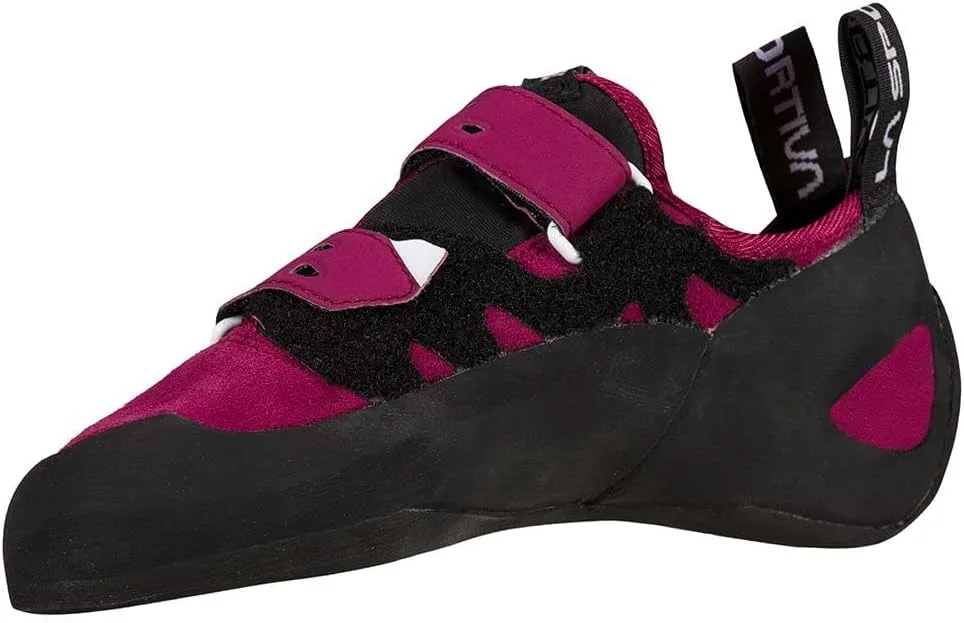
La Sportiva Women’s Tarantula
Specifications
- Closure system: Hook and loop
- Upper material: Synthetic
- Midsole: Soft to medium stiffness
- Outsole rubber: FriXion rubber
- Shoe profile: Neutral and flat
- Best use: Gym climbing, beginners, casual outdoor use
REASONS TO BUY
- Comfortable right out of the box
- Easy to put on and take off
- Forgiving fit for new climbers
- Affordable and durable
REASONS TO AVOID
- Limited precision on small footholds
- Not suitable for aggressive climbing styles
The La Sportiva Women’s Tarantula is a popular choice for beginner climbers who want a comfortable and easy-to-use shoe for gym climbing and casual outdoor sessions. During testing, the Tarantula impressed with its soft, forgiving feel and minimal break-in time. It is the kind of shoe you can put on and climb in right away without dealing with pressure points or discomfort.
The flat profile and flexible construction make the Tarantula especially friendly for new climbers who are still developing foot strength and technique. The hook-and-loop closure system allows for quick adjustments between climbs, which is ideal for gym sessions where shoes come on and off frequently. While it does not offer the precision or power of more aggressive models, it provides enough support and traction for learning the basics of edging and smearing.
For women who are new to climbing or looking for an affordable, low-stress option, the Tarantula delivers reliable performance. It is not designed for steep overhangs or advanced techniques, but it excels as a comfortable training shoe that helps build confidence on the wall.
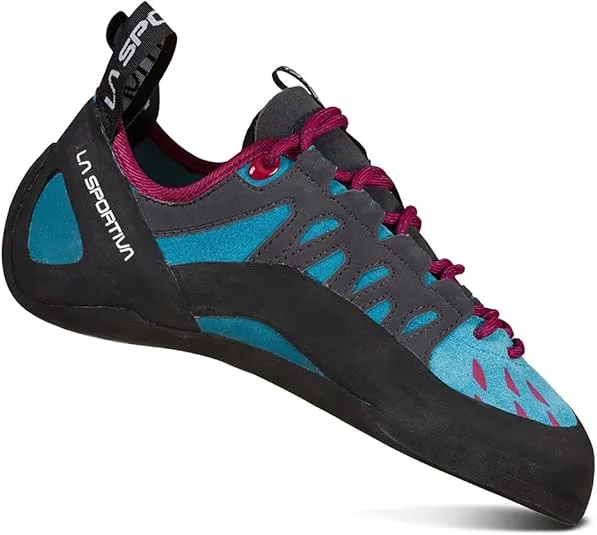
La Sportiva Women’s Tarantulace Rock Climbing Shoes
Specifications
- Closure system: Lace-up
- Upper material: Synthetic
- Midsole: Medium stiffness
- Outsole rubber: FriXion rubber
- Shoe profile: Neutral and flat
- Best use: Beginner to intermediate climbing, gym, and slab routes
REASONS TO BUY
- Adjustable lace-up fit for better control
- Comfortable for long climbing sessions
- Stable platform for learning techniques
- Good durability for frequent use
REASONS TO AVOID
- Less aggressive for steep climbing
- Not ideal for advanced bouldering
The La Sportiva Women’s Tarantulace is a step up from the standard Tarantula for climbers who want a more adjustable and secure fit without moving into aggressive territory. During testing, the Tarantulace stood out for its comfortable feel combined with better foot control, especially on longer routes and slab climbs. It remains friendly for beginners while offering enough structure to support improving technique.
The lace-up closure is the key difference here, allowing climbers to fine-tune the fit across the entire foot. This makes the Tarantulace a strong option for women with narrow or low-volume feet who struggle to get a snug fit from hook-and-loop shoes. The neutral shape keeps the foot in a natural position, reducing fatigue during long gym sessions or multi-pitch days.
For climbers who are progressing beyond their first pair of shoes but still want comfort and reliability, the Tarantulace is a solid choice. It may not excel on steep or highly technical terrain, but it performs consistently on gym walls, slabs, and moderate outdoor routes.
Best for Bouldering & Steep Climbing
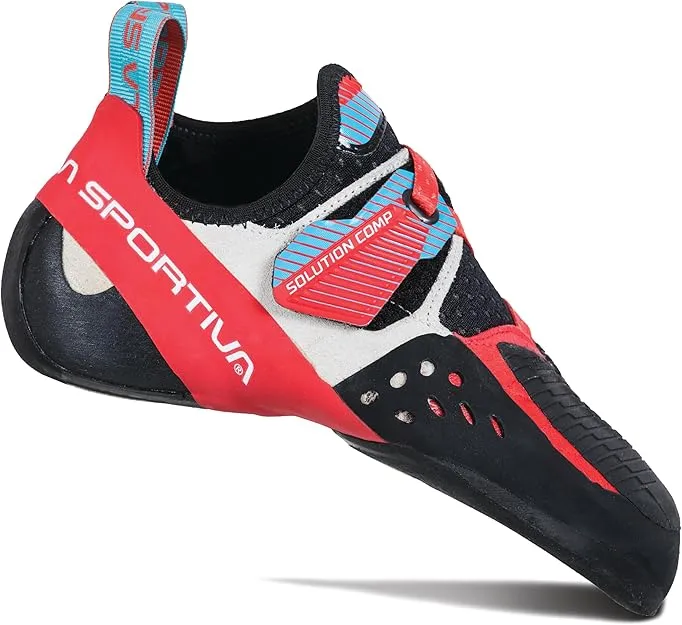
La Sportiva Solution Comp – Women’s
Specifications
- Closure system: Hook and loop
- Upper material: Microfiber
- Midsole: Minimal for high sensitivity
- Outsole rubber: Vibram XS Grip 2
- Shoe profile: Aggressive and highly downturned
- Best use: Bouldering, competition climbing, steep sport routes
REASONS TO BUY
- Excellent toe sensitivity and power
- Outstanding heel and toe hooking
- Performs extremely well on steep terrain
- High level of precision and control
REASONS TO AVOID
- Less comfortable for long sessions
- Not ideal for crack climbing
The La Sportiva Solution Comp is designed specifically for powerful movement on steep terrain, making it a favorite among advanced boulderers and competition climbers. During testing, this shoe stood out for its precision and sensitivity, especially on overhangs, volumes, and dynamic problems. It feels noticeably more aggressive than beginner models, with a strong focus on toe power and close contact with the wall.
What sets the Solution Comp apart is its ability to deliver maximum performance without completely sacrificing comfort. The softer construction allows the shoe to mold to the foot, providing excellent feedback when smearing or pulling with the toes. The heel and toe rubber coverage makes hooking feel secure and controlled, which is critical for modern bouldering problems that rely heavily on body tension and foot engagement.
For climbers who spend most of their time bouldering or working steep sport routes, the Solution Comp is a top-tier choice. It is not intended for long, relaxed sessions or crack climbing, but when it comes to demanding moves and technical footwork on steep angles, this shoe excels.
Best for Technical Cracks
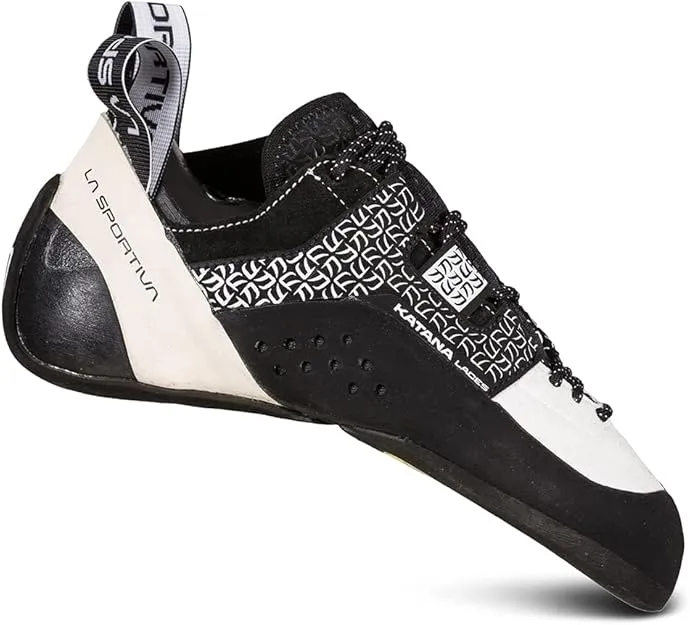
La Sportiva Katana Lace – Women’s
Specifications
- Closure system: Lace-up
- Upper material: Leather
- Midsole: Stiff for support and edging
- Outsole rubber: Vibram XS Edge
- Shoe profile: Moderately downturned
- Best use: Technical face climbing, crack climbing, trad routes
REASONS TO BUY
- Outstanding edging precision
- Secure and adjustable lace-up fit
- Comfortable for long outdoor climbs
- Excellent performance in cracks
REASONS TO AVOID
- Less sensitivity than softer shoes
- Not ideal for steep bouldering
The La Sportiva Katana Lace is a precision-focused climbing shoe built for technical face climbing and crack routes. During testing, it proved especially reliable on small footholds, edging-heavy terrain, and long outdoor climbs where support and stability matter more than extreme sensitivity. Compared to softer, more aggressive shoes, the Katana Lace feels structured and controlled, giving climbers confidence on thin, technical sequences.
The lace-up design allows for a very secure and customizable fit, which is particularly useful for crack climbing where pressure is applied across the entire foot. The stiffer midsole helps distribute weight evenly, reducing foot fatigue on long pitches. While it is not as soft or flexible as bouldering shoes, this stiffness translates into excellent edging performance and durability on demanding rock.
For climbers who spend time on trad routes, vertical sport climbs, or technical face terrain, the Katana Lace is an excellent choice. It prioritizes precision and support over softness, making it better suited for controlled climbing rather than dynamic, steep movement.
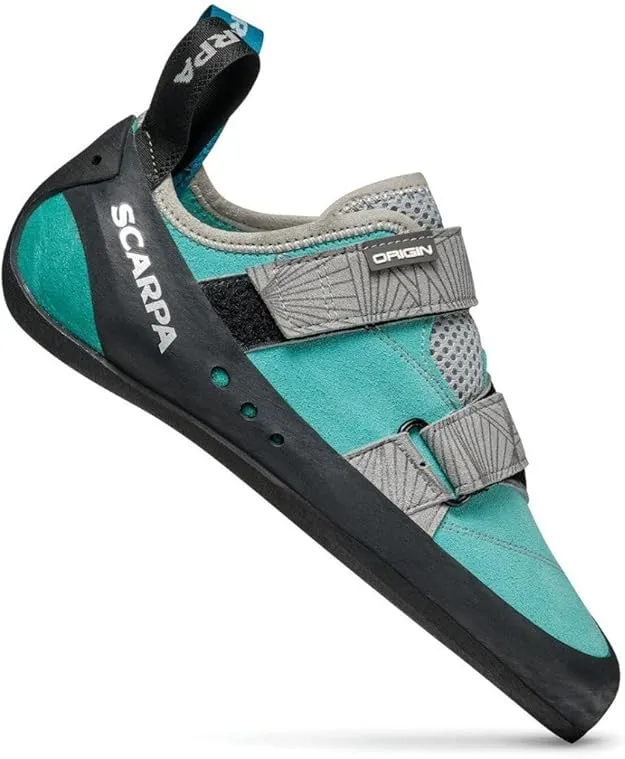
SCARPA Women’s Origin Rock Climbing Shoes
Specifications
- Closure system: Hook and loop
- Upper material: Synthetic
- Midsole: Supportive and moderately stiff
- Outsole rubber: Vision rubber
- Shoe profile: Neutral and flat
- Best use: Beginner climbing, gym sessions, casual outdoor routes
REASONS TO BUY
- Very comfortable for long sessions
- Easy to put on and remove
- Supportive platform for beginners
- Affordable and durable
REASONS TO AVOID
- Limited sensitivity for advanced climbing
- Not designed for steep
The SCARPA Women’s Origin is a comfort-focused climbing shoe designed for beginners and climbers who spend long hours in the gym. During testing, the Origin stood out for its relaxed fit and supportive feel, making it easy to wear for extended sessions without foot fatigue. The flat profile helps keep the foot in a natural position, which is especially helpful for climbers who are still building foot strength and technique.
This shoe offers a good balance between comfort and performance for entry-level climbing. The supportive midsole provides stability on footholds, while the sticky rubber delivers dependable traction on gym holds and moderate outdoor routes. The hook-and-loop closure system makes it quick to put on and take off, which is ideal for gym training or climbing classes.
For women who want an affordable, no-nonsense climbing shoe that prioritizes comfort and durability, the SCARPA Origin is a solid option. It may not be the most sensitive or aggressive shoe on the market, but it performs consistently and helps build confidence on the wall.
How We Tested the Best Climbing Shoes for Women
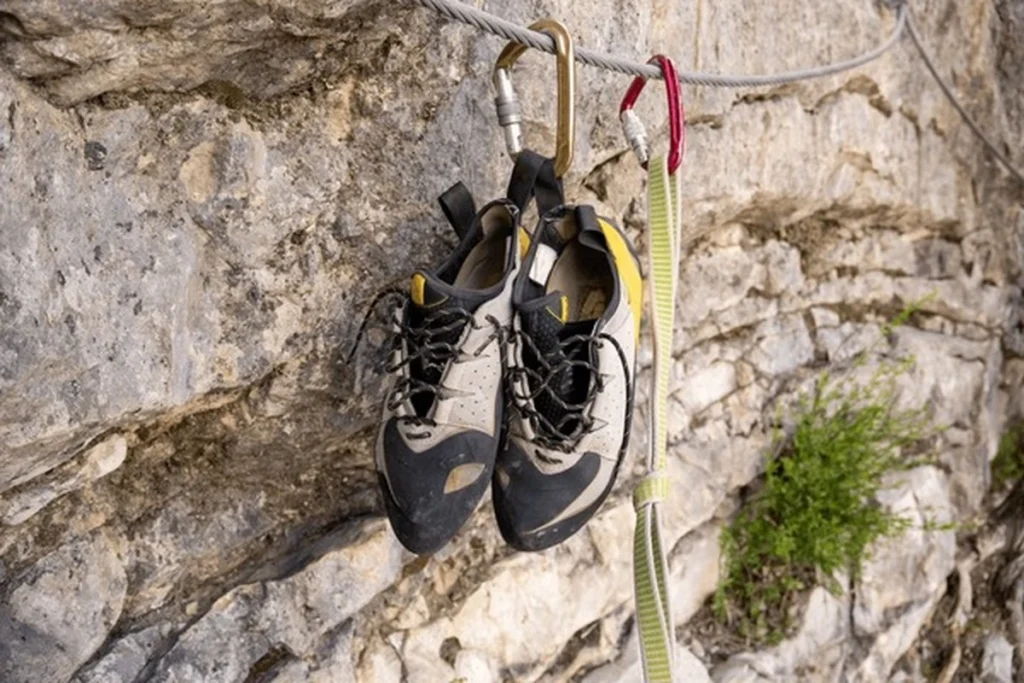
We tested each woman’s climbing shoe in real gym and outdoor conditions to see how it performed beyond specs and marketing claims. Every model was worn by multiple climbers across different climbing styles, including bouldering, sport, and technical routes.
Each shoe was evaluated using five key performance metrics: comfort during long sessions, edging on small footholds, smearing on slabs and volumes, crack climbing support, and pulling power on steep terrain. This hands-on testing allowed us to fairly compare performance and select only the best climbing shoes for women.
Our testing process measures every climbing Shoe through five essential metrics:
- Comfort
- Edging
- Smearing
- Crack Climbing
- Pulling
Buyer’s Guide: How to Choose Women’s Climbing Shoes
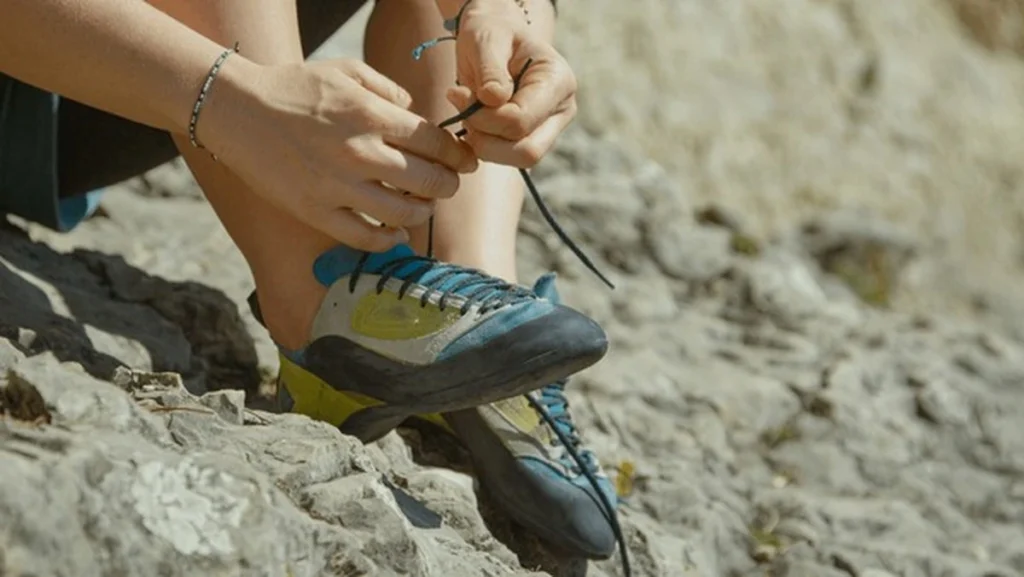
Choosing the right women’s climbing shoes is about more than just sizing down or picking the most aggressive-looking model. The right pair should match your climbing style, foot shape, and comfort needs while still supporting good technique. Understanding the key differences in materials, fit, and construction will help you make a smarter choice and get better performance on the wall.
Identify Your Climbing Style
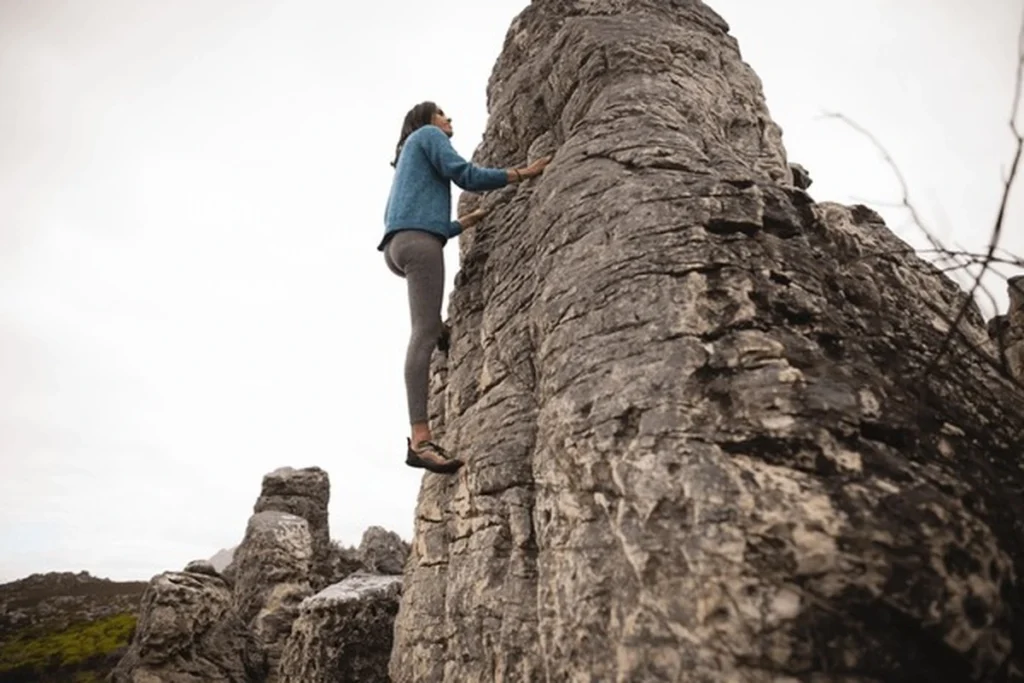
Your climbing style plays the biggest role in determining which type of shoe will work best for you. If you primarily climb indoors or are just starting, a neutral or slightly downturned shoe offers better comfort and support while you develop footwork and balance. Boulderers and sport climbers who spend time on steep or overhanging routes often benefit from more aggressive shoes that provide strong toe power and precision. For trad and crack climbing, climbers usually prefer stiffer shoes with secure fits that can handle sustained pressure and long days on the rock.
Leather vs Synthetic
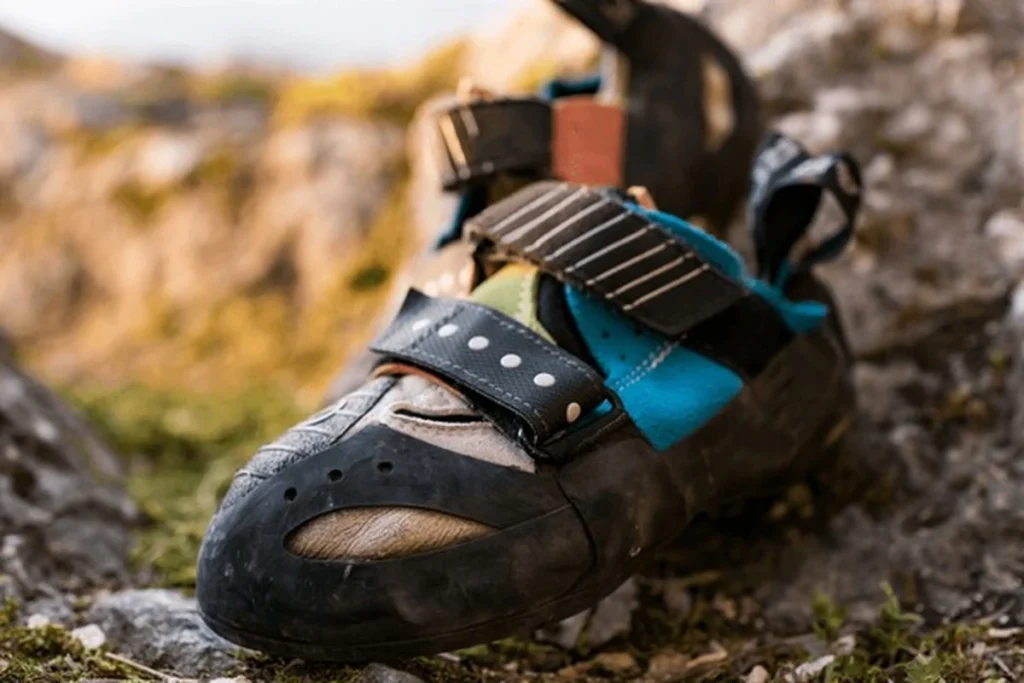
The material of a climbing shoe affects how it fits over time. Leather shoes tend to stretch and mold to the shape of your foot, which can increase comfort after a break-in period but may require sizing down slightly at first. Synthetic shoes stretch very little, making them easier to size correctly right out of the box and better at holding their shape over time. Climbers who value comfort often lean toward leather, while those who want a consistent fit and lower maintenance may prefer synthetic materials.
Shoe Shape and Fit
A proper fit is critical for both comfort and performance. Climbing shoes should feel snug without painful pressure points, and there should be no dead space in the heel or toe box. The overall shape of the shoe should match your foot type, whether you have narrow, wide, or low-volume feet. A well-fitting shoe improves control on footholds, reduces foot fatigue, and helps you trust your feet on technical climbs.
Soft vs Stiff
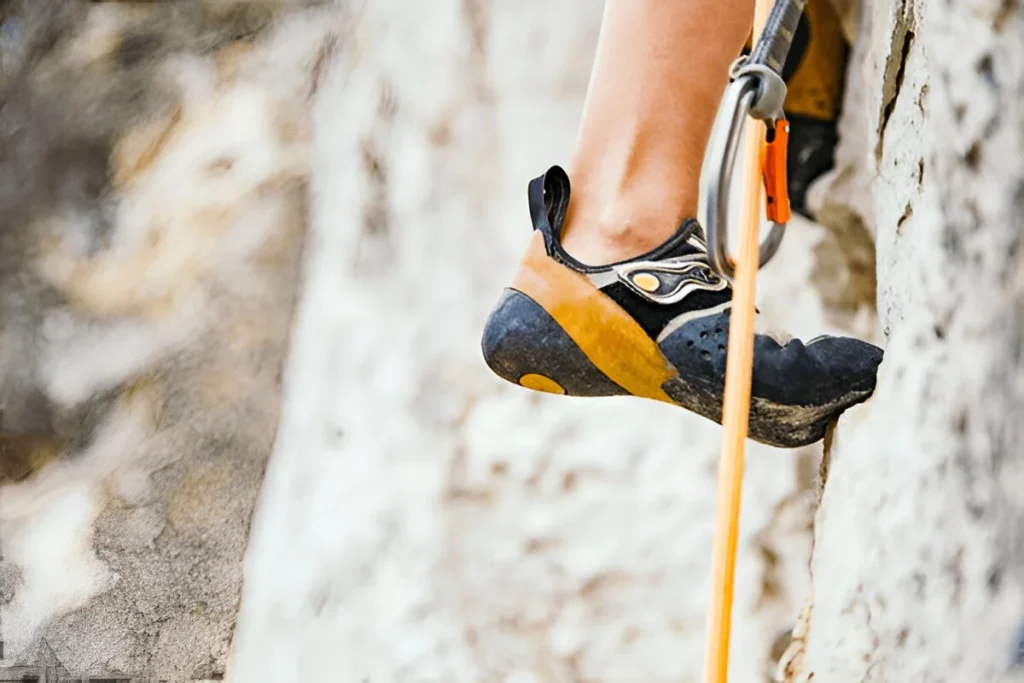
The stiffness of a climbing shoe affects how it performs on different types of terrain. Soft shoes are more sensitive and flexible, making them ideal for smearing, volumes, and modern bouldering where feel is important. Stiffer shoes provide better support on small edges and are often more comfortable for longer routes because they reduce strain on the foot. Beginners usually benefit from slightly stiffer shoes, while experienced climbers may prefer softer models for precision and feedback.
Women’s-Specific Shoes
Women’s climbing shoes are designed to better match common female foot shapes, with narrower heels, lower overall volume, and adjusted toe boxes. These design changes help reduce dead space and pressure points, resulting in a more secure and comfortable fit. Choosing women’s specific shoes often leads to better performance and comfort than simply downsizing men’s models, especially for climbers with narrower feet.
Why You Trust Outdoor Searcher
Outdoor Searcher is built around real-world testing, honest evaluations, and clear advice you can actually use. Every product featured in our guides is researched, tested, and compared in practical conditions rather than chosen from spec sheets or brand claims. Our goal is to help readers make confident decisions based on performance, comfort, and value, not marketing hype.
We test gear across different environments and use cases, working with climbers of varying experience levels to ensure balanced feedback. Products that do not meet our standards for fit, durability, or performance are removed from consideration. This careful selection process allows us to recommend only gear that consistently performs well.
Most importantly, our reviews are written for climbers, not advertisers. We focus on transparency, clear explanations, and real pros and cons so you can choose the right gear for your needs. When you trust Outdoor Searcher, you’re getting straightforward guidance backed by hands-on experience.
Performance Analysis and Test Results:
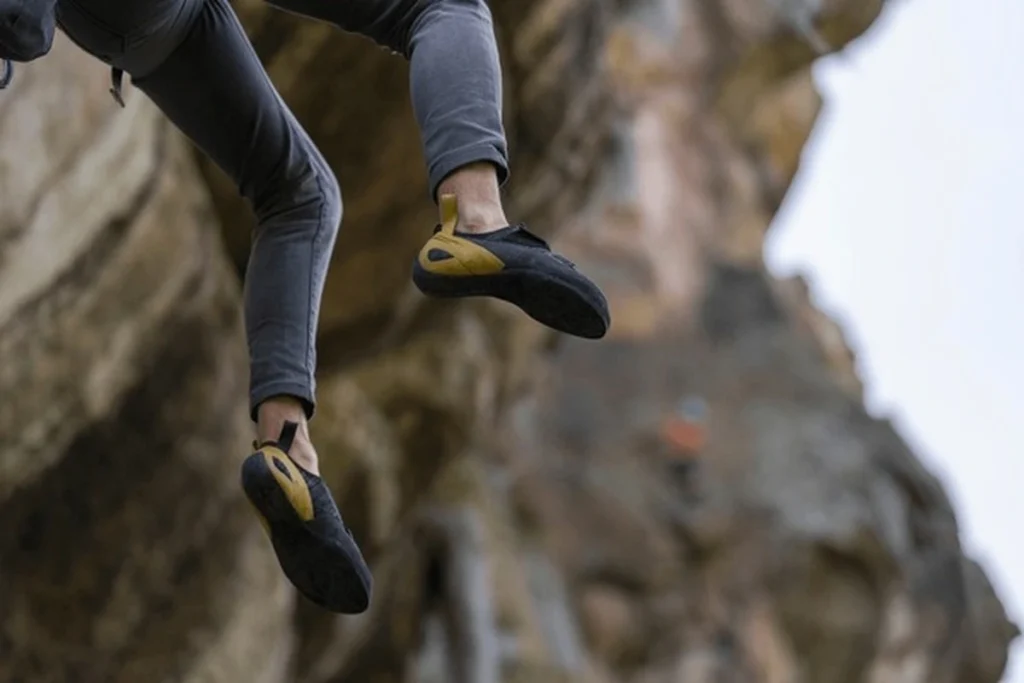
Each climbing shoe in this guide was evaluated using consistent testing methods to understand how it performs in real climbing situations. Rather than focusing on one style of climbing, we assessed every shoe across multiple disciplines to see where it excelled and where it fell short. This performance analysis highlights the strengths of each model and helps climbers choose based on their specific needs.
Comfort
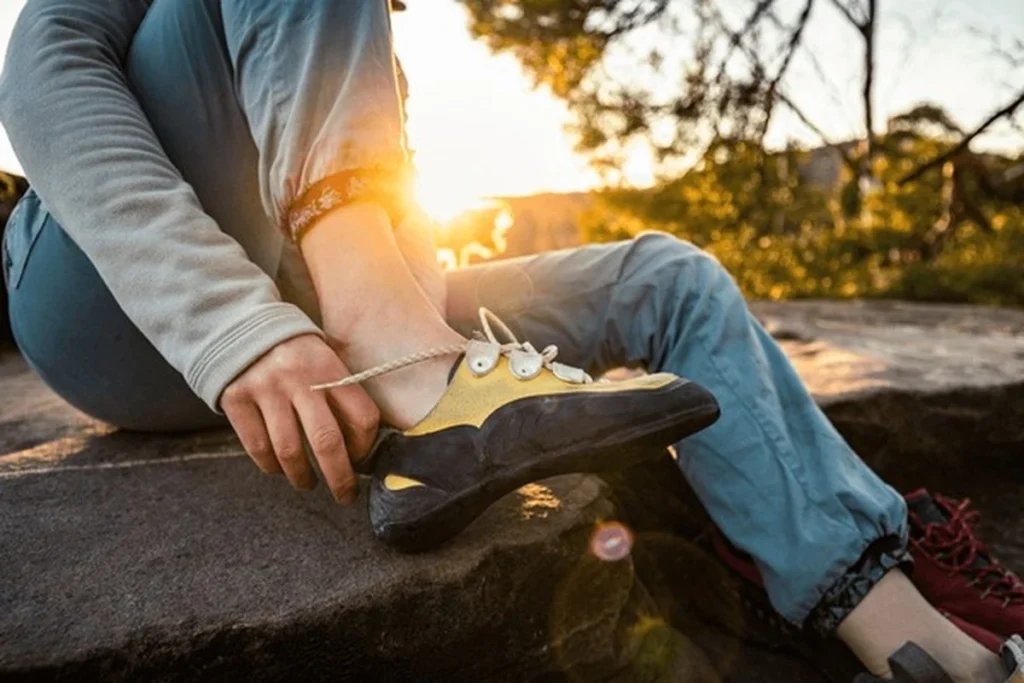
Comfort was tested by wearing each shoe during long climbing sessions and repeated routes to see how it felt over time. Shoes with neutral or moderately aggressive profiles generally provided better comfort, especially for gym climbing and longer outdoor days. We paid close attention to pressure points, heel fit, and how evenly the weight was distributed across the foot. Shoes that balanced snugness with flexibility performed best, while overly aggressive or poorly shaped shoes caused faster fatigue.
Edging
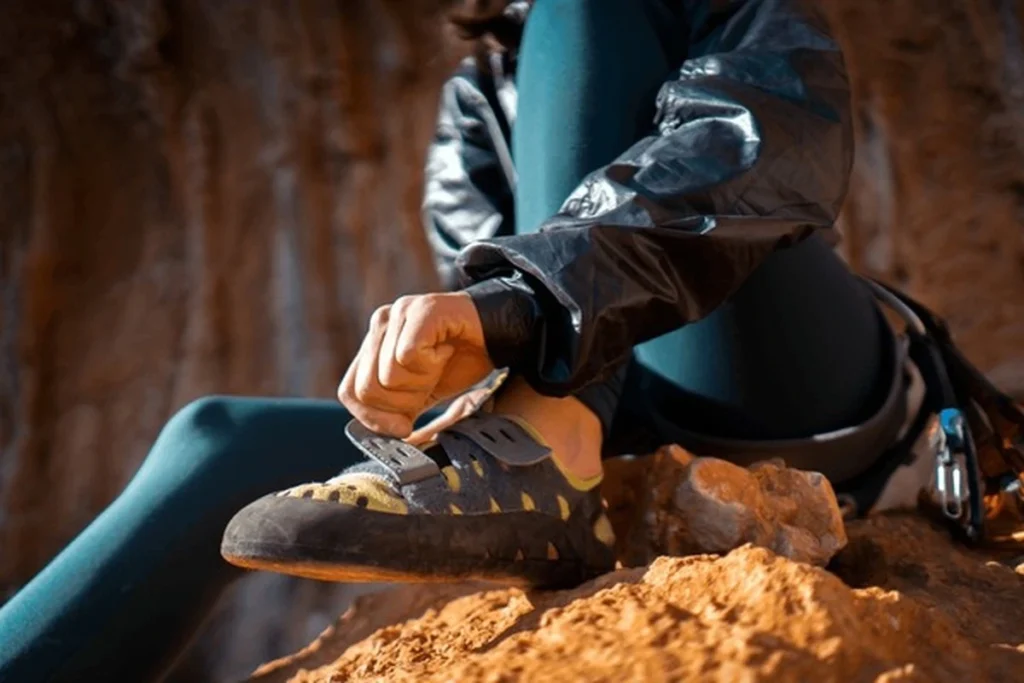
Edging performance was evaluated on small footholds and technical routes where precision is critical. Shoes with stiffer midsoles and supportive construction delivered the most confidence on thin edges, allowing climbers to stand securely without excessive foot strain. While softer shoes offered better sensitivity, they sometimes lacked the support needed for prolonged edging. Models designed with a balance of stiffness and precision consistently performed well in this category.
Smearing
Smearing ability was tested on slabs, volumes, and smooth surfaces where maximum contact with the wall is essential. Softer shoes with flexible soles allowed better weight transfer and improved surface contact, making them more effective for smearing. Sensitivity played a major role here, as climbers needed to feel subtle changes in the wall. Shoes with rigid construction struggled in this area, especially on modern indoor routes.
Crack Climbing
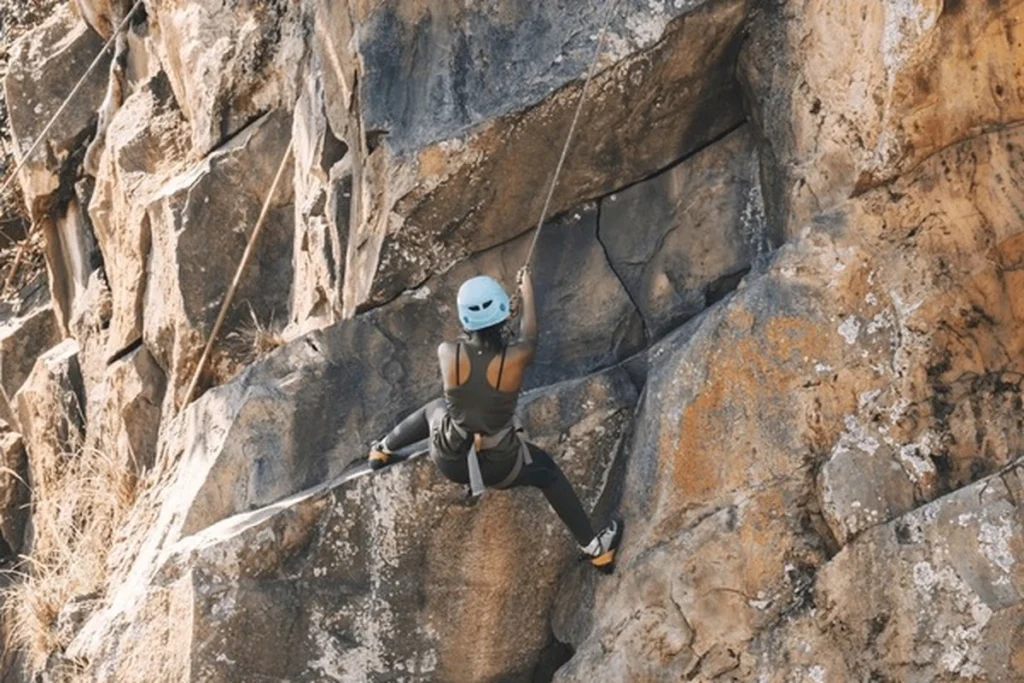
Crack climbing performance focused on comfort, stability, and pressure distribution when feet were placed into cracks. Lace-up shoes with flatter profiles and stiffer builds performed best, as they reduced discomfort and allowed for secure foot jams. Aggressive and soft shoes tended to feel uncomfortable in cracks and lost stability under pressure. Shoes that maintained their shape and offered consistent support ranked highest for this metric.
Pulling
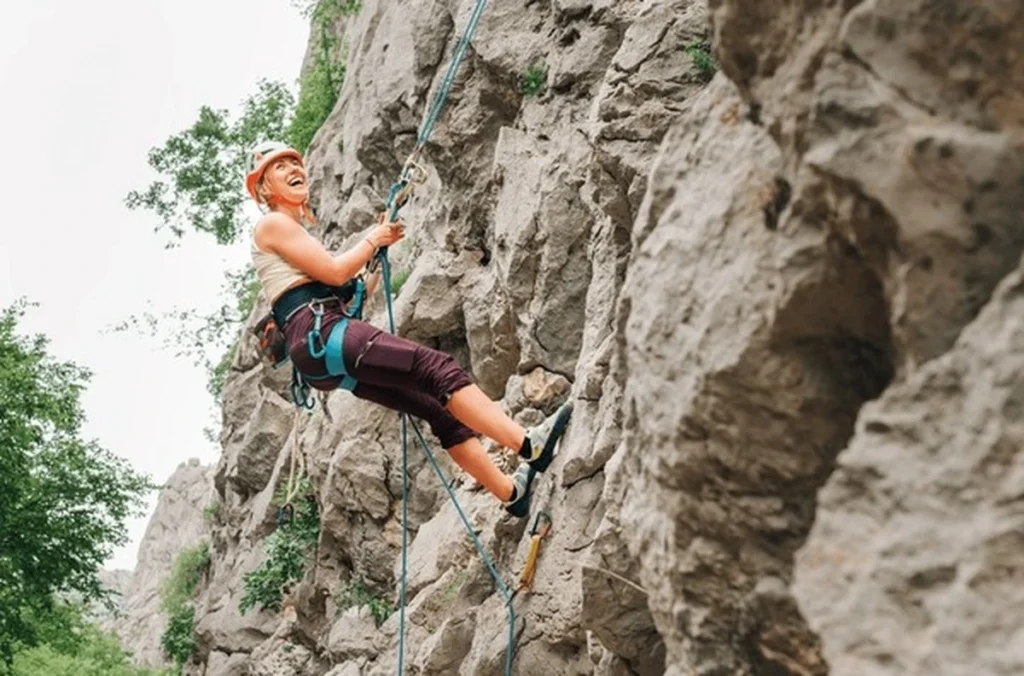
Pulling power was assessed on steep and overhanging routes where climbers rely heavily on toe strength and body tension. Aggressive, downturned shoes with strong toe boxes excelled in this category, allowing climbers to pull effectively with their feet. Sticky rubber and good shoe tension played a key role in maintaining control during powerful moves. Less aggressive shoes struggled to provide the same level of precision and power on steep terrain.
Conclusion
Choosing the best climbing shoes for women comes down to finding the right balance between comfort, fit, and performance for your climbing style. Throughout our testing, it became clear that no single shoe is perfect for every climber or every route. Beginners benefit most from comfortable, supportive shoes that help build technique, while more experienced climbers often prefer aggressive models that offer greater precision and power on steep terrain.
By testing a wide range of shoes across gym climbing, bouldering, sport routes, and technical climbs, we identified models that consistently delivered reliable performance. From beginner-friendly options to high-performance shoes designed for advanced movement, the shoes featured in this guide represent the best choices available based on real-world use rather than marketing claims.
Ultimately, the right climbing shoe should feel secure, supportive, and confidence-inspiring on your foot. Taking the time to understand your climbing needs and foot shape will help you choose a shoe that not only improves performance but also makes every climb more enjoyable.
FAQs
Do women need women’s women-specific climbing shoes?
Women’s specific climbing shoes are designed to better match common female foot shapes, including narrower heels, lower volume, and different toe box proportions. These design adjustments help reduce dead space and pressure points, leading to improved comfort and control. While some women can fit well in men’s or unisex shoes, many find that women’s specific models provide a more secure and comfortable fit, especially during longer climbing sessions.
How tight should climbing shoes be for women?
Climbing shoes should fit snugly without causing sharp pain or numbness. Your toes should be slightly curled, and there should be no empty space in the heel or toe box. For beginners, a slightly more relaxed fit is recommended to allow longer sessions and focus on technique. Advanced climbers may choose a tighter fit for precision, but shoes should never feel unbearable or restrict circulation.
Are aggressive climbing shoes good for beginners?
Aggressive climbing shoes are generally not ideal for beginners. While they offer excellent toe power for steep routes, they can be uncomfortable and make it harder to learn proper foot placement. Beginners typically benefit more from neutral or moderately downturned shoes that provide comfort, support, and stability while developing climbing skills.
How long do women’s climbing shoes last?
The lifespan of climbing shoes depends on how often you climb, your technique, and the type of rubber. For regular climbers, shoes typically last six to twelve months before the rubber wears down. Beginners may wear through shoes faster due to less precise footwork. Many high-quality climbing shoes can be resoled, which extends their life and saves money over time.
Should I choose leather or synthetic climbing shoes?
Leather climbing shoes tend to stretch and mold to your foot over time, making them more comfortable after a break-in period. Synthetic shoes stretch very little and maintain their original shape, which makes sizing easier and more predictable. If comfort is your priority, leather may be the better option, while synthetic shoes are ideal for climbers who want a consistent fit.
Can I use one pair of climbing shoes for all types of climbing?
While it is possible to use one pair of shoes for multiple styles, no single shoe excels at everything. Neutral shoes work well for gym climbing and long sessions, while aggressive shoes perform better on steep and technical routes. Many climbers eventually own more than one pair to match different climbing styles, but choosing a versatile model is a good starting point.