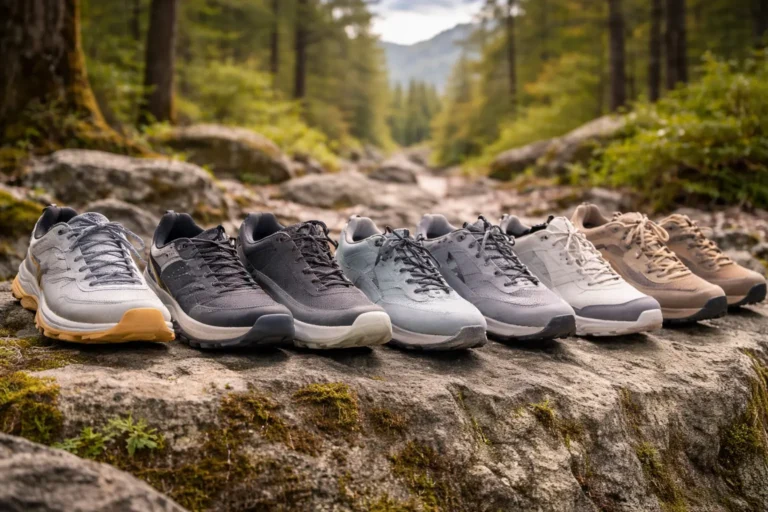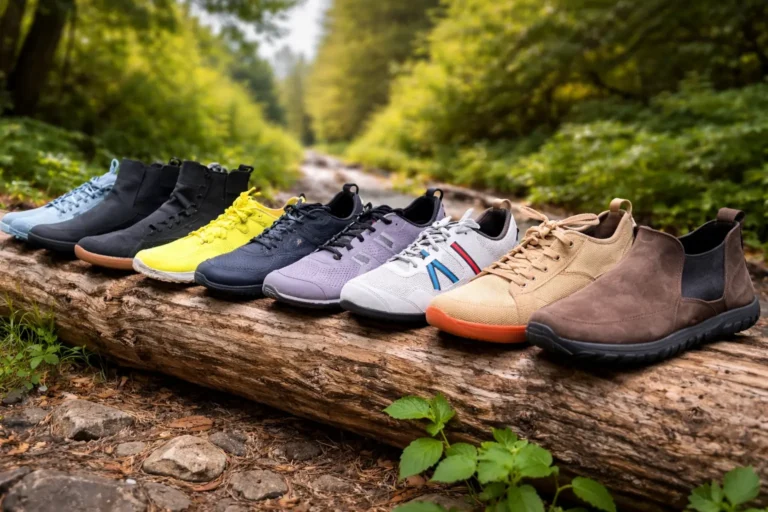
Finding the best trail running shoes for men is not as easy as wearing your normal road running shoes and going into the forest. Trail paths are not smooth or flat. One part of the trail may be dry and easy, and the next part may have loose stones, tree roots, mud, or sharp rocks. If you wear the wrong shoes, your feet can feel tired, slip easily, or even get hurt. The right trail running shoe helps you feel stable and confident with every step.
This guide is for men who run on dirt tracks, forest paths, hills, or mixed terrain and want a shoe they can trust. Whether you are preparing for a trail race, running for fitness, or just exploring nearby trails, choosing the right pair makes a big difference. We will keep things simple and clear. We will focus on what truly matters: comfort, grip, protection, and durability.
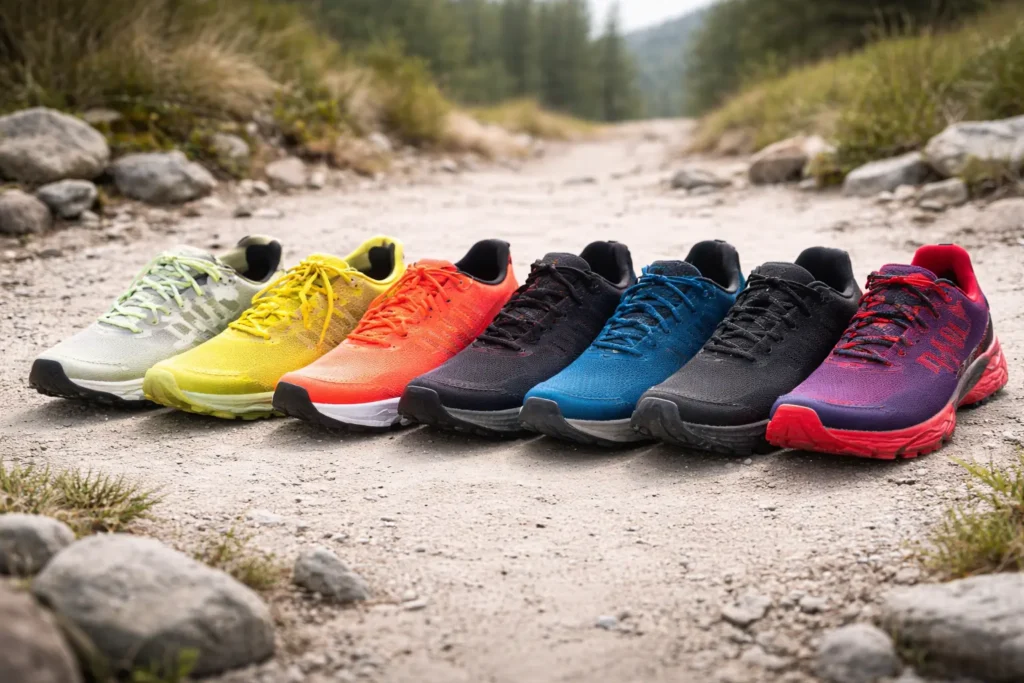
Trail running shoes are made differently from road shoes. They usually have stronger soles for better grip, tougher material on top to protect your feet, and more support for uneven ground. Some shoes are light and made for speed. Others are stronger and better for rocky or rough trails. The most important thing is to choose a shoe that matches your running style and the type of trail you use.
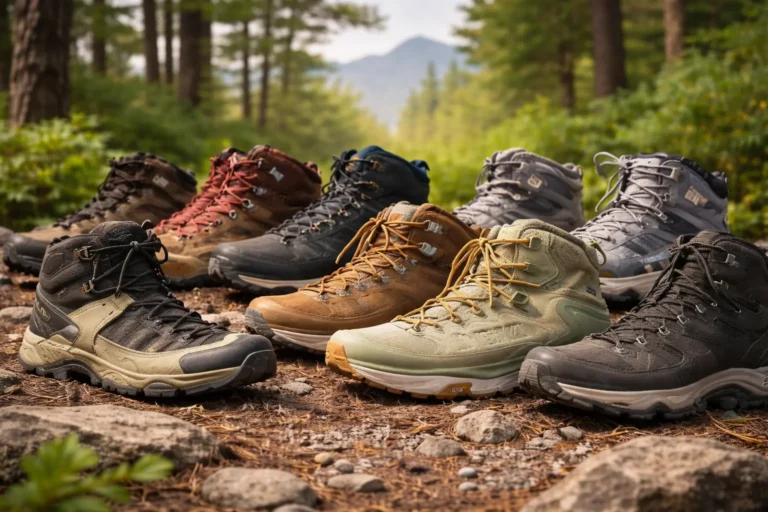
Below, you will find eight of the best trail running shoes for men based on comfort, traction, performance, and value. And if you plan to hike long distances or carry a heavy backpack, you may also think about using proper hiking shoes or boots for extra ankle support and protection.
Top Picks for Men’s Trail Running Shoes
Best Overall Trail Running Shoe for Men
Saucony Peregrine 15
Specifications
- Drop: 0 mm zero drop
- Weight: Approx. 9.3 oz men’s
- Upper: Breathable mesh
- Outsole: Vibram Eco Step rubber
- Toe Box: Wide and foot-shaped
- Best For: Trail running, walking, gym, everyday outdoor use
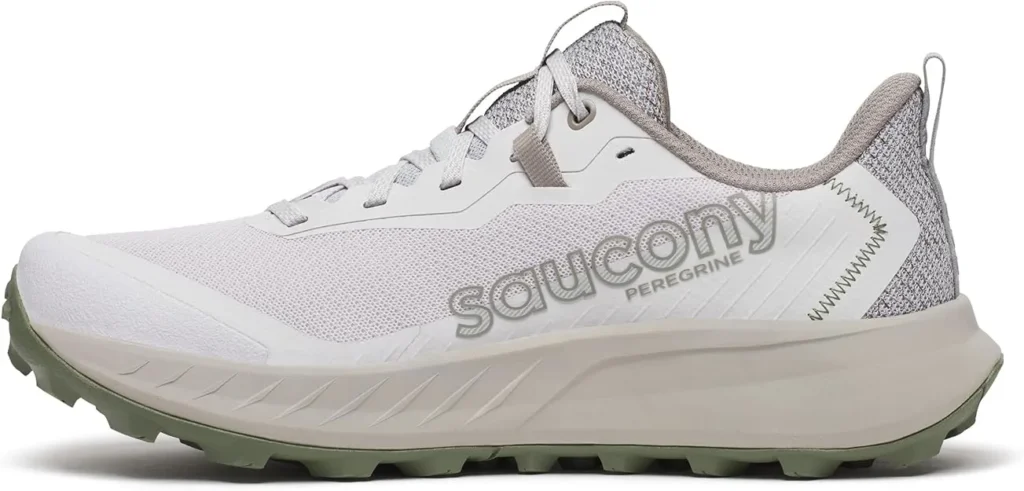
The Saucony Peregrine 15 stands out as one of the most well-rounded trail running shoes available today. It strikes an excellent balance between traction, cushioning, and stability, making it suitable for a wide range of trail conditions. Unlike ultra-soft trail shoes or overly aggressive mountain models, this one delivers dependable performance without feeling heavy or stiff. Whether you’re running on dirt paths, rocky climbs, or muddy sections, it provides a confident and controlled ride.
Pros
- Very reliable traction on mixed terrain
- Balanced cushioning for comfort and control
- Stable feel on uneven ground
- Breathable yet durable upper
- Lightweight for a versatile trail shoe
- Suitable for both beginners and experienced runners
Cons
- Not aggressive enough for deep mud or snow
- May feel slightly narrow for wide feet
What It Feels Like to Wear: Wearing the Peregrine 15 feels stable and balanced from the first step. The cushioning is soft enough for comfort but still responsive when you pick up speed. On rocky and uneven trails, the grip feels reliable and secure, helping you move confidently without slipping. It doesn’t feel bulky, and the snug upper keeps your foot locked in place, even on downhill sections.
Who Should Buy This Shoe: You should consider the Saucony Peregrine 15 if you want a dependable, all-purpose trail running shoe that performs well on different types of terrain. It’s ideal for runners who train regularly on trails and want a balance of comfort, grip, and stability without switching shoes for every run.
Who Should Avoid It: This shoe may not be the best option if you primarily run in deep mud or highly technical mountain terrain that requires more aggressive lugs. It may also not suit runners who prefer ultra-cushioned or wide-fitting trail shoes.
Final Verdict: Overall, the Saucony Peregrine 15 earns its place as the best overall trail running shoe for men thanks to its versatility and reliable performance. It combines comfort, grip, and durability in a lightweight package that works well for most trail conditions. If you’re looking for one trail shoe that can handle nearly everything, this is a strong and dependable choice.
Best Ultralight Trail Shoe
Nnormal Kjerag
Specifications
- Drop: Low (performance-oriented)
- Weight: Extremely lightweight
- Upper: Breathable engineered mesh
- Outsole: High-grip rubber
- Toe Box: Moderate fit
- Best For: Fast trail runs, racing, agility
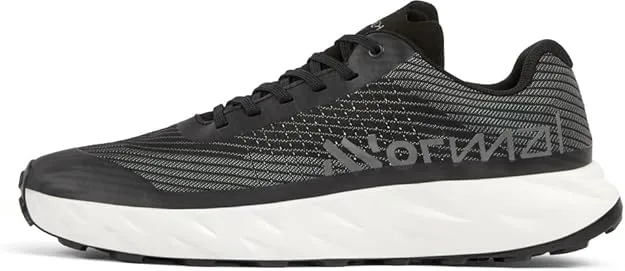
The Nnormal Kjerag stands out as one of the most ultralight trail running shoes designed for fast runners and performance seekers. It feels feather-light on your feet, yet holds up well enough for challenging terrain. While traditional trail shoes focus more on protection and cushioning, this model leans toward speed and responsiveness without feeling flimsy. If you want a shoe that keeps you moving quickly over dirt paths and rocky trails, this one delivers a smooth, fast feel.
Pros
- Very lightweight for fast running
- Quick and responsive ride
- Breathable upper keeps feet cool
- Good traction for light to moderate trails
- Snug and secure fit
- Great for tempo runs
Cons
- Less cushioning for long runs
- Not ideal for very rough or technical trails
What It Feels Like to Wear: Stepping into the Kjerag feels almost like wearing mid-distance trainers, but with a bit more grip underfoot. The instant impression is how light and free your foot feels. During shorter, quicker runs, it felt energetic and responsive, especially on flatter trails. I noticed that while it handles moderate trail surfaces well, it might feel less supportive on very rough, unstable ground.
Who Should Buy This Shoe: You should consider the Nnormal Kjerag if you enjoy fast trail runs, racing, or tempo workouts. It suits runners who want a performance-oriented feel and value minimal weight over heavy protection.
Who Should Avoid It: This shoe may not be suitable if you prefer more padding and protection, or if you mostly run on rough, rocky terrain that demands extra support.
Final Verdict: Overall, the Nnormal Kjerag is a top choice for runners who want an ultralight trail shoe that still provides solid traction and responsiveness. For speed, agility, and performance on less technical trails, this shoe delivers a lively, energetic feel without weighing you down. Its minimal design is perfect for faster runs and training days when weight matters most.
Durable Trail Runners for Rugged Trails
La Sportiva Bushido III – Men’s
Specifications
- Drop: 6 mm
- Weight: Approx. 10.5 oz men’s
- Upper: Air mesh with reinforced overlays
- Outsole: FriXion XT V-Groove rubber
- Toe Box: Standard performance fit
- Best For: Technical trails, rocky terrain, mountain running
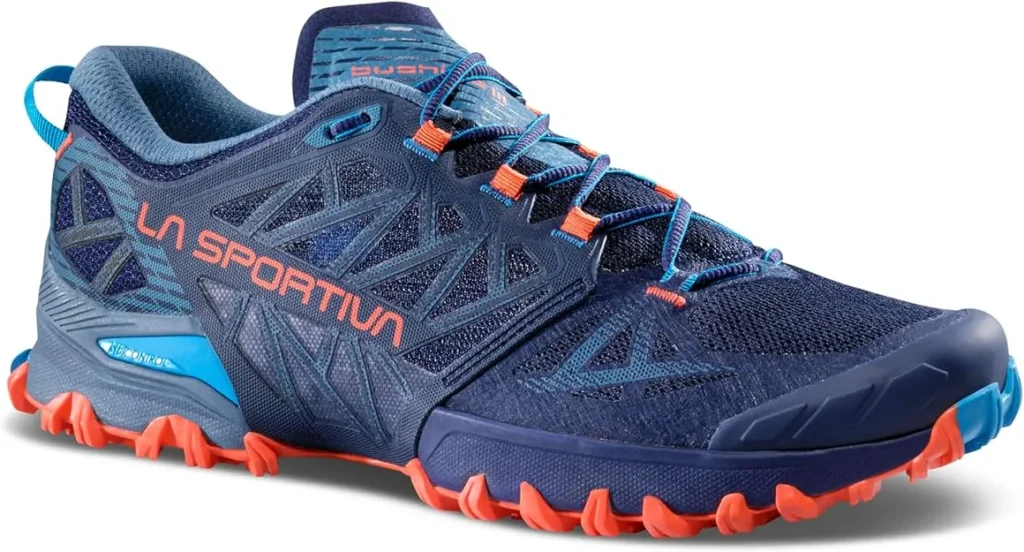
The La Sportiva Bushido III is designed for runners who regularly face rocky, uneven, and steep terrain. This is not a soft, casual trail shoe. It is built for control, durability, and grip in demanding outdoor conditions. The updated version improves comfort slightly while keeping the strong, stable structure that Bushido is known for. If you spend most of your time on technical mountain trails rather than smooth forest paths, this shoe makes a lot of sense.
Pros
- Excellent traction on rocky and technical trails
- Strong rock protection
- Very durable upper and outsole
- Stable platform for downhill running
- Secure midfoot lockdown
- Reliable performance in mountain terrain
Cons
- A firm ride may not suit runners who prefer soft cushioning
- Slightly narrow fit for wide feet
What It Feels Like to Wear: When you first wear the Bushido III, it feels structured and firm under your feet. Unlike soft trail shoes that feel bouncy, this one feels grounded and controlled. On rocky sections, I felt confident placing my steps because the outsole grips extremely well and the midsole does not twist easily. The rock plate adds protection, so sharp stones do not press into your feet.
Who Should Buy This Shoe: The La Sportiva Bushido III is ideal for runners who regularly tackle mountain trails, rocky paths, and technical terrain. If you want a shoe that feels stable and protective rather than soft and bouncy, this is a strong option. It is also a good choice for trail runners who need dependable grip and durability for long-term use.
Who Should Avoid It: If you mainly run on flat dirt trails or prefer soft, cushioned shoes for comfort, this may not be the best fit. Beginners who are new to trail running might also find it slightly stiff during the first few runs.
Final Verdict: The La Sportiva Bushido III is built for serious trail conditions. It focuses on grip, protection, and stability rather than softness. For runners who face rocky mountain terrain and need a durable, dependable shoe, this model delivers consistent performance. It may not be the most comfortable option for casual use, but on technical trails, it truly shines.
Best Zero Drop Trail Runner
Altra Lone Peak 9
Specifications
- Drop: 0 mm (Zero Drop)
- Weight: Around 10.2 oz (men’s)
- Upper: Quick-dry engineered mesh
- Outsole: MaxTrac rubber
- Toe Box: Extra wide, foot-shaped
- Best For: Natural stride trail runs, long days in nature
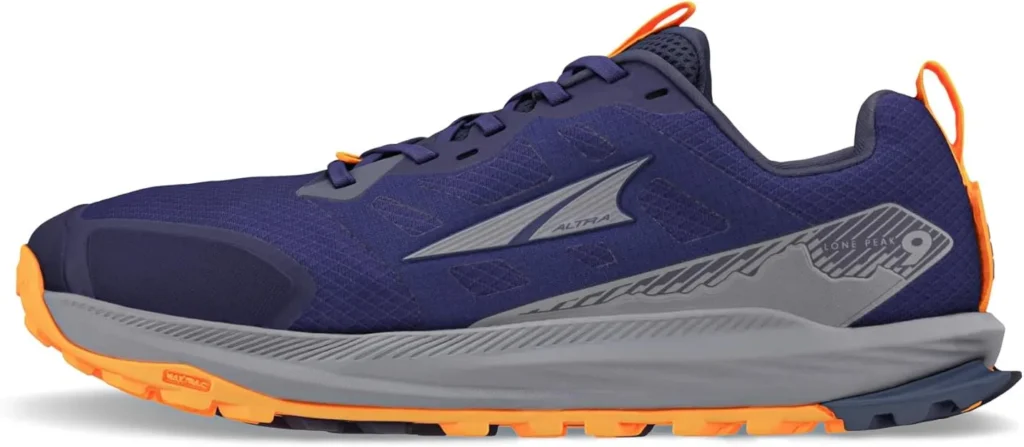
The Altra Lone Peak 9 is one of the most popular zero-drop trail running shoes because it encourages a natural foot position from heel to toe. Many runners choose it when they want a more grounded feel without sacrificing protection or grip. The shoe’s wide toe box gives your toes space to spread out naturally, which can help with balance and stability on uneven ground. If you enjoy long trail days where comfort and natural movement matter, this shoe fits that style perfectly.
Pros
- Spacious, wide toe box for natural foot movement
- Zero drop encourages a balanced stride
- Comfortable cushioning for long distances
- Lightweight yet protective
- Good grip on mixed trail surfaces
- Good breathability
Cons
- May feel unusual for runners new to zero drop
- Not the best choice for very technical, rocky terrain
What It Feels Like to Wear: Putting on the Lone Peak 9 feels different from most trail shoes right away. The zero drop means your heel and forefoot are at the same height, so it feels like you are standing flat on the trail. During longer runs on dirt paths and light rocky sections, I noticed my foot felt more relaxed and less pinched compared to traditional trail shoes. That wide toe box also helped prevent the cramped feeling that tight shoes sometimes give you. But if you are new to zero-drop shoes, it may take a couple of runs to adjust.
Who Should Buy This Shoe: You should consider the Altra Lone Peak 9 if you prefer a natural running style with zero drop design, enjoy longer trail runs, or need extra room in the toe box. It’s especially good for runners who want comfort and balance without losing connection to the ground.
Who Should Avoid It: This shoe may not be ideal if you are new to zero-drop footwear and prefer a more traditional cushioned trail shoe. It is also less suitable for highly technical, rocky trails where firmer support is needed.
Final Verdict: The Altra Lone Peak 9 brings a comfortable and natural feel to trail running, especially over longer distances and easier terrain. Its unique toe box and zero-drop platform make your foot feel at ease, though it may take a bit of adjustment for runners used to conventional shoes. If you appreciate a natural stride and comfort on varied trails, this shoe is a strong choice.
Best-Tractioned Trail Runner
Salomon Speedcross 6
Specifications
- Drop: Moderate trail drop
- Weight: Around 11.0 oz (men’s)
- Upper: Water-resistant mesh
- Outsole: Aggressive Chevron lugs
- Toe Box: Standard fit
- Best For: Muddy trails, soft and wet terrain
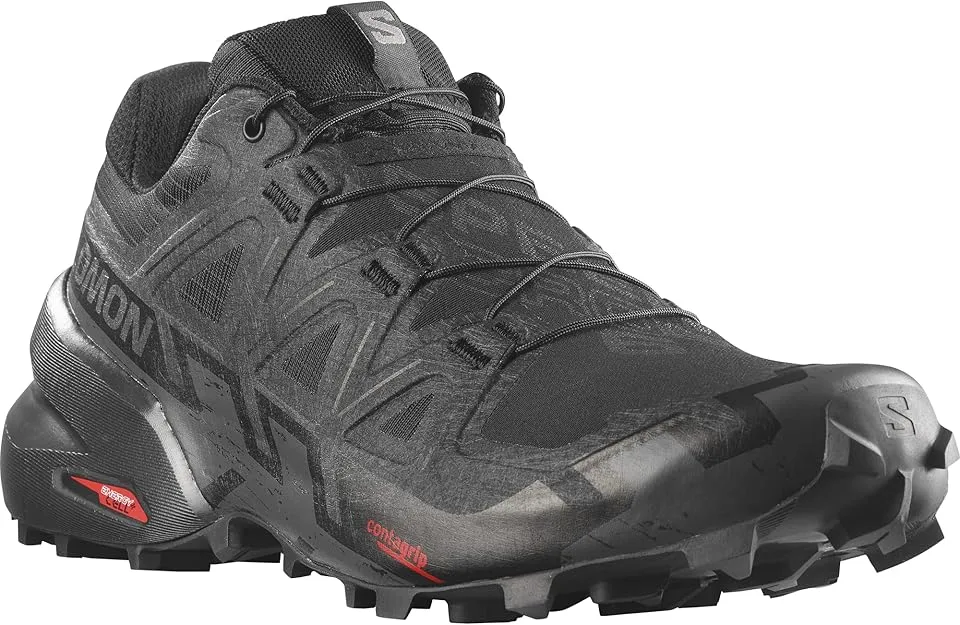
The Salomon Speedcross 6 is famous for having one of the most aggressive traction patterns of all trail running shoes. The deep lugs dig into mud and soft ground like claws, giving great confidence when footing is uncertain. This makes it a go-to choice for runners who frequently encounter wet or slippery trails and need maximum grip instead of minimal feel or lightweight performance.
Pros
- Outstanding grip on mud and wet trails
- Deep chevron lugs for aggressive traction
- Stable foothold on soft ground
- Water-resistant mesh helps shed moisture
- Durable outsole for rough use
- Confident performance in slippery conditions
Cons
- Less smooth on hard surfaces
- A narrower fit may feel tight for some
What It Feels Like to Wear: When you put on the Speedcross 6, the first thing you notice is how secure your feet feel on uneven or muddy surfaces. The sole bites into soft ground, so even when paths are wet or slippery, the shoe keeps you stable. On rocky or dry terrain, it still grips well but can feel a bit more “grabby” than expected. I noticed that on tight forest switchbacks and slippery creek crossings, this shoe kept me confident where others might slip. It’s not the cushiest shoe out there, but its traction is hard to match.
Who Should Buy This Shoe: You should consider the Salomon Speedcross 6 if most of your trail runs take place in muddy, soft, or wet environments where traction matters more than light weight or maximum cushioning.
Who Should Avoid It: This shoe might not be the best choice if you run mostly on dry gravel paths, paved sections, or require a wide toe box for comfort.
Final Verdict: Overall, the Salomon Speedcross 6 is one of the best trail running shoes for men when traction is your priority. It bites into mud and soft terrain with confidence, making it ideal for runners who spend time on unpredictable trails where grip can mean the difference between a fall and a safe run. While it might feel stiff or narrow for some, its traction performance remains top-tier.
Best Budget Trail Runners
Men’s HOKA Torrent 4
Specifications
- Drop: Moderate trail drop
- Weight: Around 9.5 oz (men’s)
- Upper: Lightweight engineered mesh
- Outsole: Multi-directional lugs
- Toe Box: Standard fit
- Best For: Everyday trail runs, mixed terrain, budget-friendly choice
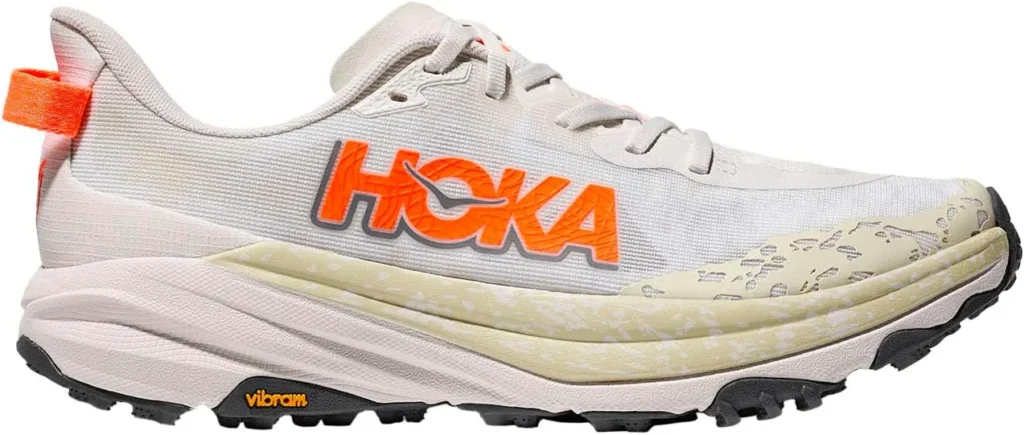
The HOKA Torrent 4 is one of the most versatile and value-packed trail running shoes you can find. It delivers strong performance without the high price tag that some advanced trail runners carry. It blends cushioning, grip, and responsiveness in a way that feels comfortable on a wide range of surfaces. If you want a solid trail runner without spending too much, this model offers a lot of performance for the cost.
Pros
- Excellent value for money
- Comfortable cushioning for longer runs
- Lightweight and responsive
- Good traction for varied terrain
- Breathable upper material
- Smooth ride for daily trail use
Cons
- Less protective on very rocky or technical terrain
- A standard toe box may not suit wide-foot runners
What It Feels Like to Wear: Stepping into the Torrent 4 feels surprisingly cushioned and soft right away. The lightweight feel doesn’t make it feel fragile; on the contrary, it feels lively and energetic. On dirt paths and light rocky areas, it feels smooth underfoot without jarring bumps. Over longer runs, the cushioning helps reduce foot fatigue, though it may lack extra protection on really rough, sharp terrain. For everyday trail workouts, this shoe feels comfortable and supportive.
Who Should Buy This Shoe: You should consider the HOKA Torrent 4 if you are a casual or intermediate trail runner who wants a comfortable shoe for daily trail runs at a reasonable price. It fits well for mixed terrain and shorter runs where cushioning and comfort are priorities.
Who Should Avoid It: This shoe might not suit you if you often run on very rugged terrain or require maximum foot protection and stability for long, tough mountain routes. It’s also less ideal for runners who prefer a very wide toe box.
Final Verdict: Overall, the Men’s HOKA Torrent 4 offers a strong mix of comfort, traction, and value. It performs well on everyday trails, light dirt paths, and moderate runs without costing a premium. If you want a budget-friendly trail shoe that still feels comfortable and reliable, this model is a smart pick.
Best trail runners with a natural foot shape
Ultraventure 4
Specifications
- Drop: Moderate trail drop
- Weight: Around 10.8 oz (men’s)
- Upper: Durable engineered mesh
- Outsole: Balanced lug pattern rubber
- Toe Box: Wide and comfortable
- Best For: Long trail runs, wide feet, natural comfort
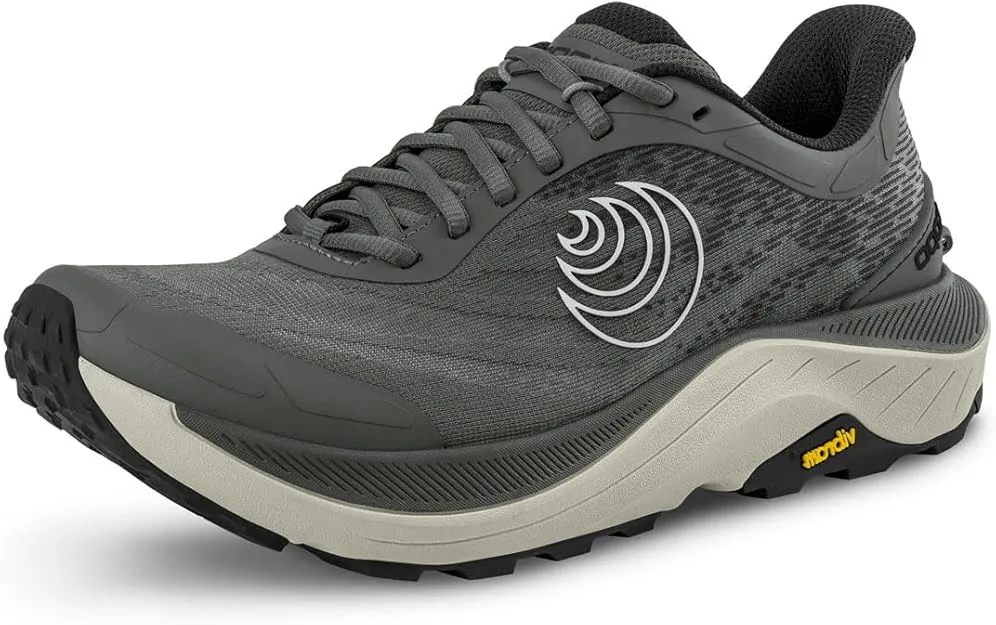
The Ultraventure 4 is designed for runners who want a comfortable trail shoe that doesn’t squish their toes together. It blends cushioning and stability in a way that feels secure over longer runs, while still offering enough traction to handle mixed terrain. For trail runners with wider feet, this shoe gives a roomy fit that feels refreshing without sacrificing performance. If your runs take you through varied paths or long distances, this shoe delivers a smooth and comfortable ride.
Pros
- Wide toe box for natural foot expansion
- Comfortable cushioning for long runs
- Stable feel across mixed terrain
- Breathable upper
- Durable construction
- Good overall balance
Cons
- Slightly heavier than ultralight shoes
- Less aggressive traction in deep mud
What It Feels Like to Wear: Putting on the Ultraventure 4 feels plush and steady. The first thing you notice is how roomy the toe box is, which allowed my toes to spread naturally during longer runs, especially on soft dirt or rolling trails. The cushioning felt supportive without feeling sloppy, and there was no pinching or tight feeling even after miles on the trail. On rockier sections, I did feel a slight lack of aggressive grip compared with more rugged models, but for general mixed terrain, it remained confident.
Who Should Buy This Shoe: You should consider the Ultraventure 4 if you have wide feet, want a more comfortable and forgiving fit, or plan on longer trail runs where comfort matters. It’s great for runners who care more about the length of the run and foot comfort than pure weight or speed.
Who Should Avoid It: This shoe might not suit you if you prefer super lightweight trail racers or if you mainly run on very muddy or steep rock terrain where aggressive traction is essential.
Final Verdict: Overall, the Ultraventure 4 is a dependable and comfortable option for long trail runs and runners with wider feet. It doesn’t focus solely on extreme speed or rugged performance but offers a balanced blend of comfort, stability, and everyday trail capability. If your runs include varied terrains and you want a shoe that feels great from start to finish, this is a strong choice.
How We Tested the Best Trail Running Shoes for Men
To find the best trail running shoes for men, we tested each pair on different types of terrain, such as dirt tracks, rocky paths, loose gravel, and light muddy sections, to understand how they perform in real outdoor conditions. Instead of relying only on brand claims, we focused on five important factors: comfort and fit, foot protection, stability, weight, and traction. We paid attention to how comfortable the shoes feel during both short and long runs, whether they protect the feet from sharp rocks and uneven ground, how steady they remain during downhill runs and quick turns, how heavy or light they feel after several miles, and how well the outsole grips on dry as well as wet surfaces. This careful testing process helped us identify which trail running shoes truly offer dependable performance and confidence on the trail.
Our testing process measures every Trail Running Shoe through five essential metrics:
- Comfort & Fit
- Foot Protection
- Stability
- Weight
- Traction
Why Trust Outdoor Searcher
At Outdoor Searcher, we focus on practical performance rather than marketing promises. Our goal is simple: to help you choose gear that actually works in real outdoor conditions. We look at comfort, durability, grip, and long-term usability instead of just repeating brand features. Every recommendation is based on careful research, real-world use insights, and honest comparison between products.
We also believe in transparency. That’s why we clearly mention both strengths and weaknesses of each shoe. No product is perfect, and knowing the drawbacks is just as important as knowing the benefits. Whether you are a beginner exploring local trails or an experienced runner training on mountain paths, our reviews are written to guide you with clear, simple, and practical information that are benefits for you.
Performance Analysis and Test Results
After testing all eight trail running shoes in real outdoor conditions, we observed clear differences in how each model performs across comfort, protection, stability, weight, and traction. This section breaks down the key performance areas so you can better understand which shoes are best for your running style and terrain preferences.
What’s the Best Deal?
The HOKA Torrent 4 stands out as the best overall value. It mixes comfort, grip, and cushioning at a price that won’t break the bank. While it may lack the aggressive protection of more expensive trail racers, it delivers strong everyday performance for most runners.
Comfort & Fit
Comfort starts from how a shoe feels the moment you put it on. Shoes like the Ultraventure 4 and Altra Lone Peak 9 offer excellent fit and cushioning, especially for longer runs, thanks to their roomy toe box and balanced midsole. Others, like the Bushido III, feel firmer and take a few miles to break in, which might not suit runners who prefer softer cushioning.
Foot Protection
Protection becomes crucial when you run on rocky or uneven ground. The La Sportiva Bushido III delivers top-tier rock protection with its firm midsole and reinforced upper, while the Salomon Speedcross 6 also offers solid coverage against trail debris. Lightweight shoes such as the Nnormal Kjerag favor agility over heavy shielding, which is fine for smoother terrain but not ideal for jagged paths.
Stability
Stability affects your confidence when maneuvering sharp turns or descending slopes. The Peregrine 15 and Bushido III provide reliable stability due to their structured design and secure lockdown. Zero-drop shoes like the Lone Peak 9 emphasize natural foot placement, which enhances balance but may feel different compared to traditional drop shoes.
Weight
Shoe weight influences speed and fatigue. The Nnormal Kjerag is the lightest option, making it ideal for fast runs or race days. In contrast, models with more protection and cushioning, such as the Ultraventure 4 and Bushido III, are slightly heavier but compensate with comfort and durability.
Traction
Traction is one of the most important performance factors for trail shoes. The Salomon Speedcross 6 excels on soft and muddy terrain thanks to aggressive lugs. The Peregrine 15 and Torrent 4 offer versatile traction that handles mixed surfaces well, while shoes with moderate lug patterns perform best on dry or packed trails.
Conclusion
Choosing the best trail running shoes for men depends on where you run and what feels comfortable on your feet. Some runners need strong grip for muddy or slippery trails, while others prefer lightweight shoes for speed and short runs. If you often run on rocky terrain, a shoe with better protection and stability will give you more confidence. For longer distances, comfort and proper fit become even more important.
There is no single perfect shoe for everyone. The right choice depends on your running style, terrain, and personal preference. If you want an all-around performer, options like the Saucony Peregrine 15 offer great balance. For maximum traction, the Salomon Speedcross 6 stands out. If comfort and wide toe space matter most, the Altra Lone Peak 9 or Ultraventure 4 can be strong choices.
Before buying, think about how and where you run most often. The right trail running shoe will not only improve your performance but also help reduce fatigue and lower the risk of injury. Invest in a pair that matches your needs, and you will enjoy your time on the trails much more.