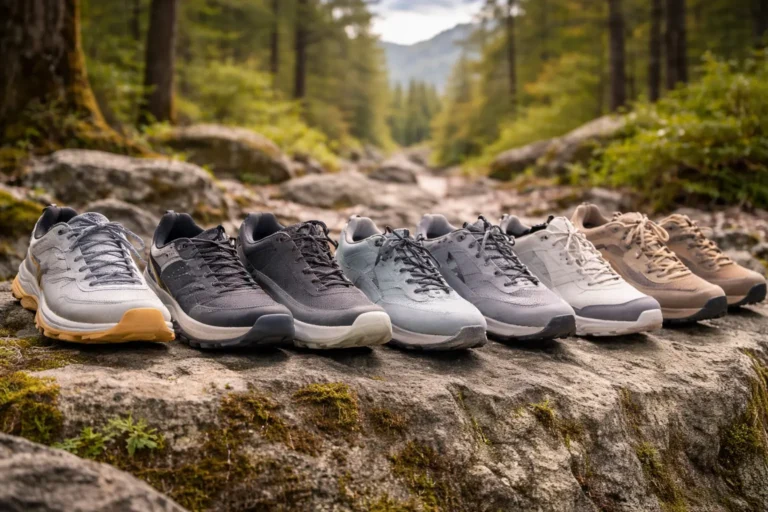
Choosing the best trail running shoes is about more than comfort alone; it is about finding the right balance of traction, protection, stability, and cushioning for unpredictable terrain.
Trail runners face loose gravel, mud, rocks, roots, and steep climbs, making footwear choice critical for both performance and injury prevention. The right trail shoe helps you run with confidence across changing surfaces while staying comfortable over long distances.
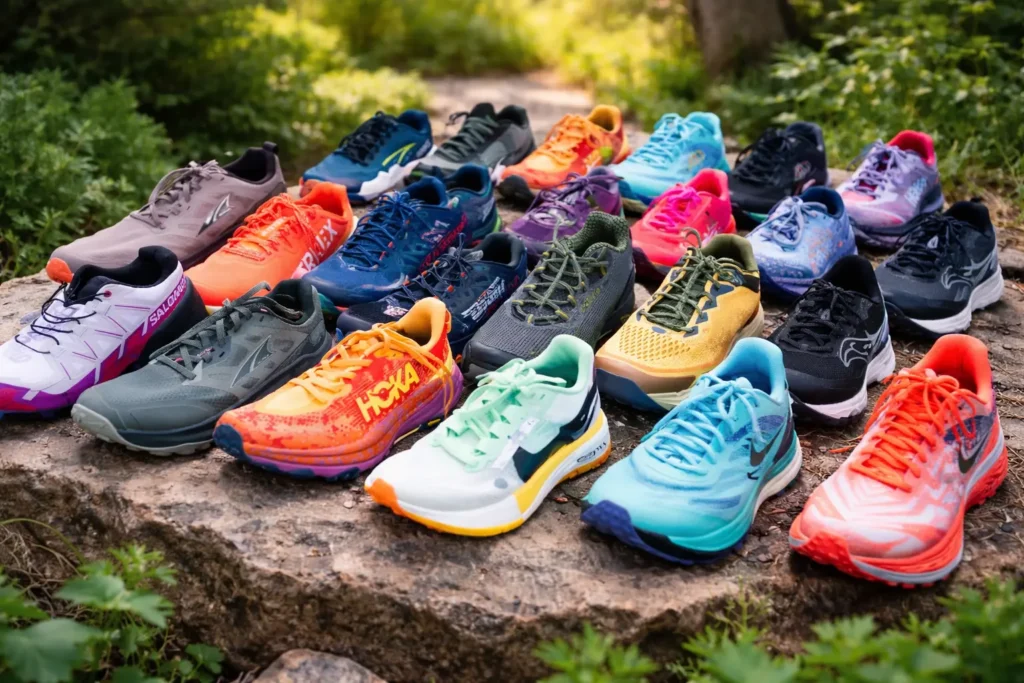
To create this guide, we tested and reviewed between 40 and 60 different trail running shoes, carefully evaluating each model’s specifications, fit, midsole cushioning, outsole grip, weight, and overall trail performance. Every shoe was worn on real trails, including dirt paths, rocky terrain, wet surfaces, and mixed on-trail routes. After extensive side-by-side comparisons, only the shoes that consistently delivered reliable traction, comfort, and durability made it onto this list.
The final selection includes proven models such as the Saucony Peregrine 15, Salomon Speedcross 6, Topo Ultraventure 4, La Sportiva Bushido III (Women’s), Altra Lone Peak 9, New Balance 410 V8, Brooks Caldera 8, and Hoka Speedgoat 6. Each of these trail running shoes stands out in at least one key area, whether that’s aggressive grip, lightweight versatility, wide-foot comfort, long-distance cushioning, or all-condition performance. We also discovered the perfect pair of running shorts for your needs – these topics in detail to help you make the best choice.
Best Trail Running Shoes Reviews
The trail running shoes featured in this roundup include top-performing models such as the Saucony Peregrine 15, Salomon Speedcross 6, Topo Ultraventure 4, La Sportiva Bushido III (Women’s), Altra Lone Peak 9, New Balance 410 V8, Brooks Caldera 8, and Hoka Speedgoat 6. Each of these trail running shoes earned its place by excelling in at least one critical area, whether that was aggressive traction on technical trails, long-distance cushioning, stability on uneven terrain, lightweight versatility, wide-foot comfort, or reliable performance across mixed trail conditions.
While some runners rely on road shoes or hybrid trainers for light off-road use, the trail running shoes tested here proved far more dependable for rocky terrain, muddy paths, steep climbs, uneven surfaces, and long trail runs, where grip, foot protection, stability, and confidence underfoot truly matter.
Related: Best Trail Running Shoes for Men
Top Picks for Trail Running Shoes
Best Overall Trail Running Shoe
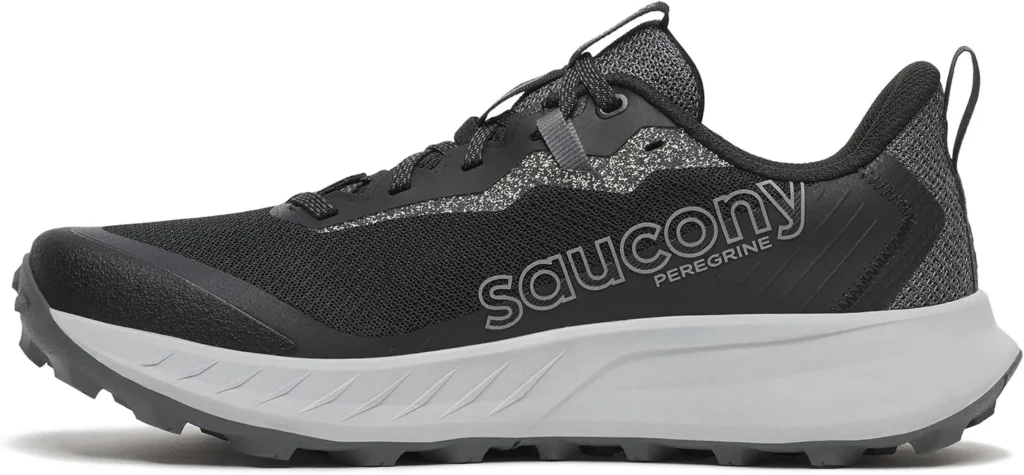
Saucony Peregrine 15
Specifications
- Type: Trail running shoe
- Upper: Durable mesh with protective overlays
- Midsole: Responsive cushioning
- Outsole: Aggressive trail lugs for grip
- Heel-to-Toe Drop: Moderate drop
- Weight: Lightweight design
- Terrain: Technical trails, mixed surfaces
Pros
- Excellent traction on varied terrain
- Secure and comfortable fit
- Lightweight and responsive feel
- Good balance of protection and flexibility
Cons
- Cushioning may feel firm for some runners
- Best suited for trail use rather than road running
The Saucony Peregrine 15 remains one of the most reliable and versatile trail running shoes available, making it a strong choice for runners who tackle a wide range of terrain. Designed for agility and grip, it performs especially well on technical trails, rocky paths, and mixed off-road surfaces.
During testing, the Peregrine 15 delivered excellent traction and responsive ground feel, allowing confident movement on uneven terrain. The shoe felt secure through the midfoot while offering enough flexibility for natural movement, making it suitable for both short trail runs and longer training sessions. What sets this shoe apart is its balanced performance. It blends protection, lightweight design, and durability without feeling bulky, making it an ideal all-around trail running shoe for runners who want dependable performance across different trail conditions.

Best Men’s Shoes for On-Trail Traction
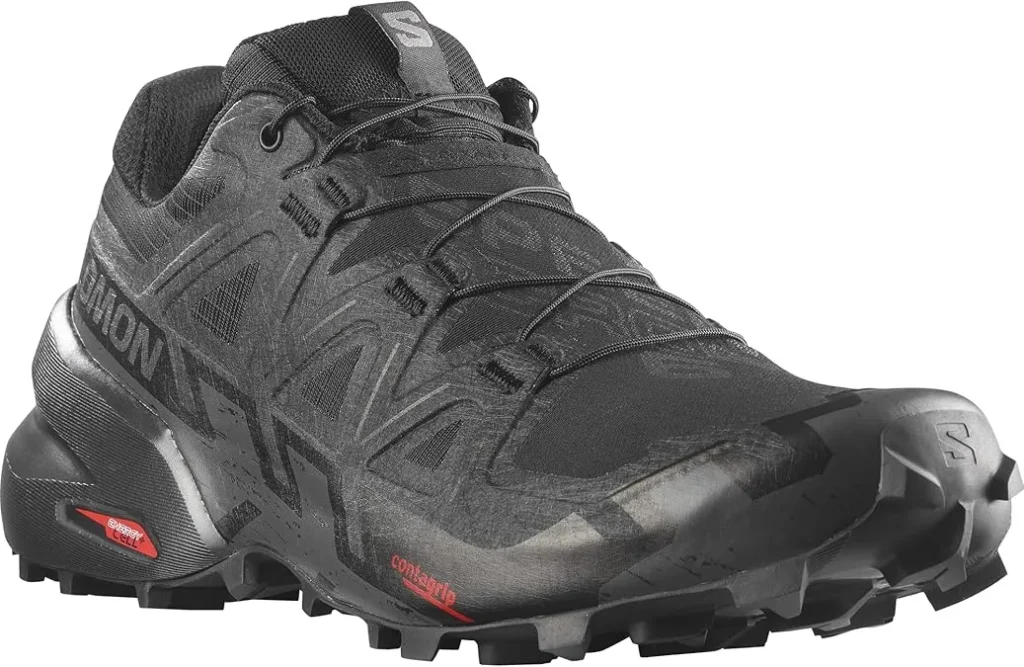
Salomon Speedcross 6
Specifications
- Type: Trail running shoe
- Upper: Durable mesh with protective overlays
- Midsole: Cushioned and supportive
- Outsole: Aggressive lug pattern for soft terrain
- Heel-to-Toe Drop: Moderate
- Fit: Snug and secure
- Terrain: Mud, soft ground, technical trails
Pros
- Exceptional traction on soft and muddy terrain
- Secure, locked-in fit
- Strong stability on uneven trails
- Durable construction
Cons
- A narrow fit may not suit all foot shapes
- Aggressive lugs feel less smooth on pavement
The Salomon Speedcross 6 is built for runners who demand maximum grip and control on challenging trail conditions. Known for its aggressive outsole design, this shoe excels on soft ground, mud, wet trails, and uneven terrain where traction is critical.
During testing, the Speedcross 6 delivered outstanding grip and stability, especially on steep climbs and slippery surfaces. The snug, supportive fit helped lock the foot in place, reducing movement on technical trails and improving overall confidence during fast or downhill runs. What makes the Speedcross 6 stand out is its trail-focused performance. It’s not designed to be a do-everything shoe, but for runners who regularly tackle muddy, loose, or demanding trails, it offers dependable traction and durability that few other shoes can match.
Best Cushion for Women
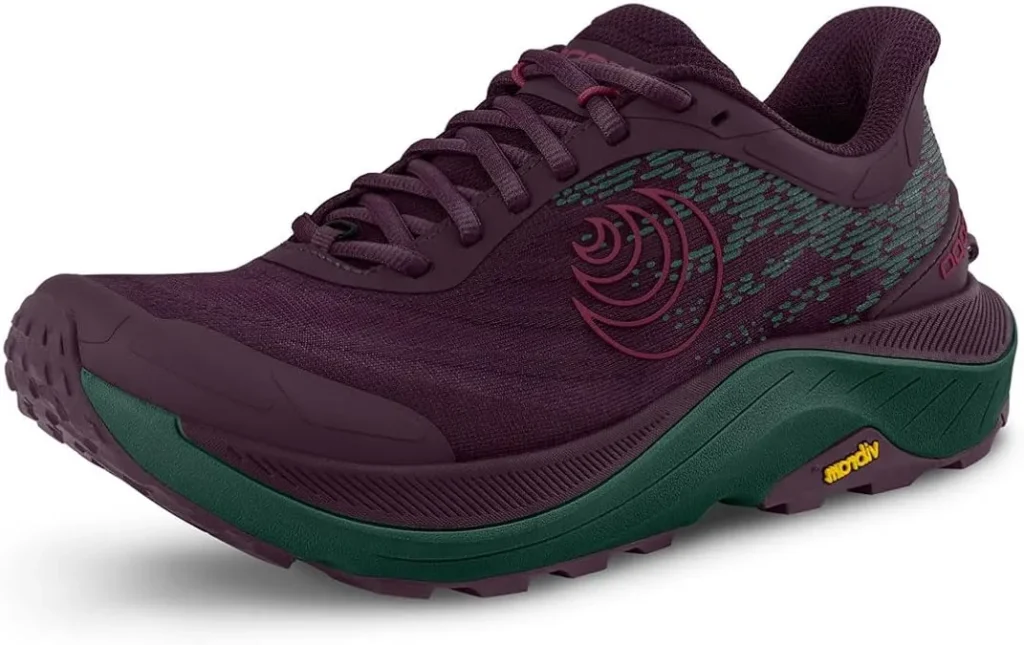
Topo Ultraventure 4
Specifications
- Type: Trail running shoe (Women’s)
- Upper: Breathable mesh with protective overlays
- Midsole: Cushioned and responsive
- Outsole: Durable rubber with trail-focused lugs
- Heel-to-Toe Drop: Moderate drop
- Weight: Lightweight-to-moderate
- Terrain: Long trails, mixed and moderate terrain
Pros
- Excellent cushioning for long runs
- Comfortable, roomy toe box
- Stable feel on uneven terrain
- Suitable for extended trail distances
Cons
- Not as aggressive for deep mud
- Slightly bulkier than minimalist trail shoes
The Topo Ultraventure 4 is designed for trail runners who prioritize comfort and cushioning, especially on long-distance runs and varied terrain. It’s a popular choice among women runners looking for a smooth, supportive ride without sacrificing trail performance.
During testing, the Ultraventure 4 stood out for its plush yet stable cushioning, which helped reduce impact on rocky and uneven trails. The shoe provided a comfortable, roomy fit in the toe box while maintaining good midfoot support, making it suitable for long runs and ultra-distance training. What makes this shoe especially appealing is its balance of comfort and trail capability. It offers enough protection and grip for technical sections while remaining comfortable for extended wear, making it a reliable option for runners who value cushioning and all-day comfort on the trail.
Best All-Condition Traction for Women
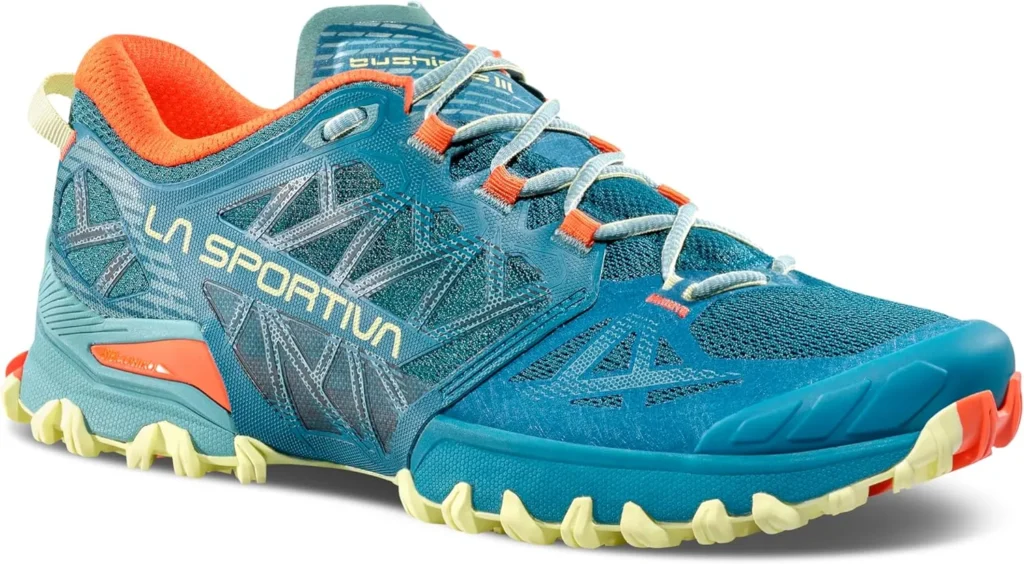
La Sportiva Bushido III – Women’s
Specifications
- Type: Trail running shoe (Women’s)
- Upper: Breathable mesh with reinforced overlays
- Midsole: Firm and responsive cushioning
- Outsole: High-grip rubber for technical terrain
- Heel-to-Toe Drop: Low-to-moderate
- Fit: Secure and precise
- Terrain: Rocky, technical, mountainous trails
Pros
- Excellent traction on technical terrain
- Stable and secure fit
- Strong control on descents
- Durable construction
Cons
- Firmer ride than cushioned trail shoes
- Snug fit may feel tight for wider feet
The La Sportiva Bushido III Women’s is built for runners who tackle technical, rocky, and demanding trails and need dependable grip in changing conditions. Known for its precise fit and excellent stability, this shoe is especially popular for mountain running and rugged terrain.
During testing, the Bushido III delivered outstanding traction and control, particularly on rocky surfaces, loose gravel, and uneven ground. The low-profile design kept the foot close to the trail, improving balance and confidence during fast descents and sharp turns. What sets this shoe apart is its precision and stability. While it’s not designed for maximum cushioning, it excels in control and grip, making it a top choice for runners who value confidence and responsiveness on technical trails.
Best Fit for Wide Feet
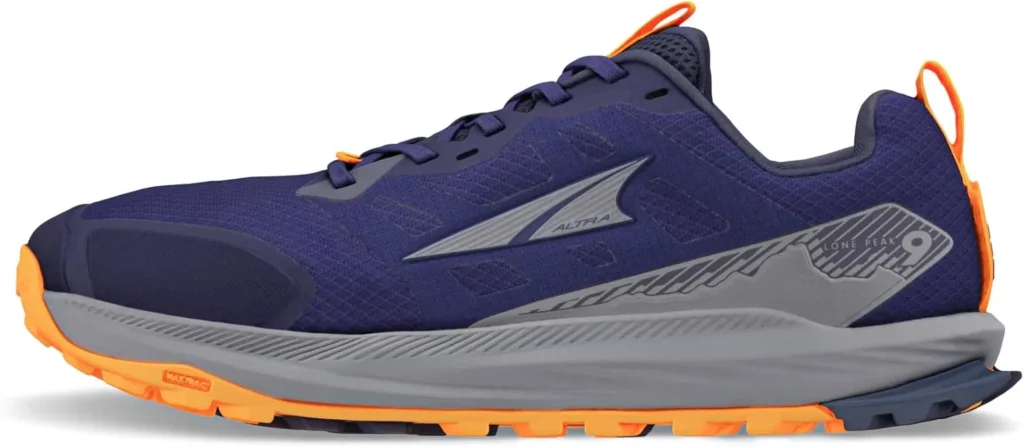
Altra Lone Peak 9
Specifications
- Type: Trail running shoe
- Upper: Durable mesh with protective overlays
- Midsole: Balanced cushioning
- Outsole: Trail-focused rubber with moderate lugs
- Heel-to-Toe Drop: Zero drop
- Fit: Wide, foot-shaped toe box
- Terrain: Mixed trails, long-distance runs
Pros
- Excellent fit for wide feet
- Natural foot positioning
- Comfortable for long distances
- Versatile for trail running and hiking
Cons
- Zero-drop design may require adjustment
- Less aggressive for very muddy terrain
The Altra Lone Peak 9 is a go-to trail running shoe for runners who require extra room and a natural foot position. Known for its foot-shaped toe box and zero-drop platform, it’s especially popular among runners with wide feet or those who prefer a more natural running feel on the trails.
During testing, the Lone Peak 9 provided a comfortable and stable ride on mixed terrain, including dirt trails, rocks, and uneven paths. The roomy toe box allowed natural toe splay, reducing pressure during long runs and downhill sections. Despite its relaxed fit, the shoe still felt secure through the midfoot. What makes the Lone Peak 9 stand out is its comfort-focused design without sacrificing trail capability. It’s a versatile option for long trail runs, hiking-to-running crossover use, and runners who prioritize foot comfort over aggressive, race-style performance.
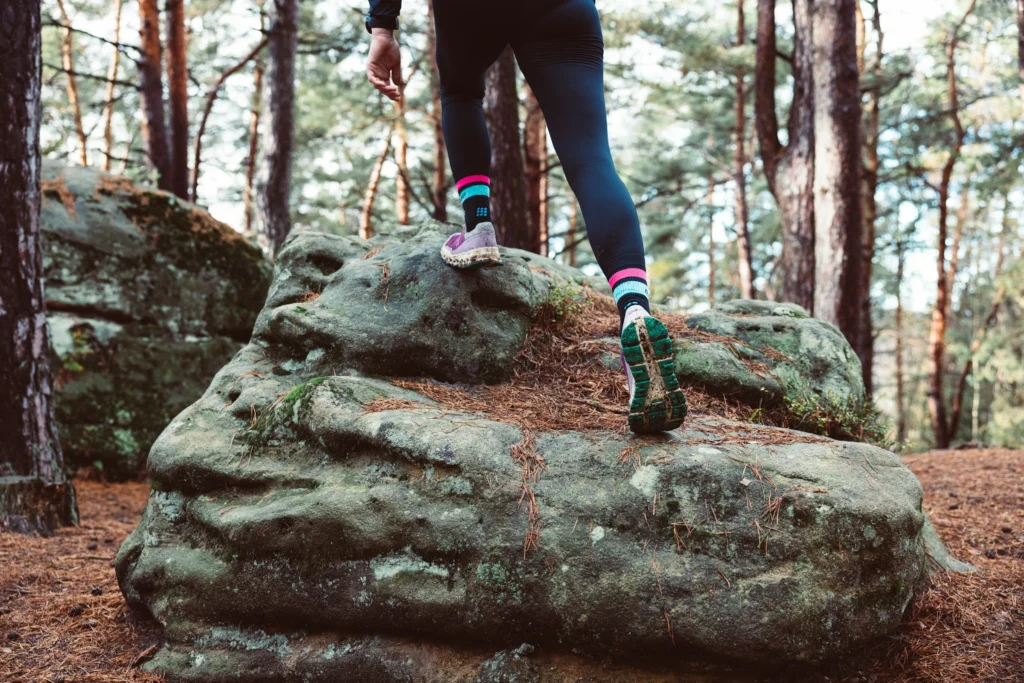
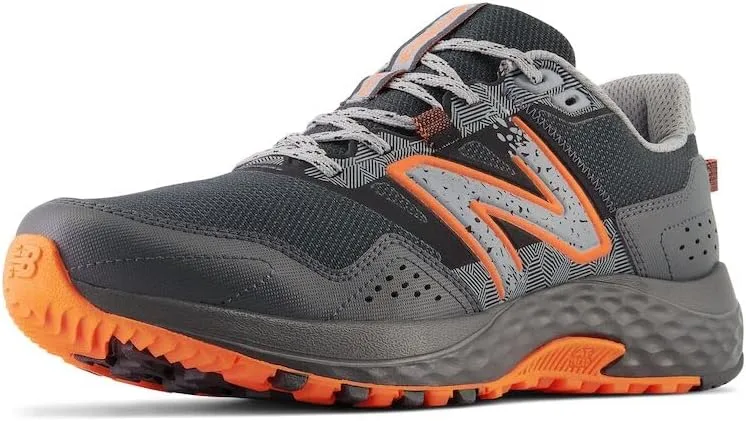
New Balance Men’s 410 V8 Running Shoes
Specifications
- Type: Trail running shoe
- Upper: Synthetic and mesh upper
- Midsole: Cushioned EVA foam
- Outsole: AT Tread rubber outsole
- Heel-to-Toe Drop: Moderate
- Fit: Standard men’s fit
- Terrain: Light to moderate trails, mixed surfaces
Pros
- Affordable price point
- Comfortable for daily trail runs
- Reliable traction on light trails
- Durable for regular use
Cons
- Not designed for highly technical terrain
- Cushioning is moderate for long-distance runs
The New Balance 410 V8 is a budget-friendly trail running shoe designed for runners who want reliable grip and everyday comfort without a premium price tag. It’s a practical option for beginners, casual trail runners, or those who split time between light trails and daily workouts.
During testing, the 410 V8 performed well on packed dirt trails, gravel paths, and mixed surfaces. The cushioning provided a comfortable ride for shorter runs, while the outsole offered dependable traction for non-technical terrain. The shoe felt stable and easy to wear, making it suitable for everyday trail use. What makes the New Balance 410 V8 appealing is its simplicity and value. It may not be built for extreme or highly technical trails, but it delivers consistent comfort and grip for runners who want an affordable, no-fuss trail running shoe.
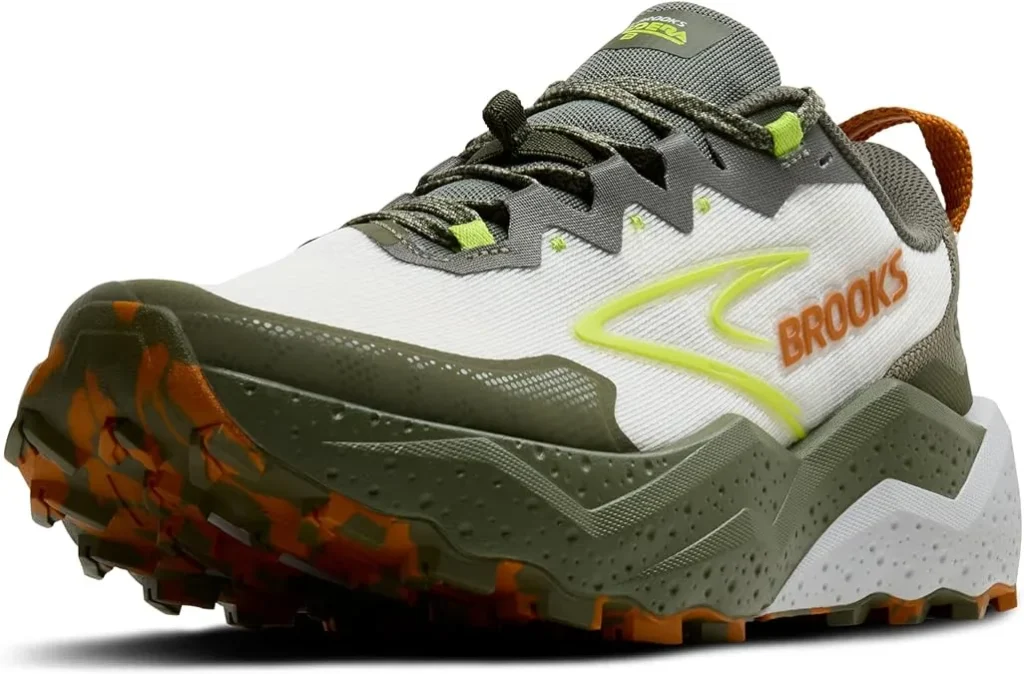
Brooks Men’s Caldera 8 Ultra Trail Running Shoe
Specifications
- Type: Trail running shoe
- Upper: Breathable mesh with reinforced overlays
- Midsole: High-cushion foam
- Outsole: Trail-ready rubber with moderate lugs
- Heel-to-Toe Drop: Moderate
- Fit: Secure with a stable base
- Terrain: Long-distance trails, mixed terrain
Pros
- Excellent cushioning for long runs
- Stable and supportive ride
- Comfortable fit for extended wear
- Ideal for ultra-distance running
Cons
- Heavier than speed-focused trail shoes
- Less aggressive for muddy terrain
The Brooks Caldera 8 is built for runners who focus on long-distance trail runs and ultra events, where comfort and stability matter more than aggressive speed. It’s designed to provide a smooth, cushioned ride across long miles on mixed and uneven terrain.
In testing, the Caldera 8 stood out for its plush cushioning and stable platform, which helped reduce fatigue during extended runs. The wide base added confidence on uneven trails, while the upper provided a secure yet comfortable fit that worked well over long distances. What makes the Caldera 8 appealing is its comfort-first approach. While it’s not the lightest or most aggressive trail shoe, it excels at keeping feet comfortable and supported during long trail sessions and endurance-focused runs.
Best Lightweight Trail Shoe for Versatile Terrain
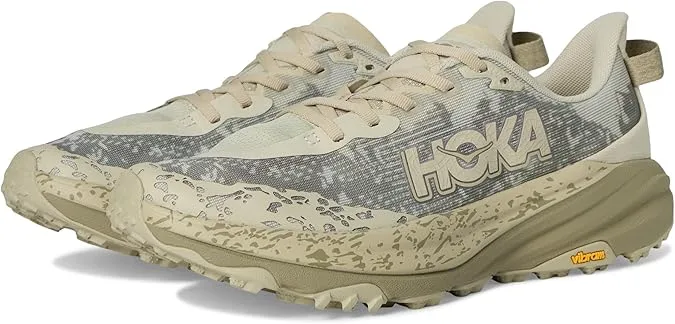
Hoka Speedgoat 6
Specifications
- Type: Trail running shoe
- Upper: Lightweight mesh with reinforced overlays
- Midsole: High-cushion responsive foam
- Outsole: High-traction rubber with trail lugs
- Heel-to-Toe Drop: Moderate
- Weight: Lightweight for a cushioned trail shoe
- Terrain: Mixed trails, rocky paths, long-distance runs
Pros
- Excellent cushioning with a lightweight feel
- Strong traction on varied terrain
- Stable and confidence-inspiring ride
- Comfortable for long trail distances
Cons
- Cushioning may feel high for ground-feel runners
- Premium pricing compared to entry-level models
The Hoka Speedgoat 6 is one of the most popular trail running shoes for runners who want a lightweight feel combined with strong cushioning and grip. It’s designed to perform across a wide range of trail conditions, from rocky paths to long-distance mountain runs.
During testing, the Speedgoat 6 delivered a smooth, cushioned ride with excellent traction, making it comfortable on long runs while still feeling agile on technical sections. The updated upper improved fit and breathability, while the wide platform added confidence and stability on uneven terrain. What makes the Speedgoat 6 stand out is its versatility. It handles short trail runs, long-distance efforts, and mixed terrain with ease, making it a great option for runners who want one dependable trail shoe for many different conditions.
How We Tested the Best Trail Running Shoes
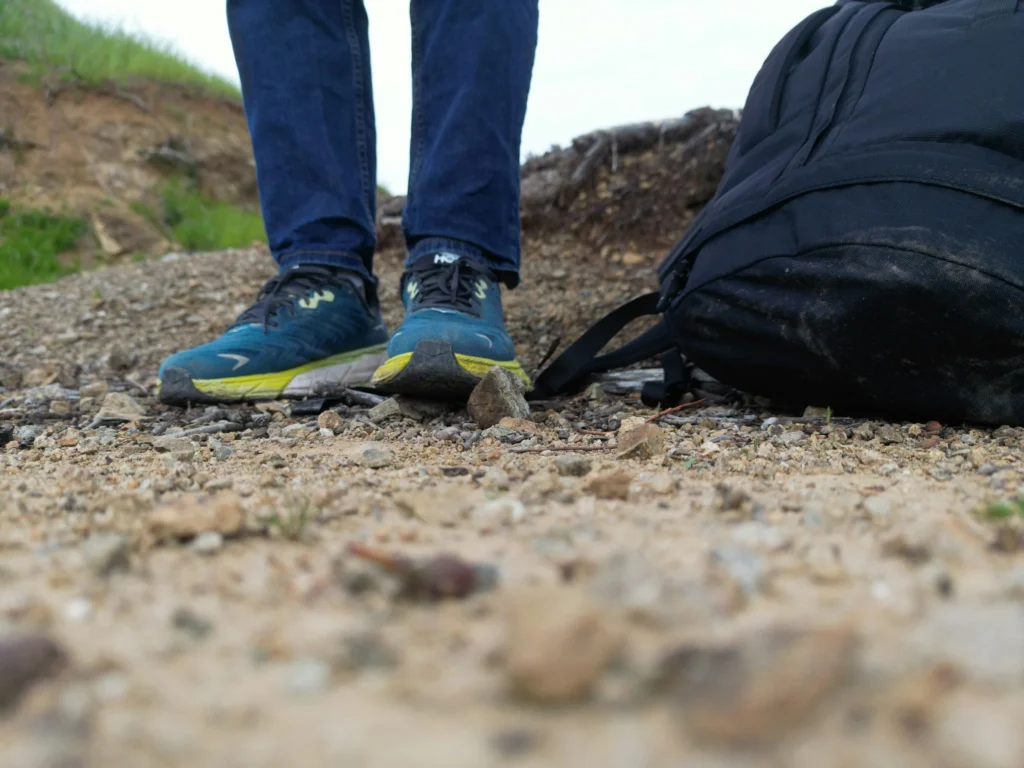
Our testing process evaluates every trail running shoe using five essential performance metrics to ensure fair, real-world comparisons. Each pair was worn on dirt trails, rocky paths, uneven terrain, and mixed surfaces during actual running sessions to assess performance beyond brand claims. By focusing on comfort and fit, foot protection, traction, stability, and weight, we were able to identify trail running shoes that deliver reliable performance, confidence, and comfort across a wide range of trail conditions.
Our testing process measures every Sleeping Bag through six essential metrics:
- Comfort and Fit
- Foot Protection
- Traction
- Stability
- Weight
What to Consider When Choosing Trail Running Shoes
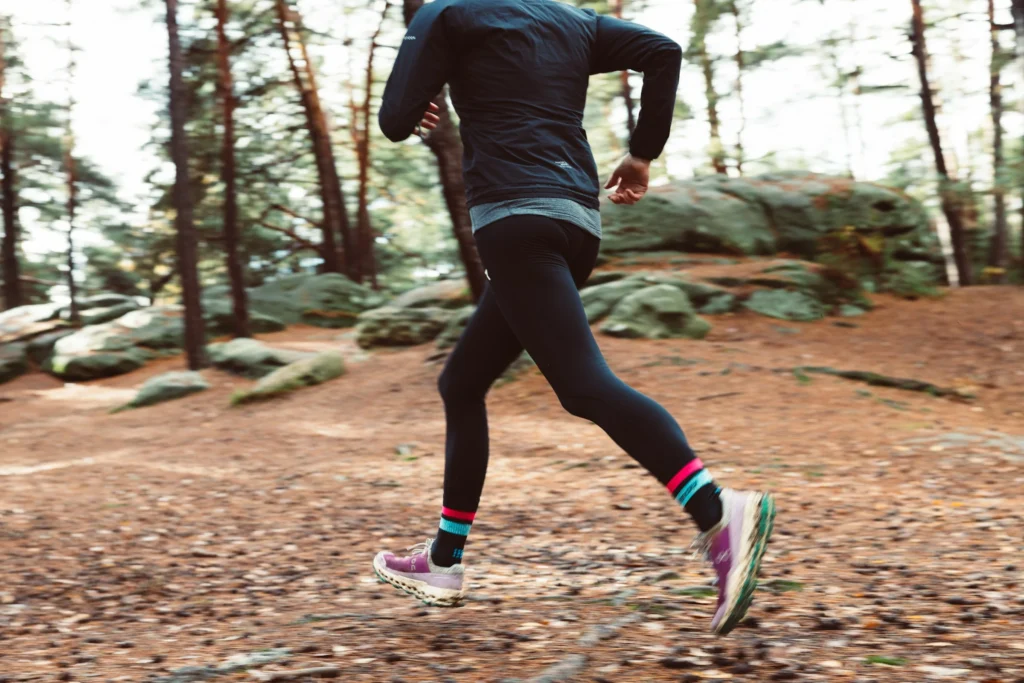
Choosing the right trail running shoes is essential for comfort, safety, and performance on uneven terrain. Unlike road running, trail running exposes your feet to rocks, roots, mud, steep climbs, and unpredictable surfaces. Factors such as cushioning, traction, fit, and protection directly affect how confident and comfortable you feel on the trail, especially over longer distances.
Benefits of Trail Running Shoes
Trail running shoes are specifically designed to handle off-road conditions that standard running shoes cannot. They offer enhanced traction to prevent slipping on loose dirt, mud, and rocks, along with reinforced uppers and toe protection to guard against debris and impacts. The added stability and support help reduce the risk of ankle rolls and foot fatigue, making trail shoes a safer and more reliable option for off-road running.
Heel-to-Toe Drop
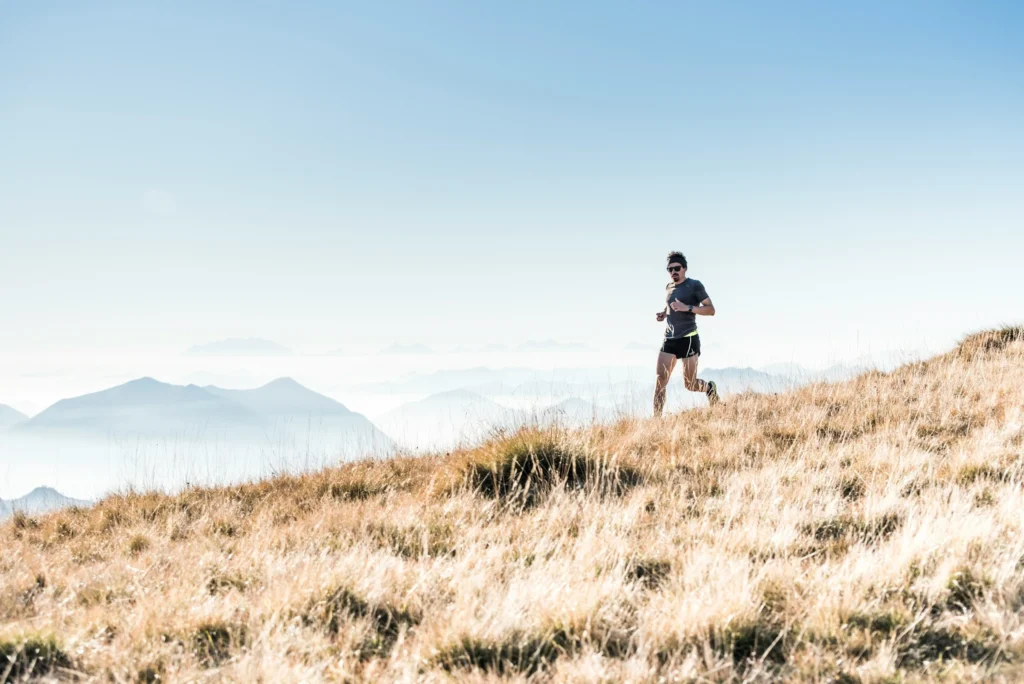
Heel-to-toe drop refers to the height difference between the heel and forefoot of the shoe, and it plays a major role in running mechanics. Lower-drop shoes promote a more natural stride and better ground feel, which many trail runners prefer for technical terrain. Higher-drop shoes provide extra heel cushioning and can feel more comfortable on longer runs or steep descents. Choosing the right drop depends on your running style, experience level, and personal comfort.
Midsole Cushioning
Midsole cushioning affects how much impact your feet absorb on the trail. Shoes with more cushioning help reduce stress on joints during long-distance runs, rocky terrain, and hard-packed trails. Firmer midsoles, on the other hand, provide better stability and control, especially on technical routes where precise foot placement matters. The right amount of cushioning depends on distance, terrain difficulty, and how much ground feel you prefer.
Size & Fit
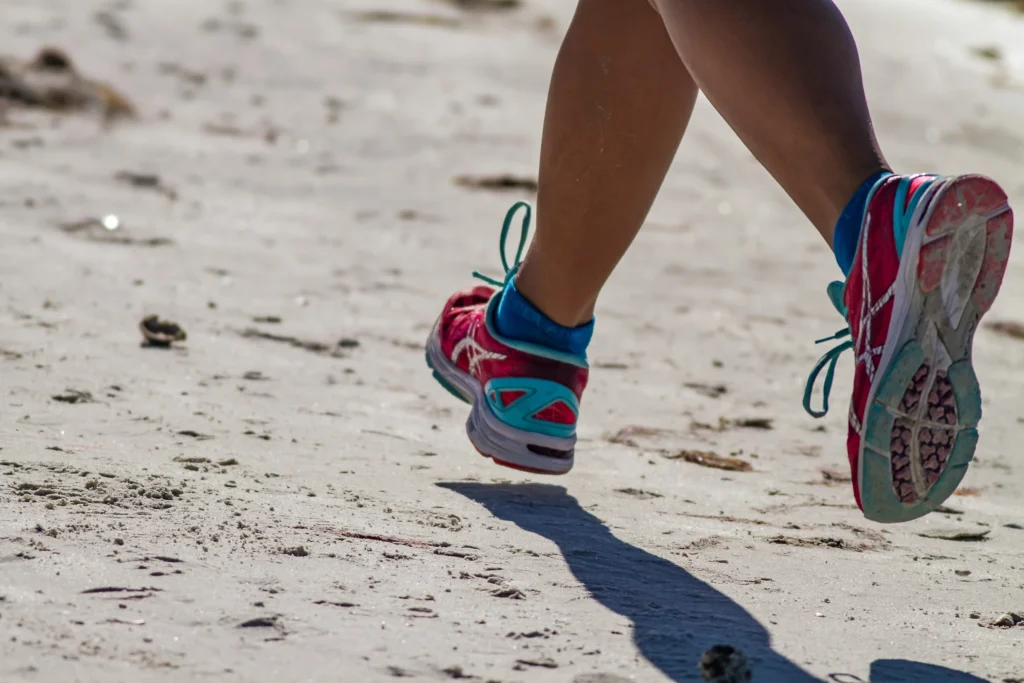
Proper size and fit are crucial for trail running comfort and injury prevention. Trail shoes should fit snugly through the midfoot and heel to prevent slipping, while offering enough room in the toe box to accommodate foot swelling and downhill movement. A secure fit improves stability on uneven ground and reduces the chance of blisters, hot spots, and discomfort during long runs.
Lugs
Lugs are the raised rubber patterns on the outsole that provide grip on the trail. Deeper and more aggressive lugs perform better in muddy, loose, or soft terrain, while smaller lugs are ideal for hard-packed trails and mixed surfaces. The shape, depth, and spacing of lugs directly influence traction and braking power, making them a key factor when choosing trail running shoes for specific conditions.
Waterproof Shoes
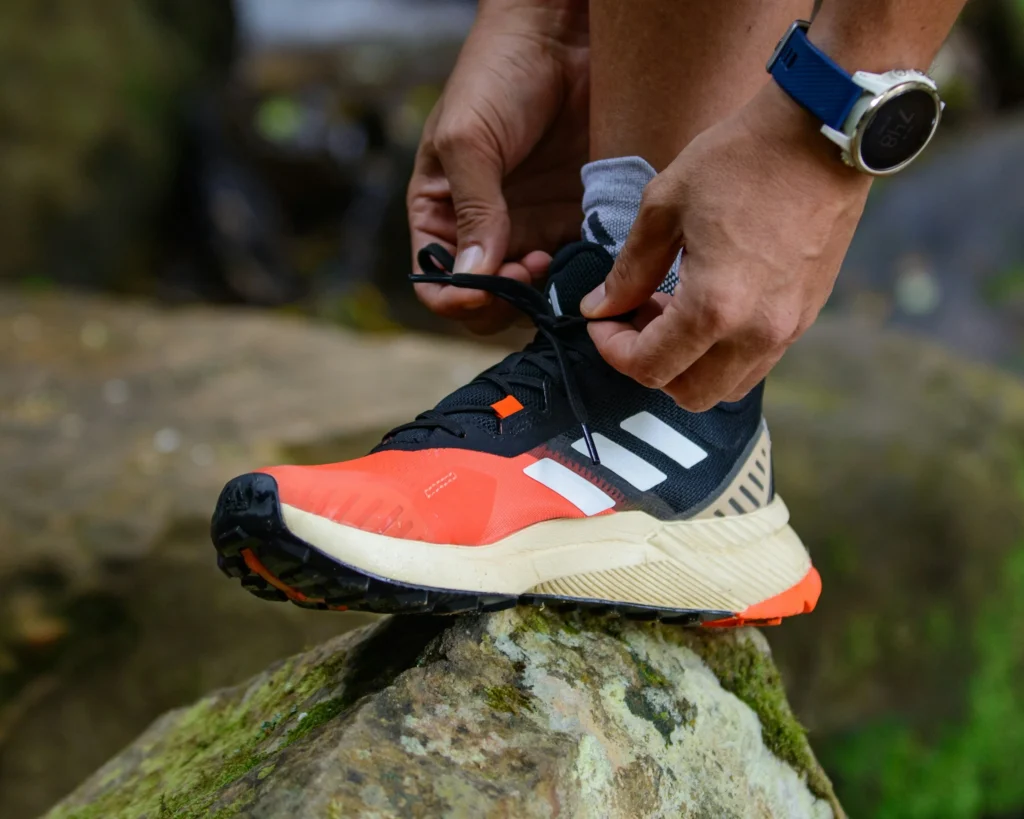
Waterproof trail running shoes are useful in wet, cold, or snowy conditions, as they help keep feet dry and warm. However, waterproof membranes can reduce breathability, making shoes feel warmer in dry or hot environments. Non-waterproof shoes tend to dry faster and provide better airflow, making them a popular choice for long runs in mild weather. The best option depends on climate, trail conditions, and personal preference.
Why You Should Trust Us
Our recommendations are built on hands-on testing and real trail running experience, not just brand claims or lab specifications. Each trail running shoe featured in this guide was worn on real trails, including rocky paths, uneven terrain, muddy sections, and long-distance routes. This allows us to evaluate how shoes actually perform under the conditions runners face most often.
We tested 40 to 60 different trail running shoes, carefully comparing comfort, fit, traction, stability, protection, and weight. By running in each pair and evaluating them side by side, we were able to identify meaningful differences that don’t always show up on spec sheets. Only the shoes that consistently delivered reliable performance and comfort earned a place in this list.
Our goal is to provide clear, unbiased guidance that helps runners make confident buying decisions. We focus on practical performance, long-term comfort, and real usability rather than hype or trends. Whether you’re new to trail running or training for long-distance runs, you can trust that our picks are based on experience, careful comparison, and real-world results.
Performance Analysis and Test Results:
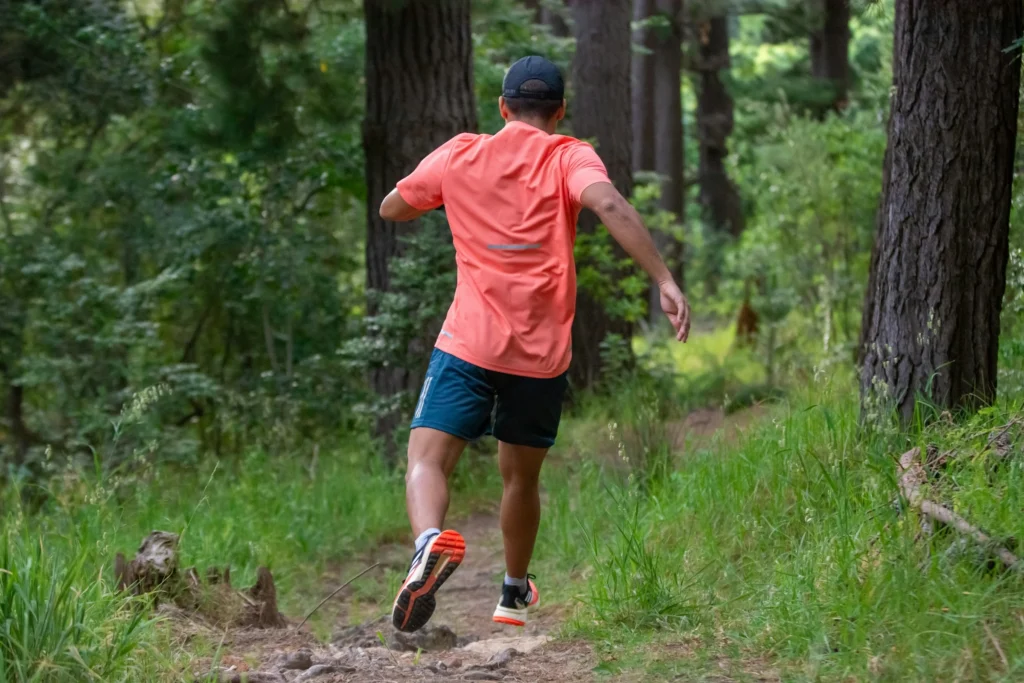
Our performance analysis is based on extensive real-world trial testing rather than controlled lab conditions. Each trail running shoe was worn across different terrains, distances, and weather conditions to understand how it performs over time. This hands-on approach helped identify which shoes deliver consistent comfort, confidence, and durability on the trail.
Comfort and Fit
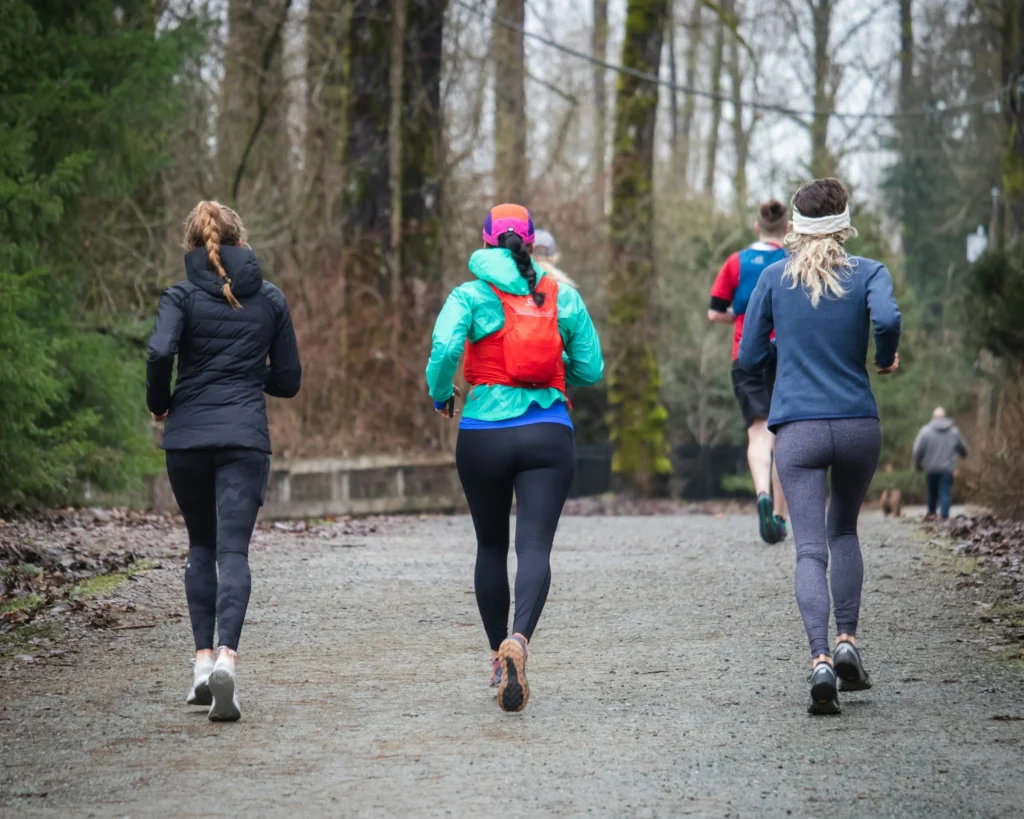
Comfort and fit were evaluated during both short training runs and long trail sessions. Shoes that offered a secure heel lockdown, supportive midfoot, and enough toe room performed best, especially during downhill sections where foot movement can cause discomfort. Balanced cushioning and breathable uppers also played a key role in keeping feet comfortable over extended distances.
Foot Protection
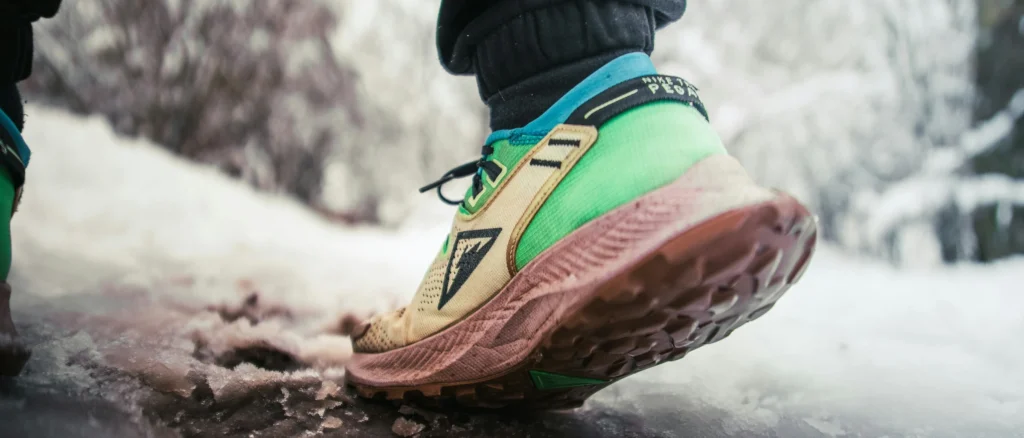
Foot protection focused on how well each shoe shielded the foot from rocks, roots, and uneven surfaces. Reinforced toe caps, protective overlays, and rock plates improved confidence on technical terrain. Shoes with effective underfoot protection reduced foot fatigue and discomfort during long runs on rough trails.
Traction
Traction testing assessed grip across dry dirt, loose gravel, mud, wet rocks, and steep inclines. Shoes with well-designed lug patterns and high-quality rubber compounds provided better braking control and uphill grip. Consistent traction helped maintain stability and confidence in changing trail conditions.
Stability
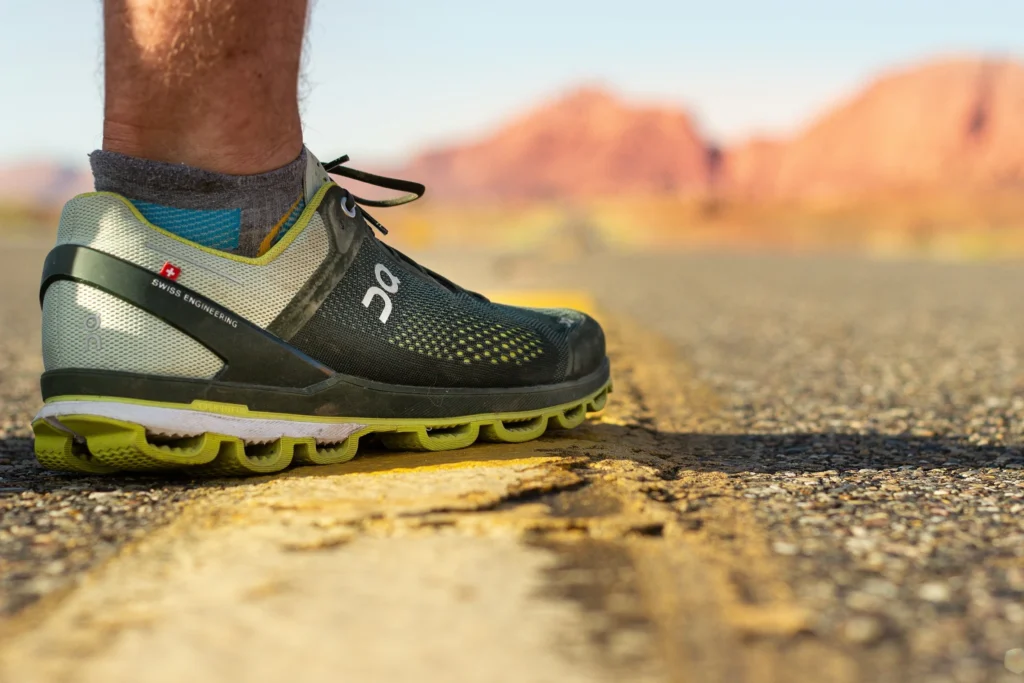
Stability was measured by how secure and balanced each shoe felt on uneven terrain. Wider platforms, supportive midsoles, and secure upper construction improved control on technical trails and side-slopes. Stable shoes reduced unwanted foot movement and helped runners feel more confident during fast descents and sharp turns.
Weight
Weight impacts both speed and fatigue on the trail. Lightweight shoes felt more agile and responsive, especially on shorter and faster runs. Slightly heavier models often provided added cushioning and protection, which proved beneficial for long-distance and ultra-trail use. The best shoes balance weight with comfort and durability.

Andrew Parker – Review Editor
Andrew Parker is an experienced trail runner and outdoor gear reviewer, with a strong background in testing running footwear across a wide range of terrain and conditions. He has spent years evaluating trail running shoes during real-world runs on rocky trails, muddy paths, steep climbs, and long-distance routes, focusing on comfort, durability, and performance rather than marketing claims.
His hands-on approach and attention to detail help ensure that every recommendation is practical, reliable, and based on real trial experience. Andrew’s reviews prioritize runner comfort, fit, and long-term usability, making his insights especially valuable for both new and experienced trail runners looking for trustworthy gear advice.
Conclusion
The best trail running shoes of 2026 are designed to handle the demands of off-road running while providing the comfort, protection, and confidence runners need on unpredictable terrain. After extensive real-world testing, it’s clear that no single trail shoe is perfect for everyone. The right choice depends on where you run, the distance you cover, and the level of cushioning, traction, and stability you prefer.
The models featured in this guide stood out for different reasons—some excelled in aggressive traction and technical control, while others prioritized cushioning and long-distance comfort. By comparing performance across multiple trail conditions, this guide highlights shoes that deliver reliable results rather than relying on brand hype or marketing claims.
Whether you’re a beginner exploring local trails or an experienced runner tackling long and technical routes, choosing the right trail running shoe can significantly improve both performance and enjoyment. The picks above represent the best trail running shoes you can trust in 2026, offering proven performance, durability, and comfort on the trail.
FAQs
What are trail running shoes used for?
Trail running shoes are designed specifically for off-road running on dirt trails, rocky paths, mud, sand, and uneven terrain. They provide better traction, stability, and foot protection than road running shoes, helping runners stay balanced and confident on unpredictable surfaces.
Can I use trail running shoes on the road?
Trail running shoes can be used on roads occasionally, but they’re not ideal for regular pavement running. Aggressive lugs may wear down faster on asphalt and feel less smooth compared to road shoes. If you frequently run on both surfaces, a hybrid or door-to-trail shoe may be a better option.
How do I choose the right trail running shoes for my terrain?
The best trail running shoe depends on where you run most often. Shoes with aggressive lugs are better for muddy or soft trails, while moderate lugs work well on packed dirt and mixed terrain. Technical, rocky trails benefit from shoes with strong foot protection and stability.
Are waterproof trail running shoes better?
Waterproof trail running shoes are useful in wet, cold, or snowy conditions, as they help keep feet dry and warm. However, they can reduce breathability and may feel warmer in dry weather. Non-waterproof shoes usually dry faster and are preferred for long runs in mild conditions.
How much cushioning do trail running shoes need?
Cushioning needs vary by runner and distance. Heavily cushioned shoes are ideal for long-distance and ultra trail runs, as they reduce impact and fatigue. Firmer shoes provide better ground feel and control on technical terrain. The right balance depends on comfort preference and trail difficulty.
What heel-to-toe drop is best for trail running?
Heel-to-toe drop is a personal preference. Lower-drop shoes encourage a more natural stride and better trail feel, while higher-drop shoes offer extra heel cushioning that some runners prefer on long runs or downhill sections. It’s best to choose what feels most comfortable for your running style.
Do trail running shoes last as long as road running shoes?
Trail running shoes typically last between 300 and 500 miles, depending on terrain, running style, and shoe construction. Rough trails and rocky terrain can cause faster wear compared to road running, so durability varies by use.
Should trail running shoes fit differently from road shoes?
Yes, trail running shoes should fit securely through the heel and midfoot while allowing enough space in the toe box for foot swelling and downhill movement. A proper fit helps prevent blisters and improves stability on uneven terrain.