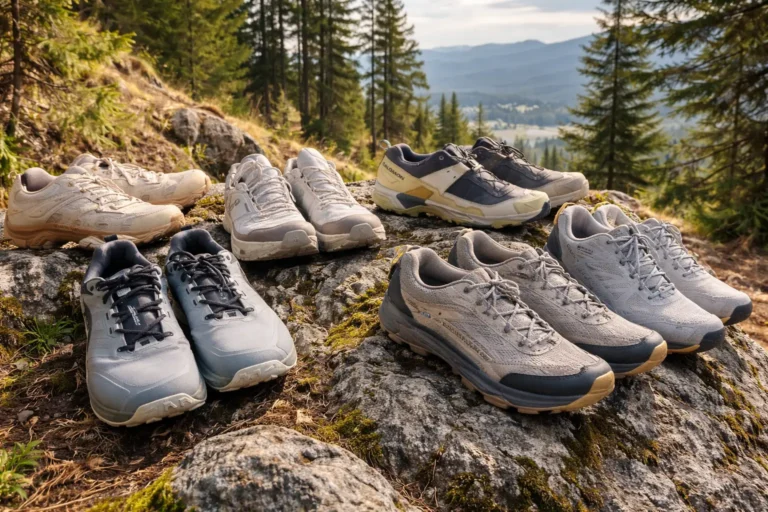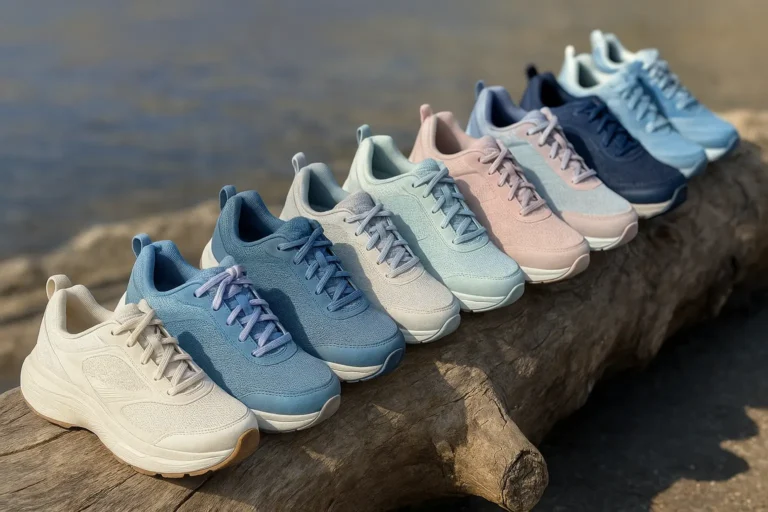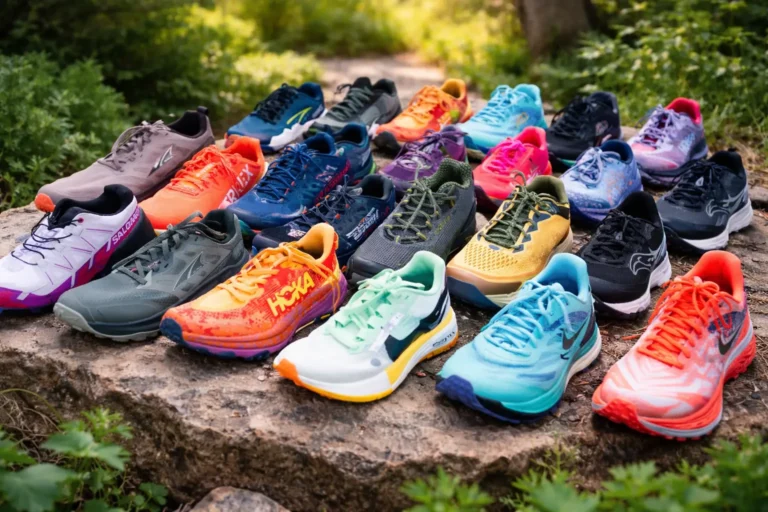
Best Barefoot shoes are specially designed to support natural foot movement, offering a lightweight feel, zero heel drop, and a wide toe box that allows toes to spread freely, unlike traditional shoes, which are not bad but have thick cushioning and elevated heels. We analyzed the top barefoot shoes based on comfort, flexibility, and user feedback.
The barefoot shoes promote better balance, improved posture, and stronger foot muscles over time. They are increasingly popular for walking, running, gym training, and everyday wear among people seeking a more natural, minimalist footwear experience.
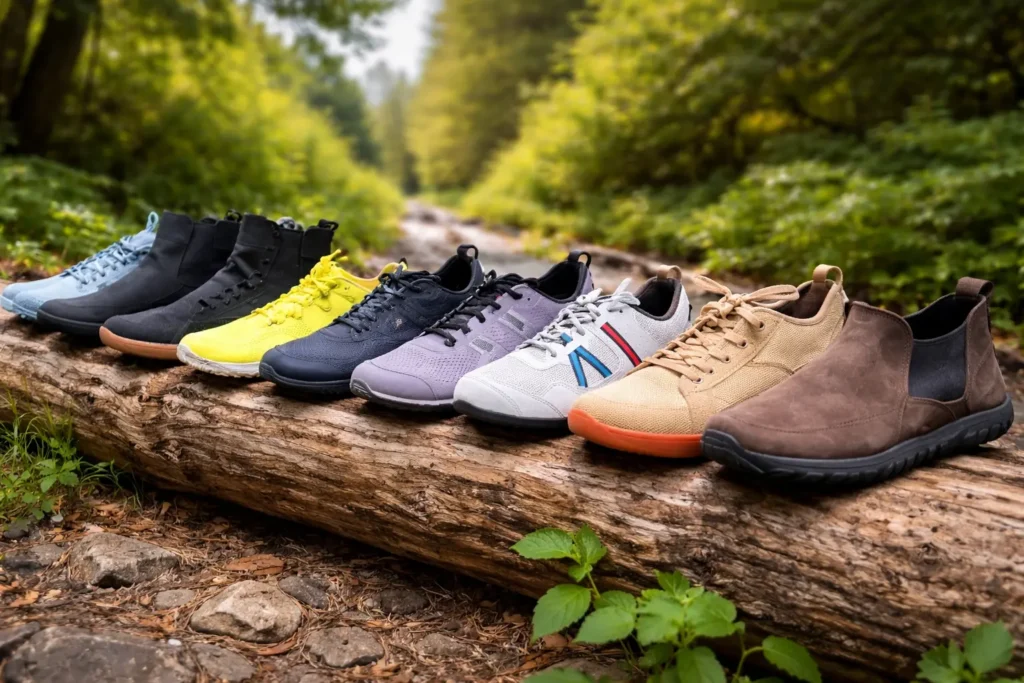
To find the best barefoot shoes, we tested many different barefoot shoe models across multiple activities, including road running, trail running, gym workouts, and casual daily wear. Each shoe was carefully evaluated by checking its flexibility, ground feel, comfort, durability, traction, and overall performance. After hands-on testing and side-by-side comparisons, only the models that truly delivered a barefoot feel and reliable real-world performance were selected for this list.
This guide features top-rated barefoot shoes such as the Merrell Trail Glove 7, Merrell Vapor Glove 6, Xero HFS II, Vivobarefoot Primus Lite III, Vibram V-Trail 2.0, WHITIN Wide Minimalist, AIRHAS Knit Barefoot Shoe, and Altra Escalante Racer 2. Each of these shoes excels in a specific category, whether it’s trail running, gym training, beginner comfort, budget value, or everyday minimalist wear, making it easier to find the right option for your needs.
The Best Barefoot Shoes Reviews
The barefoot shoes featured in this roundup include top-performing models such as the Merrell Trail Glove 7, Merrell Vapor Glove 6, Xero HFS II, AIRHAS Knit Barefoot Shoe, WHITIN Wide Minimalist, Vivobarefoot Primus Lite III, Vibram V-Trail 2.0, Xero Shoes HFS II (Women’s), and the Altra Escalante Racer 2. Each of these barefoot shoes earned its place by excelling in at least one key area, whether that was exceptional ground feel, natural foot alignment, ultra-lightweight design, wide toe-box comfort, flexible soles for full mobility, gym-ready performance, or dependable traction for everyday and light trail use.
Top Picks for Best Barefoot Shoes
Best Barefoot Shoe for Men
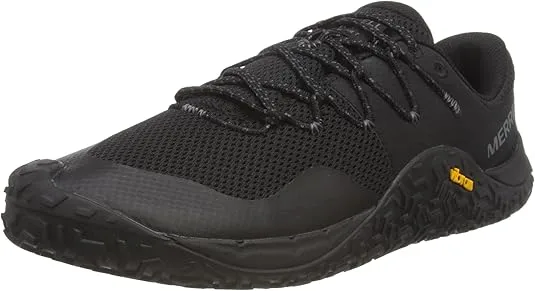
Merrell Trail Glove 7
Specifications
- Drop: 0 mm (Zero Drop)
- Weight: Approx. 9.3 oz (Men’s)
- Upper: Breathable mesh
- Outsole: Vibram EcoStep rubber
- Toe Box: Wide, foot-shaped
- Best For: Trail running, walking, gym, everyday use
Stack Height: 14 mm
Pros
- Excellent ground feel and flexibility
- Wide toe box allows natural movement
- Lightweight and breathable design
- Reliable traction for trails and gym use
Cons
- A thin sole may require adaptation for new barefoot users
- Limited cushioning for long road runs
The Merrell Trail Glove 7 is one of the most refined barefoot-style trail shoes available. This is especially designed for men who want a true minimalist feel without sacrificing protection or traction. Its Built with a zero-drop platform and a low-profile sole, this shoe encourages natural foot movement while keeping you connected to the ground. It’s an excellent choice for trail running, hiking, walking, and everyday wear for those transitioning to barefoot footwear, but it’s not good for long trips.
Best Barefoot Shoe for Women
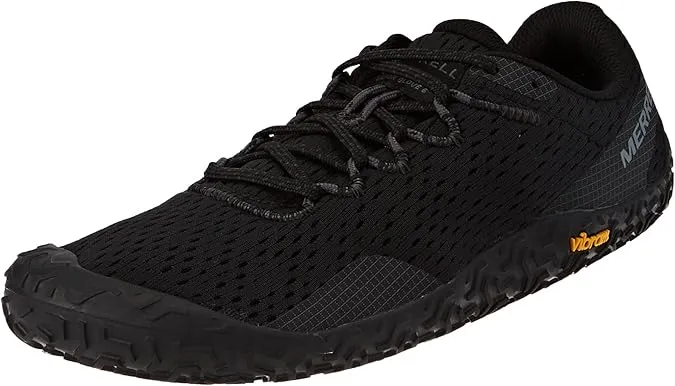
Merrell Vapor Glove 6
Specifications
- Drop: 0 mm (Zero Drop)
- Weight: Approx. 5.6 oz (Women’s)
- Upper: Breathable mesh
- Outsole: Vibram rubber
- Toe Box: Foot-shaped, wide
- Best For: Walking, gym training, casual wear, light running
Pros
- Extremely lightweight and flexible
- Excellent ground feel
- Breathable and comfortable fit
- Ideal for the gym and daily use
Cons
- Very minimal cushioning
- Less suited for rocky trails
The Merrell Vapor Glove 6 is one of the lightest and most minimal barefoot shoes available. This is an excellent choice, especially for women who want a pure barefoot experience. Its Designed with an ultra-thin sole and zero-drop platform, so this shoe allows maximum ground feel and natural foot movement. It’s especially popular for walking, light running, gym workouts, and everyday wear.
What sets the Vapor Glove 6 apart is how close it feels to being barefoot while still offering basic protection. The flexible outsole lets your foot bend and move naturally in all directions, helping improve balance and foot strength over time. It works particularly well on smooth surfaces, indoor training environments, and well-maintained paths.
Reviews of the Best Barefoot Shoes
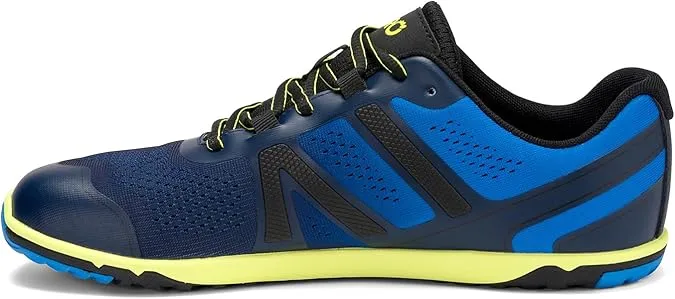
Xero HFS II
Specifications
- Drop: 0 mm (Zero Drop)
- Weight: Approx. 8.3 oz
- Upper: Breathable engineered mesh
- Outsole: FeelTrue rubber
- Toe Box: Wide, foot-shaped
- Best For: Running, walking, gym, everyday wear
Pros
- Balanced ground feel with light protection
- Flexible and durable outsole
- Comfortable for all-day wear
- Good option for barefoot beginners
Cons
- Less cushioning for long-distance runs
- Limited insulation in cold weather
The Xero HFS II is a versatile barefoot shoe designed for people who want natural movement with a bit more structure than ultra-minimal models. It maintains a zero-drop platform and flexible sole while adding enough durability and support for running, walking, gym workouts, and everyday use. This balance makes it a popular choice for both new and experienced barefoot shoe users.
One of the biggest strengths of the HFS II is its responsive yet protective sole. It offers excellent ground feel without feeling overly thin, which helps reduce discomfort when transitioning from traditional footwear. The shoe performs well on pavement, light trails, and indoor training environments, making it a true all-around minimalist option.
Pick for Barefoot Beginners
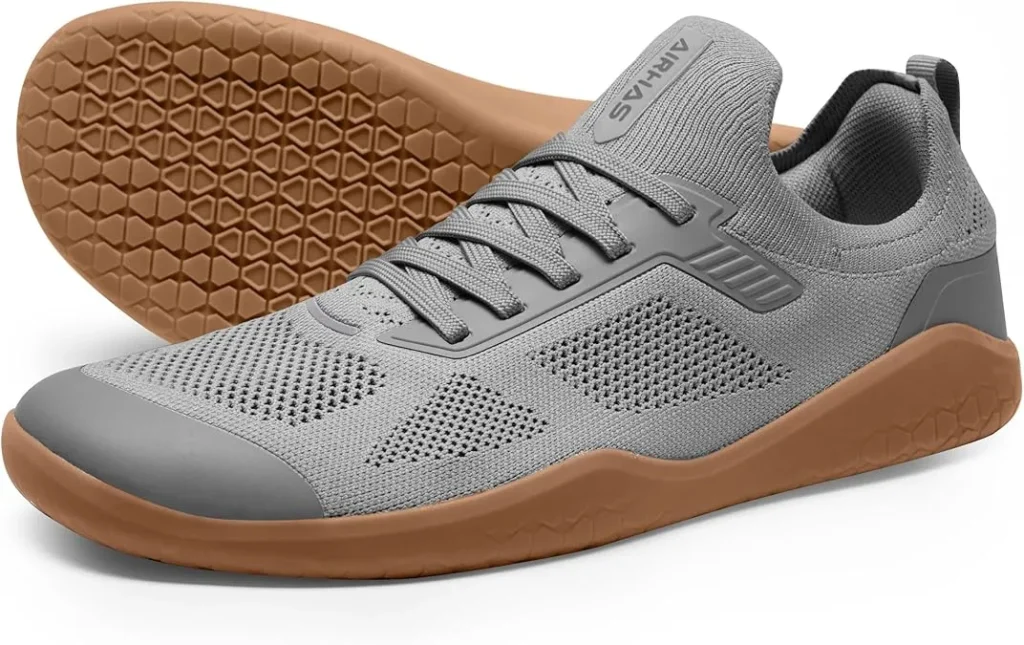
AIRHAS Knit Barefoot Shoe
Specifications
- Drop: 0 mm (Zero Drop)
- Weight: Approx. 7 oz
- Upper: Stretch knit fabric
- Outsole: Flexible rubber
- Toe Box: Wide and roomy
- Best For: Walking, casual wear, beginners
Pros
- Very comfortable and flexible
- Easy transition for new barefoot users
- Lightweight and breathable
- Affordable price point
Cons
- Limited support for intense activity
- Not designed for rough trails
The AIRHAS Knit Barefoot Shoe is a beginner-friendly option for people who are new to minimalist footwear and want an easy, comfortable way to transition into barefoot shoes. With its lightweight design, zero-drop sole, and flexible construction, it allows natural foot movement without feeling too harsh or demanding on the feet.
What makes the AIRHAS stand out is its soft knit upper, which feels comfortable right out of the box and adapts well to different foot shapes. The shoe provides enough flexibility to encourage natural movement while still offering a gentle level of underfoot protection, making it ideal for walking, casual wear, and light daily activities.
Best Budget Barefoot Shoe
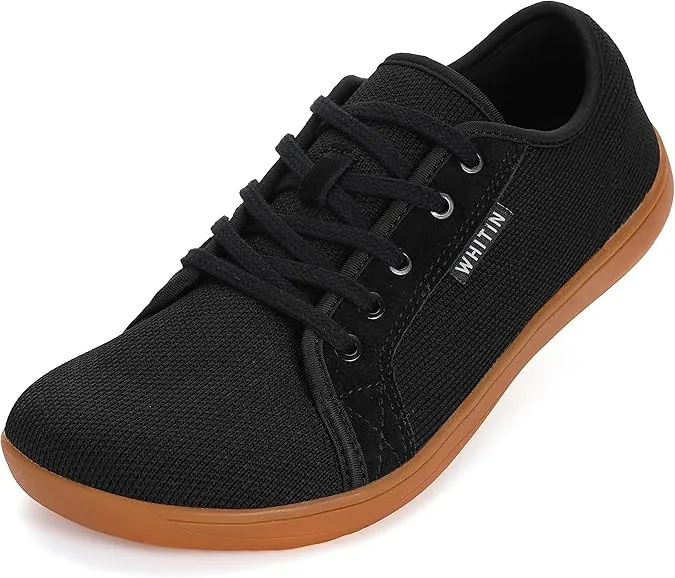
WHITIN Men’s Wide Minimalist
Specifications
- Drop: 0 mm (Zero Drop)
- Weight: Approx. 9 oz
- Upper: Breathable synthetic mesh
- Outsole: Flexible rubber
- Toe Box: Extra-wide
- Best For: Walking, gym, casual daily wear
Pros
- Very affordable
- Extra-wide toe box
- Flexible and comfortable
- Good for beginners
Cons
- Basic outsole traction
- Less durable than premium brands
The WHITIN Men’s Wide Minimalist shoe is one of the best budget-friendly barefoot options available. This shoe is ideal for anyone who wants to try minimalist footwear without spending a lot. It features a zero-drop platform, flexible sole, and extra-wide toe box that supports natural foot movement and comfort throughout the day.
One of the biggest advantages of this shoe is its roomy fit, which works especially well for people with wide feet or those who experience discomfort in narrow traditional shoes. The flexible sole allows your foot to bend and move naturally, helping strengthen foot muscles over time while maintaining good ground awareness.
Best for the Gym
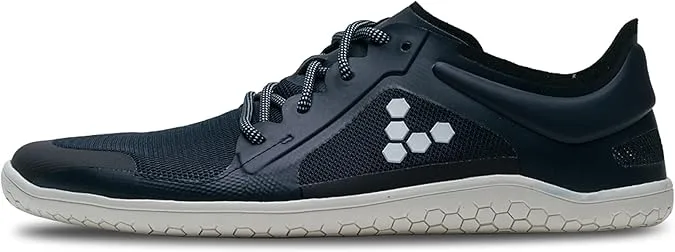
Vivobarefoot Primus Lite III
Specifications
- Drop: 0 mm (Zero Drop)
- Weight: Approx. 7.5 oz
- Upper: Breathable recycled mesh
- Outsole: Thin, flexible rubber sole
- Toe Box: Wide, foot-shaped
- Best For: Gym training, lifting, daily wear
Pros
- Excellent ground feel and stability
- Lightweight and flexible
- Ideal for strength training
- Sustainable materials
Cons
- Minimal cushioning for running
- Premium price point
The Vivobarefoot Primus Lite III is a premium barefoot shoe designed for gym training, functional workouts, and everyday movement. This is especially known for its ultra-thin sole and flexible design. This shoe delivers excellent ground feel and stability, making it a favorite among athletes and minimalist footwear enthusiasts.
One of the biggest strengths of the Primus Lite III is its exceptional underfoot feedback. The thin sole keeps you closely connected to the ground, which improves balance and control during lifting, HIIT workouts, and bodyweight training. Unlike cushioned trainers, it provides a stable base that helps promote proper form and natural movement patterns.
Top Men’s Toe-Style Barefoot Shoe
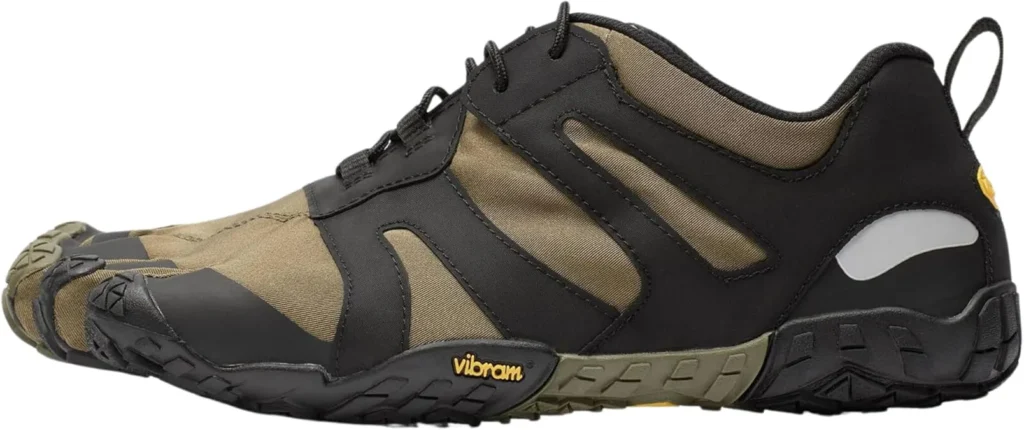
Vibram V-Trail 2.0
Specifications
- Drop: 0 mm (Zero Drop)
- Weight: Approx. 8 oz
- Upper: Durable mesh with protective overlays
- Outsole: Vibram Megagrip Litebase
- Toe Box: Individual toe pockets
- Best For: Trail running, hiking, experienced barefoot users
Pros
- Excellent ground feel and control
- Strong traction on trails
- Individual toe movement improves balance
- Lightweight and flexible
Cons
- Toe design takes time to adjust
- Not ideal for casual wear
The Vibram V-Trail 2.0 is a unique barefoot shoe designed for men who want maximum ground feel and individual toe movement, especially on trails. With its five-toe design and ultra-flexible sole, this shoe allows each toe to move independently, improving balance, grip, and natural foot mechanics. It’s especially popular among experienced barefoot runners and hikers.
What sets the V-Trail 2.0 apart is its exceptional trail feedback and control. The thin yet durable outsole provides excellent ground awareness while still offering protection from sharp rocks and uneven surfaces. A built-in rock plate adds underfoot protection, making it more trail-capable than many other minimalist shoes.
Best Running Barefoot Shoe
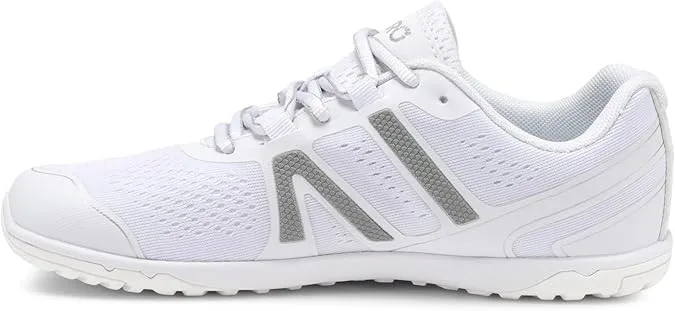
Xero Shoes HFS II – Women’s
Specifications
- Drop: 0 mm (Zero Drop)
- Weight: Approx. 6.5 oz (Women’s)
- Upper: Breathable mesh
- Outsole: FeelTrue rubber
- Toe Box: Wide, foot-shaped
- Best For: Running, walking, everyday wear
Pros
- Lightweight and flexible
- Excellent ground feel for running
- Comfortable fit for longer runs
- Versatile for multiple activities
Cons
- Minimal cushioning on hard surfaces
- Less protection on rocky trails
The Xero Shoes HFS II (Women’s) is a top choice for women who want a lightweight, flexible barefoot shoe designed specifically for running. It offers a true zero-drop platform and a thin, responsive sole that encourages natural foot movement while still providing enough protection for road running and light trail use.
What makes the HFS II stand out for running is its balanced ground feel and smooth ride. The sole is thin enough to keep you connected to the ground but not so minimal that it feels harsh on pavement. This makes it a great option for women transitioning to barefoot running who want control, feedback, and comfort without excessive impact.
The breathable mesh upper keeps the shoe light and airy, helping prevent overheating during longer runs. It fits securely through the midfoot while allowing natural toe splay, which improves stability and comfort as mileage increases. The flexible outsole also works well for walking, treadmill use, and casual daily wear.
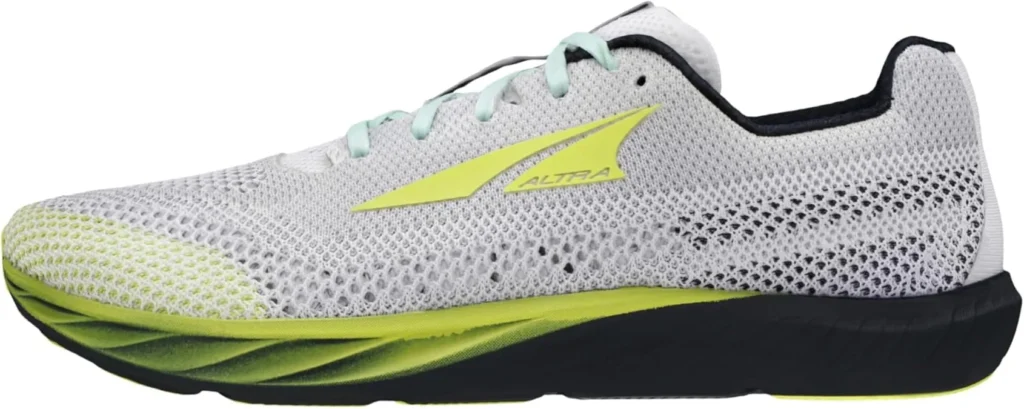
Altra Escalante Racer 2
Specifications
- Drop: 0 mm (Zero Drop)
- Weight: Approx. 6.8 oz
- Upper: Breathable knit mesh
- Midsole: Lightweight responsive foam
- Toe Box: Foot-shaped, wide
- Best For: Running, gym training, daily wear
Pros
- Zero-drop with natural foot positioning
- Lightweight and responsive feel
- Comfortable toe box
- Versatile for running and training
Cons
- More cushioning than strict barefoot shoes
- Less traction for trail use
The Altra Escalante Racer 2 is a lightweight, performance-focused shoe that blends barefoot-inspired design with just enough cushioning for faster runs and workouts. While it’s not a true barefoot shoe in the strictest sense, it offers a zero-drop platform and wide toe box, making it a popular choice for runners who want natural foot positioning with a bit more underfoot comfort.
What stands out most is the shoe’s responsive and energetic ride. The midsole provides light cushioning that helps reduce impact during faster runs without taking away ground awareness. This makes it a great option for tempo runs, treadmill workouts, and gym training where some protection is welcome but bulky cushioning isn’t.
The breathable knit upper fits snugly around the foot while allowing toes to spread naturally. It feels secure during quick movements and transitions, making it suitable for running, cross-training, and everyday wear. The flexible outsole supports natural foot movement while maintaining durability on pavement and indoor surfaces.
How We Tested the Best Barefoot Shoes
To identify the best barefoot shoes, we conducted hands-on testing across real-world conditions rather than relying on brand claims or lab specs. We tested 25 to 30 barefoot shoe models, wearing each pair during walking, running, gym training, and everyday use to see how they performed over time. This approach allowed us to evaluate how well each shoe supported natural foot movement and barefoot principles.
Each shoe was worn for multiple sessions and extended periods, including pavement walks, light trail runs, indoor workouts, and daily activities. We paid close attention to how quickly users adapted to each shoe, how the soles flexed during movement, and whether the design encouraged proper foot alignment and toe splay. Shoes that caused discomfort, restricted movement, or failed to deliver a true barefoot feel were removed from consideration.
We also tested performance across five essential metrics: underfoot ground feel, stability, traction, durability, and weight. This helped us fairly compare minimalist designs that look similar on paper but perform very differently in real use. Only barefoot shoes that consistently delivered comfort, flexibility, and reliable performance earned a place in our final list.
Our testing team included users with different foot shapes, activity levels, and barefoot experience, from beginners to long-time minimalist runners. By combining diverse feedback with real-world testing, we created a list of barefoot shoes you can trust for natural movement, comfort, and long-term use.
Our testing process measures every Barefoot Shoe through five essential metrics:
- Underfoot Ground Feel
- Stability
- Traction
- Durability
- Weight
How to Choose the Best Barefoot Shoes
Choosing the best barefoot shoes requires a different mindset than shopping for traditional athletic footwear. Barefoot shoes are designed to support natural foot mechanics, not to correct or control your movement with cushioning and structure. The right pair should feel light, flexible, and comfortable while allowing your feet to move, bend, and stabilize themselves naturally. Paying attention to the core features below will help you choose barefoot shoes that match your lifestyle, activity level, and foot shape.
What to Look for in Barefoot Shoes
When choosing barefoot shoes, it’s important to focus on features that support natural foot movement rather than artificial support. Unlike traditional footwear, barefoot shoes should feel light, flexible, and unrestricted. The right pair will encourage proper alignment, improve balance, and help strengthen your feet over time. Below are the key elements to look for when selecting barefoot footwear.
What Is a Barefoot Shoe?
A barefoot shoe is built to replicate the sensation of walking or running barefoot while still offering protection from rough surfaces. These shoes use minimal cushioning, lightweight materials, and simple construction to keep your feet close to the ground. Unlike conventional shoes, barefoot footwear avoids built-in arch support and motion-control features, allowing the foot’s natural muscles and joints to do the work. Over time, this can help improve balance, strengthen foot muscles, and promote healthier movement patterns.
Wide Toebox
A wide toe box is essential in barefoot shoes because it allows your toes to spread naturally with each step. This natural toe splay improves balance, stability, and weight distribution across the foot. Narrow shoes restrict toe movement and can contribute to discomfort, bunions, and reduced foot strength. A properly shaped toe box is especially beneficial for people with wide feet, foot sensitivity, or those transitioning from traditional footwear.
Flexible Sole
Flexibility is one of the defining characteristics of a true barefoot shoe. The sole should bend, twist, and move easily with your foot, allowing full freedom of motion. A flexible sole improves ground awareness, helps your foot adapt to different surfaces, and encourages natural strengthening of the foot and ankle muscles. Shoes that are too stiff limit movement and reduce the benefits of barefoot footwear.
Zero Drop
Zero drop means the heel and forefoot sit at the same height, keeping your body in a more natural, upright alignment. This design promotes a balanced walking and running posture and reduces unnatural forward lean caused by raised heels. While zero-drop shoes may feel different at first, especially if you’re used to cushioned footwear, they help distribute impact more evenly across the foot when used properly.
Low Stack Height
Low stack height refers to having a thin sole between your foot and the ground. This allows for better ground feel and sensory feedback, helping your feet respond quickly to changes in terrain. Improved ground awareness enhances balance and control, which is especially helpful for walking, running, and training. While barefoot shoes don’t offer heavy cushioning, the low stack height still provides enough protection to prevent injury from sharp or uneven surfaces.
Why Trust Outdoor Searcher
At Outdoor Searcher, our recommendations are built on real-world testing, not marketing claims. We don’t just research barefoot shoes, we wear them. Every model featured in this guide was tested through daily walking, running, gym training, and extended wear to see how it actually performs when your feet are doing the work.
Our team includes testers with different foot shapes, activity levels, and barefoot experience, from beginners transitioning out of cushioned shoes to experienced minimalist runners. This variety helps ensure our reviews reflect real user needs, not one-size-fits-all opinions. We carefully evaluate flexibility, ground feel, durability, traction, and long-term comfort before making any recommendation.
We focus on honest, practical advice that helps you choose footwear you can trust. No hype, just clear insights based on hands-on testing and real results. When Outdoor Searcher recommends a barefoot shoe, it’s because it has proven itself in everyday use and supported natural movement the way barefoot footwear should.
Performance Analysis and Test Results:
Our performance analysis is based on hands-on testing in real-world conditions, not lab-only measurements or marketing specs. Each barefoot shoe was worn during walking, running, gym training, and daily activities to see how it performed over time. We focused on how naturally the shoe allowed the foot to move while still offering protection, durability, and comfort.
Underfoot Ground Feel
Ground feel is one of the most important aspects of a barefoot shoe. We tested how well each shoe allowed the wearer to sense the surface beneath their feet while walking and running. Shoes with thin, flexible soles scored highest, as they provided clear feedback from the ground without causing discomfort. Good ground feel improves balance, foot awareness, and natural movement.
Stability
Stability was evaluated by how secure the foot felt during movement, especially during quick direction changes and uneven surfaces. Barefoot shoes with wide toe boxes, zero-drop platforms, and flexible soles offered better natural stability by allowing the foot to spread and grip the ground. Shoes that felt restrictive or unstable scored lower.
Traction
Traction testing focused on grip across pavement, gym floors, light trails, and mixed surfaces. Shoes with quality rubber outsoles and well-designed tread patterns performed best, offering reliable grip without sacrificing flexibility. Strong traction helped maintain confidence during workouts, walking, and light off-road use.
Durability
Durability was measured by observing wear and tear after extended use. We looked for sole wear, upper breakdown, stitching quality, and how well the shoe maintained its structure over time. Shoes built with durable materials and reinforced high-wear areas held up best, even with frequent use
Weight
Weight plays a big role in barefoot comfort and performance. Lightweight shoes felt more natural and reduced fatigue during long walks or workouts. The best barefoot shoes balance minimal weight with enough material to remain durable and protective, delivering freedom of movement without feeling flimsy.
Conclusion
Barefoot shoes offer a unique way to move that prioritizes natural foot function, balance, and freedom of movement. After extensive hands-on testing, it’s clear that the best barefoot shoes are not about cushioning or control, but about flexibility, ground feel, and comfort that allows your feet to work the way they were designed to. Whether you’re walking, running, training, or wearing them daily, the right barefoot shoe can help improve posture, strengthen foot muscles, and enhance overall movement quality.
The models featured in this guide stand out for different reasons. Shoes like the Merrell Trail Glove 7 and Xero HFS II deliver excellent all-around barefoot performance, while options such as the Vivobarefoot Primus Lite III excel in gym and training environments. Budget-friendly picks like WHITIN and beginner options like AIRHAS make barefoot footwear more accessible, while models like Vibram V-Trail 2.0 offer maximum ground feel and control for experienced users.
Ultimately, the best barefoot shoe is the one that matches your activity level, foot shape, and comfort preferences. By choosing a shoe with a wide toe box, zero-drop platform, flexible sole, and low stack height, you’ll enjoy a more natural and connected experience with the ground. With the right pair, barefoot shoes can transform how you move, helping you walk, run, and train more efficiently and comfortably every day
FAQs
What are barefoot shoes used for?
Barefoot shoes are designed to support natural foot movement while still protecting your feet from rough surfaces. They are commonly used for walking, running, gym training, light trail use, and everyday wear. By allowing your feet to move freely, barefoot shoes help improve balance, posture, and foot strength over time.
Are barefoot shoes good for beginners?
Yes, barefoot shoes can be great for beginners, but it’s important to transition gradually. Beginners should start with short walks or light daily use and slowly increase wear time. Beginner-friendly models with slightly more protection, such as AIRHAS or WHITIN, are often easier to adapt to than ultra-minimal designs.
Do barefoot shoes have arch support?
No, barefoot shoes typically do not include built-in arch support. This is intentional, as they are designed to let your foot’s natural muscles provide support. Over time, this can help strengthen the arches, but it may take an adjustment period if you’re used to supportive or cushioned shoes.
Can I run in barefoot shoes?
Yes, many barefoot shoes are designed for running, but proper technique and gradual adaptation are key. Barefoot running encourages a lighter stride and midfoot or forefoot landing. Shoes like the Xero HFS II or Merrell Vapor Glove 6 are popular choices for barefoot-style running.
Are barefoot shoes good for the gym?
Barefoot shoes work very well in the gym, especially for lifting, functional training, and balance exercises. Their flat, stable base and thin soles improve ground contact and control. Models like the Vivobarefoot Primus Lite III are especially popular for gym use.
Do barefoot shoes help with foot pain?
For many people, barefoot shoes can help reduce certain foot issues by promoting natural movement and strengthening foot muscles. However, results vary, and those with existing conditions should transition slowly. If you have chronic pain or medical concerns, it’s best to consult a healthcare professional.
How long do barefoot shoes last?
Durability depends on the brand, materials, and how often they’re used. On average, barefoot shoes can last 300–600 miles for running or several months to years for walking and daily wear. Shoes with higher-quality rubber outsoles and reinforced uppers tend to last longer.
Can I wear barefoot shoes all day?
Yes, many people wear barefoot shoes all day once fully adapted. The key is choosing a model that fits well and suits your activity level. During the transition phase, it’s best to alternate barefoot shoes with regular footwear to avoid overuse discomfort.