We tested and reviewed 20+ soft cooler products across different categories, sizes, and price ranges.
Finding the best soft coolers in 2026 is not just about brand names or price tags. With so many options available, the real difference comes down to insulation performance, build quality, portability, and how well a cooler fits into real-life use. From daily lunch needs to camping trips and road adventures, soft coolers have become the preferred choice for people who want flexibility without sacrificing cooling efficiency.
Each cooler was evaluated individually under real-world conditions, focusing on ice retention, comfort, durability, and ease of use. After hands-on testing and side-by-side comparisons, we narrowed the list down to the top performers that consistently delivered reliable results.
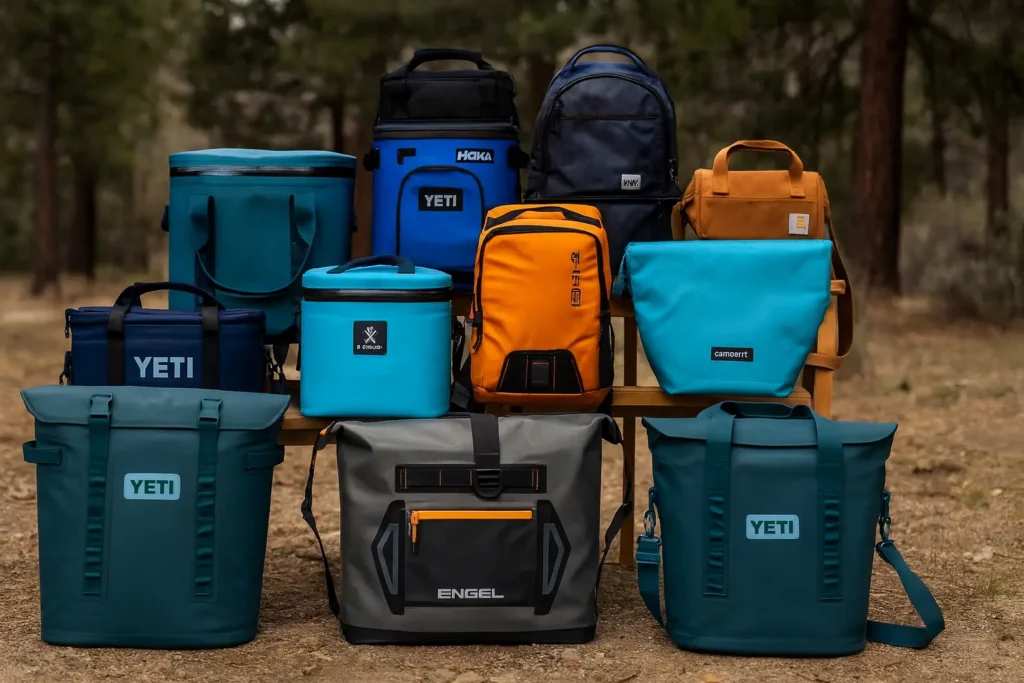
The coolers featured in this roundup, including options from AO Coolers, YETI, RTIC, Coleman, Lifewit, and Arctic Zone, were selected because they outperformed others in at least one key area. While many users also consider the Electric Coolers for long-distance travel and powered cooling, these soft coolers proved to be more practical for everyday use, short trips, and outdoor activities. Whether it was superior insulation, budget-friendly value, eco-friendly design, or everyday practicality, each product earned its place based on measurable performance rather than marketing claims.
Buy the Best Soft Coolers Reviews
When it comes to keeping food and drinks cold on the go, no single soft cooler works for everyone. Some people need maximum ice retention for camping and road trips, while others want a lightweight lunch cooler for daily use or a backpack-style option for outdoor adventures. In 2026, the best soft coolers combine strong insulation, durability, portability, and smart design to match different lifestyles and budgets.
Our top overall pick is the AO Coolers 24 Pack Canvas Cooler, which delivers excellent cooling performance with a rugged yet lightweight build. For those shopping on a budget, the Arctic Zone Titan Deep Freeze 30 offers impressive insulation at an affordable price. If premium performance is your priority, the YETI Hopper Flip 18 stands out for its leakproof design and long-lasting ice retention. Travelers and hikers will appreciate the hands-free comfort of the YETI M20 2.0 Backpack Soft Cooler, while everyday users may prefer the Lifewit Large Insulated 24 for lunches and short outings.
Top Picks For Best Soft Coolers
Best Overall Soft Cooler
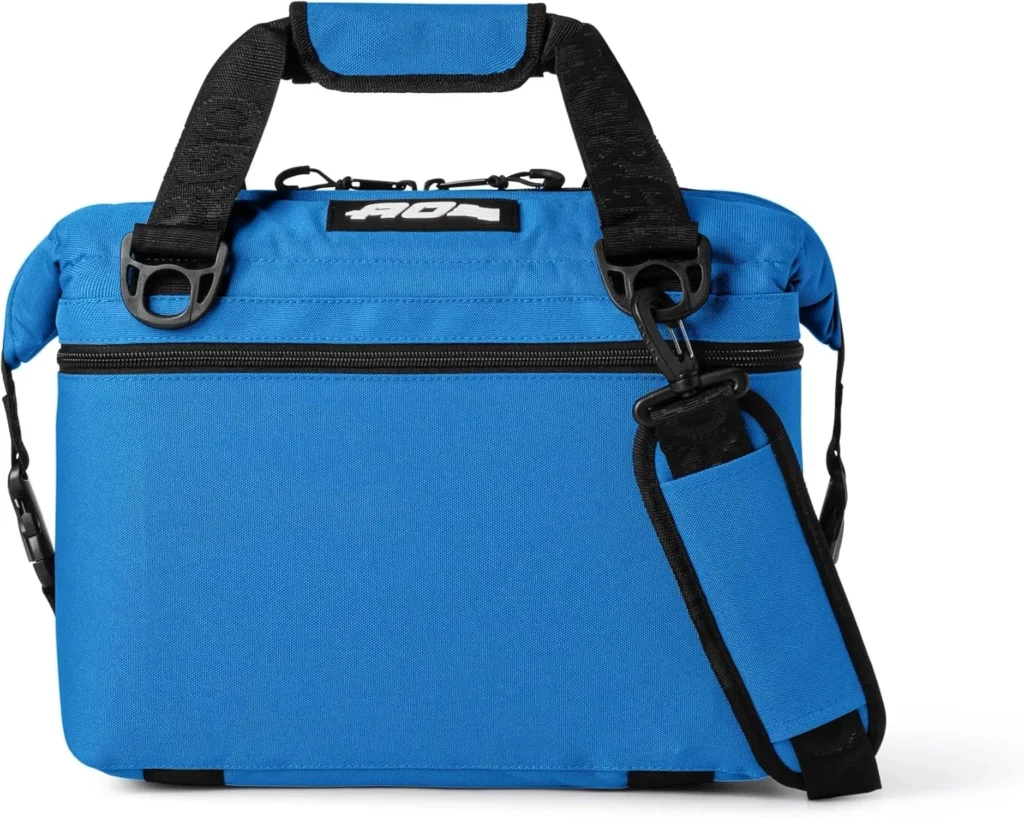
AO Coolers 24 Pack Canvas Cooler
Specifications
- Capacity: 24 cans plus ice
- Insulation: High-density foam with TPU liner
- Material: Heavy-duty canvas exterior
- Ice Retention: Up to 24 hours in proper conditions
- Closure Type: Zipper
- Carry Options: Adjustable shoulder strap
- Weight: Lightweight design for easy transport
REASONS TO BUY
- Excellent ice retention for a soft cooler
- Durable canvas build
- Lightweight and easy to carry
- Simple, no-nonsense design
REASONS TO AVOID
- The zipper is not fully leakproof
- Limited exterior pockets
The AO Coolers 24 Pack Canvas Cooler earns its spot as the best overall soft cooler thanks to its strong insulation, simple design, and dependable real-world performance. It is built for people who want a cooler that works equally well for camping trips, beach days, fishing, or weekend road adventures without feeling bulky or overdesigned.
What really sets this cooler apart is its ability to keep ice frozen for long hours while remaining lightweight and easy to carry. The soft-sided canvas exterior feels tough enough for outdoor use, yet flexible enough to fit easily in car trunks and tight spaces. It does not rely on flashy features, but instead focuses on doing the basics extremely well.
For users who want a reliable alternative to bulky hard coolers or powered options like electric models, the AO Coolers 24 Pack delivers consistent cooling performance with minimal effort. It strikes a great balance between durability, capacity, and portability, making it a top choice for most everyday cooling needs.
Best Budget Soft Cooler
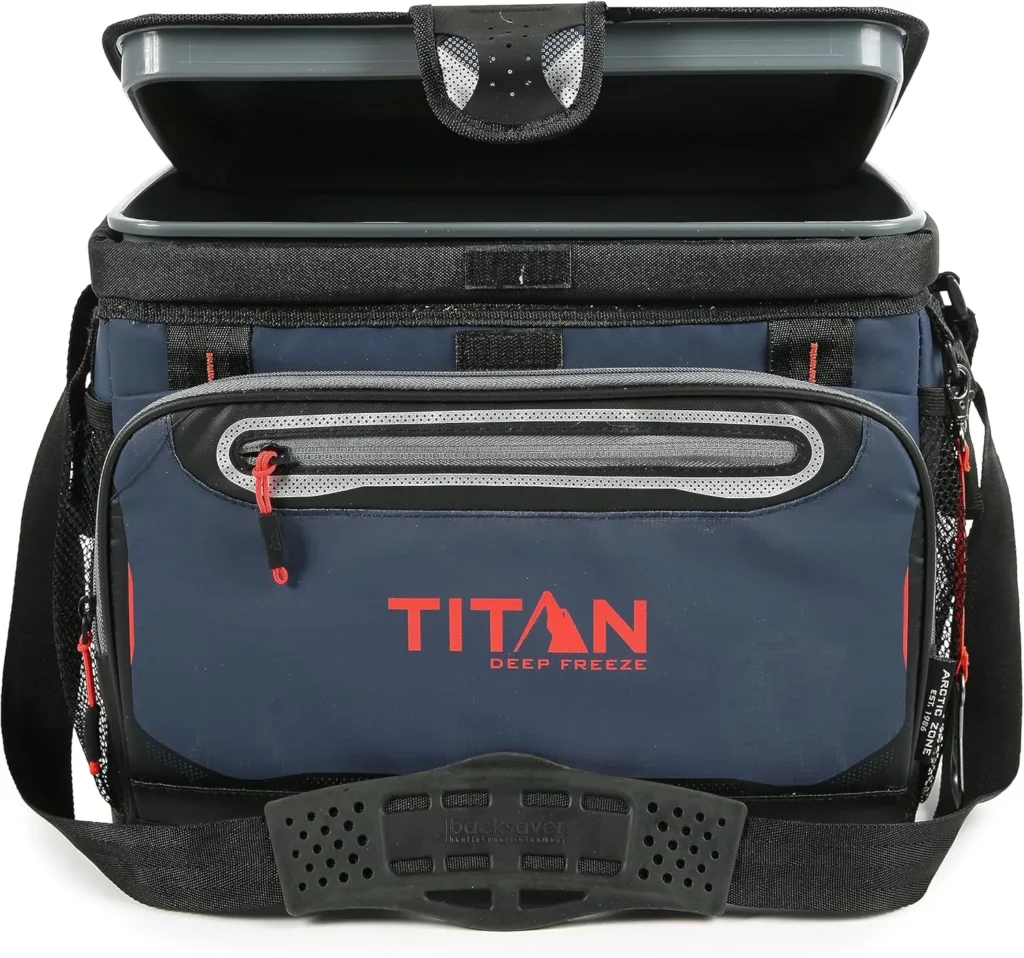
Arctic Zone Titan Deep Freeze 30
Specifications
- Capacity: 30 cans plus ice
- Insulation: Deep Freeze high-performance insulation
- Liner: Removable hard liner with SmartShelf
- Material: Durable polyester exterior
- Ice Retention: Up to 24 hours
- Closure Type: Zipper
- Carry Options: Adjustable shoulder strap
- Weight: Lightweight for its size
REASONS TO BUY
- Excellent value for money
- Strong insulation for a budget cooler
- Removable hard liner adds structure
- Easy to clean interior
REASONS TO AVOID
- Bulkier than premium soft coolers
- Not fully leakproof
The Arctic Zone Titan Deep Freeze 30 is an excellent choice for anyone looking for solid cooling performance without spending too much. Designed with value in mind, this soft cooler delivers reliable insulation and practical features that make it ideal for picnics, day trips, grocery runs, and casual outdoor use.
One of its standout features is the Deep Freeze insulation combined with a hard liner, which helps keep food and drinks cold longer than many budget coolers. Despite its affordable price, the cooler feels sturdy and well-constructed, with reinforced stitching and a structured shape that holds up well during regular use.
If you want a dependable alternative to expensive premium models or powered options like electric coolers, the Arctic Zone Titan Deep Freeze 30 offers impressive performance for the price. It may not have the luxury feel of high-end brands, but it gets the job done where it matters most.
Top Choice Overall
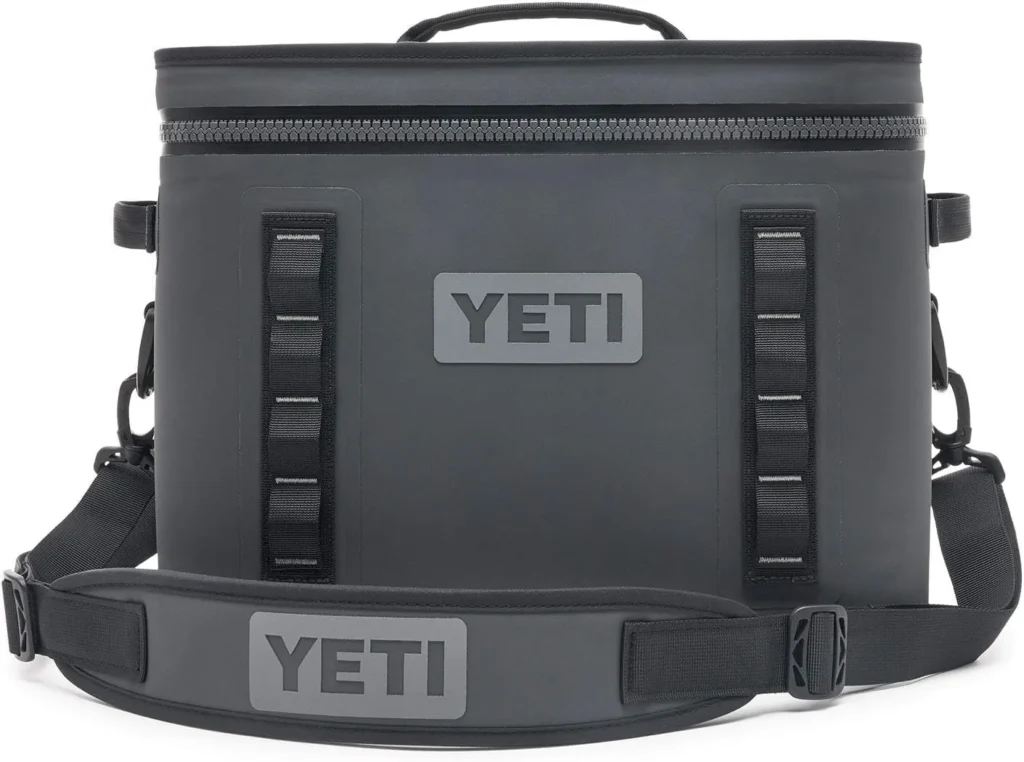
Yeti Hopper Flip 18
Specifications
- Capacity: 18 cans plus ice
- Insulation: Thick closed-cell foam insulation
- Material: High-density fabric with waterproof coating
- Ice Retention: Up to 2 days under ideal conditions
- Closure Type: HydroLok leakproof zipper
- Carry Options: Shoulder strap and grab handles
- Weight: Heavier than average due to insulation
REASONS TO BUY
- Outstanding ice retention
- Fully leakproof design
- Extremely durable construction
- Wide mouth opening for easy access
REASONS TO AVOID
- Expensive compared to other soft coolers
- Heavier than budget models
The YETI Hopper Flip 18 is built for users who want premium performance and long-lasting durability in a compact soft cooler. Known for its tough construction and excellent ice retention, this cooler is designed to handle rough outdoor conditions while keeping food and drinks cold for extended periods.
Its wide mouth opening makes packing and accessing items easy, while the thick insulation and leakproof design help maintain consistent temperatures even in hot weather. The rugged exterior resists punctures and abrasion, making it a reliable choice for camping, fishing, and outdoor events where standard soft coolers may fall short.
Although it comes at a higher price point, the YETI Hopper Flip 18 justifies the cost with dependable performance and build quality. For those who want a cooler that can outlast years of use and serve as a strong alternative to bulky hard coolers or powered electric options, this model stands out as a top-tier choice.
Best Backpack Cooler
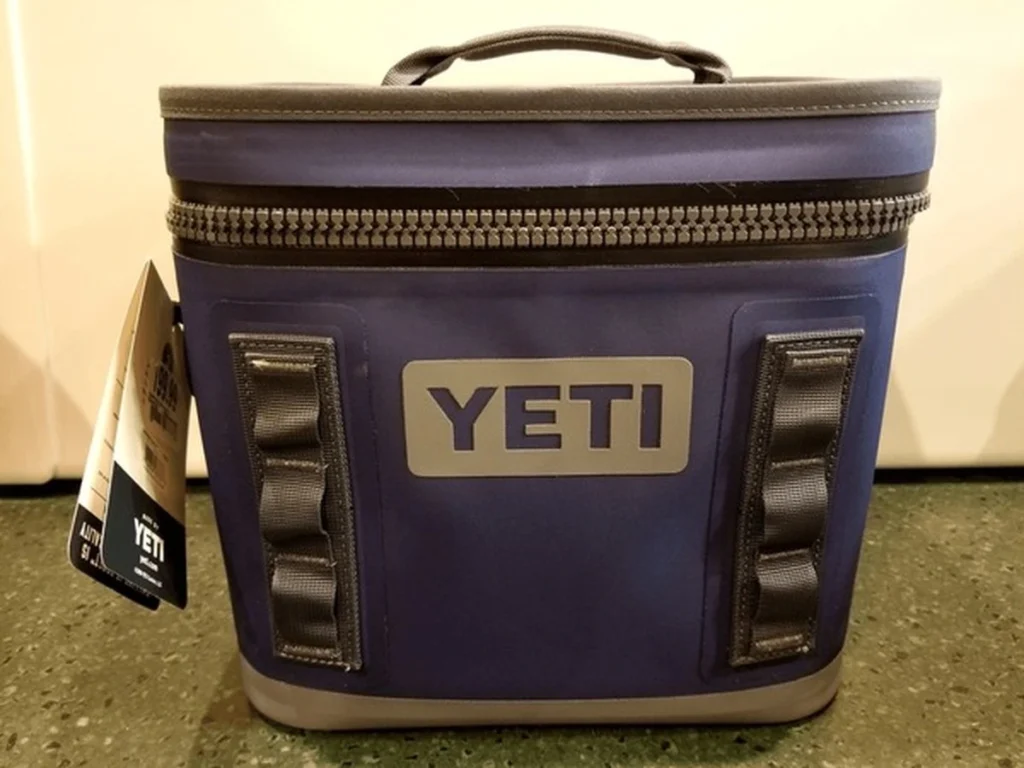
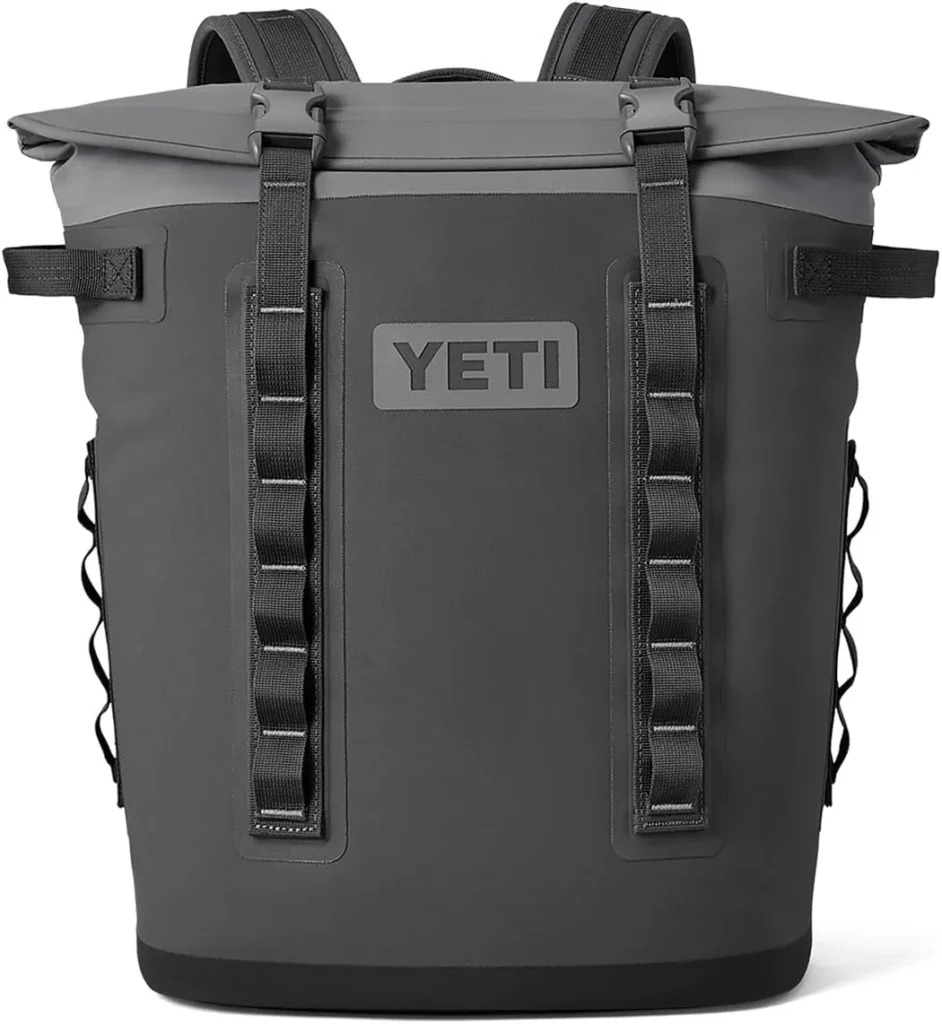
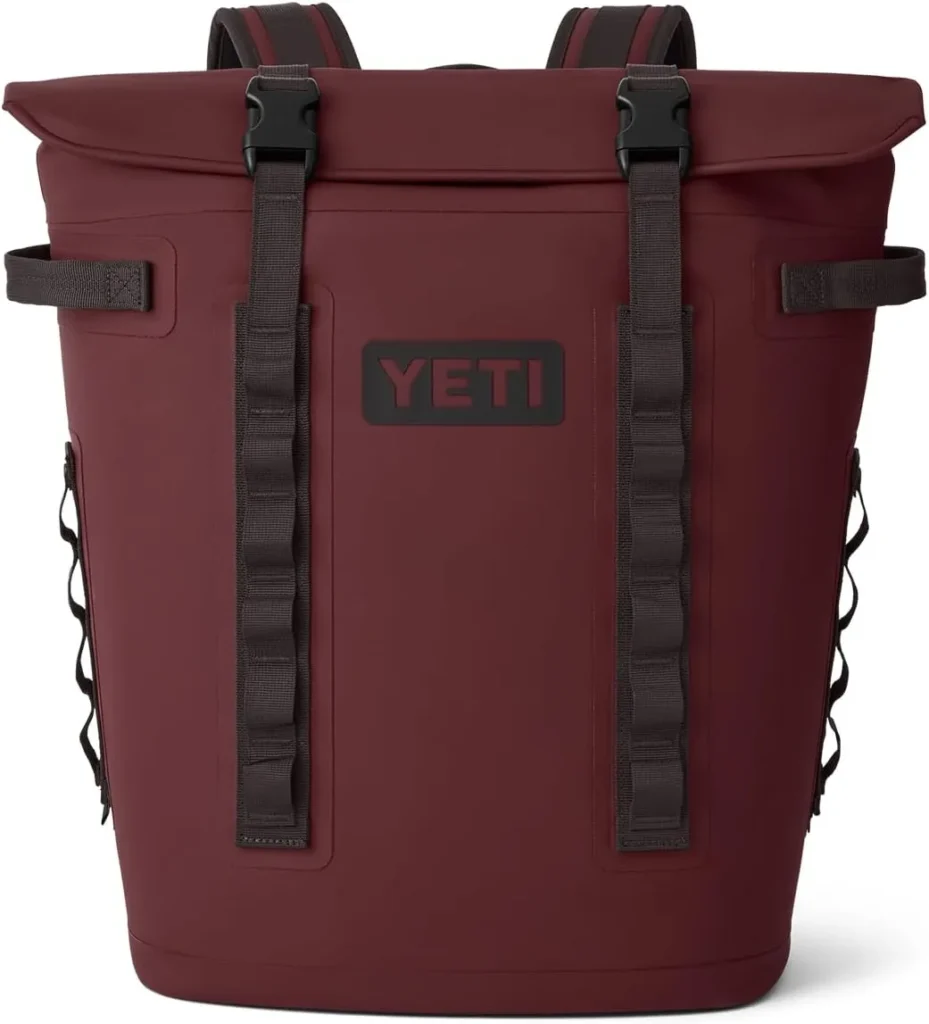
YETI M20 2.0 Backpack Soft Cooler
Specifications
- Capacity: 18 cans plus ice
- Insulation: Thick closed-cell foam
- Material: High-strength waterproof fabric
- Ice Retention: Up to 2 days in ideal conditions
- Closure Type: Magnetic HydroShield opening
- Carry Options: Adjustable padded backpack straps
- Weight: Moderately heavy due to insulation
REASONS TO BUY
- Comfortable hands-free backpack design
- Excellent ice retention
- Durable and weather-resistant build
- Easy access magnetic closure
REASONS TO AVOID
- High price point
- Takes time to dry after cleaning
The YETI M20 2.0 Backpack Soft Cooler is designed for people who need hands-free carrying without compromising cooling performance. It is especially well-suited for hiking, beach trips, festivals, and long walks where traditional shoulder strap coolers become uncomfortable. The backpack-style design distributes weight evenly, making it easier to carry for extended periods.
This cooler features YETI’s updated magnetic closure system, which provides quick access while maintaining strong insulation. The thick walls and rugged construction help keep ice frozen for long hours, even in warm conditions. Its durable exterior resists punctures and wear, making it a dependable choice for outdoor use.
While it sits at the premium end of the price range, the YETI M20 2.0 delivers excellent performance, comfort, and durability. For users who value mobility and cold retention in a backpack format, this cooler stands out as one of the best soft coolers of 2026.
Best Soft Lunchbox
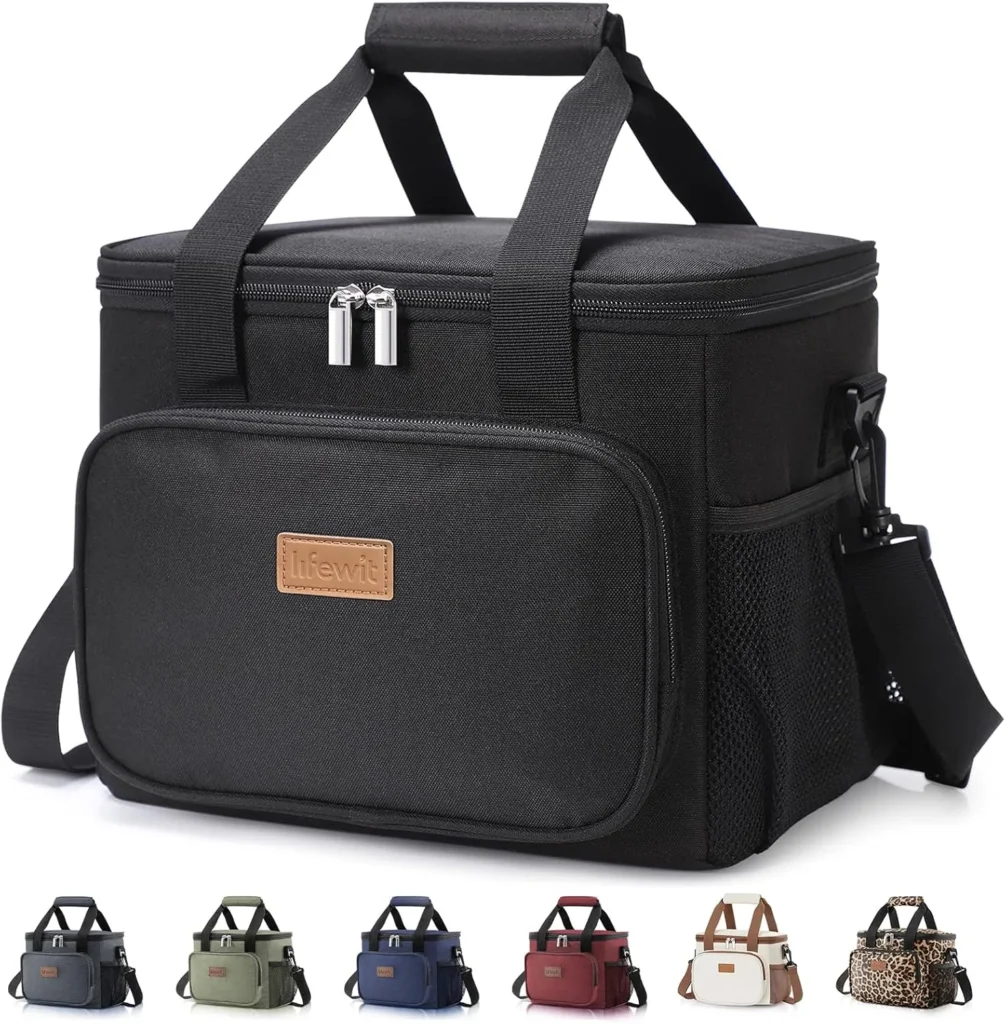
Lifewit Large Insulated 24
Specifications
- Capacity: 24 cans
- Insulation: Thick foam insulation
- Material: Durable polyester fabric
- Liner: Leak-resistant PEVA lining
- Closure Type: Zipper
- Carry Options: Top handles and shoulder strap
- Weight: Lightweight and easy to carry
REASONS TO BUY
- Great for daily lunch use
- Lightweight and easy to carry
- Good insulation for short durations
- Affordable price
REASONS TO AVOID
- Not ideal for multi-day ice retention
- The zipper is not waterproof
The Lifewit Large Insulated 24 is a practical and affordable soft cooler designed for everyday use. It works especially well as a lunchbox for work, school, or short trips, offering enough space for meals, drinks, and snacks without feeling bulky or heavy.
This cooler features thick insulation and a leak-resistant liner that helps maintain food temperature for several hours. Its lightweight design and comfortable carrying handles make it easy to use on a daily basis. Multiple pockets also add convenience, allowing you to store utensils, napkins, or small personal items.
For users who do not need extreme ice retention but want reliable performance for daily routines, the Lifewit Large Insulated 24 delivers excellent value. It is a simple, functional choice that fits well into busy lifestyles.
Best Insulation Cooler
Yeti Hopper M20 Backpack
Specifications
- Capacity: 18 cans plus ice
- Insulation: Extra-thick closed-cell foam
- Material: High-density waterproof fabric
- Ice Retention: Up to 2 days in optimal conditions
- Closure Type: Magnetic HydroShield opening
- Carry Options: Padded backpack straps
- Weight: Heavier due to insulation thickness
REASONS TO BUY
- Exceptional insulation performance
- Comfortable backpack carrying system
- Durable and waterproof exterior
- Easy access closure system
REASONS TO AVOID
- Expensive
- Heavier than standard soft coolers
The YETI Hopper M20 Backpack is built for users who prioritize maximum insulation and long-lasting cold retention in a soft cooler. Designed for extended outdoor use, it performs exceptionally well in hot environments where keeping ice frozen is critical. The backpack design also makes it easier to carry heavier loads comfortably.
This cooler features thick insulation walls and a secure magnetic closure that helps lock in cold air while allowing quick access. The rugged exterior fabric is puncture-resistant and waterproof, making it suitable for beach trips, camping, and long days outdoors. Even when fully loaded, the weight distribution remains balanced on the shoulders.
Although it comes at a premium price, the YETI Hopper M20 Backpack justifies the cost with industry-leading insulation and durability. For those who want one of the best-performing soft coolers available in 2025, this model delivers outstanding results.
Best Cooler For Road Trips
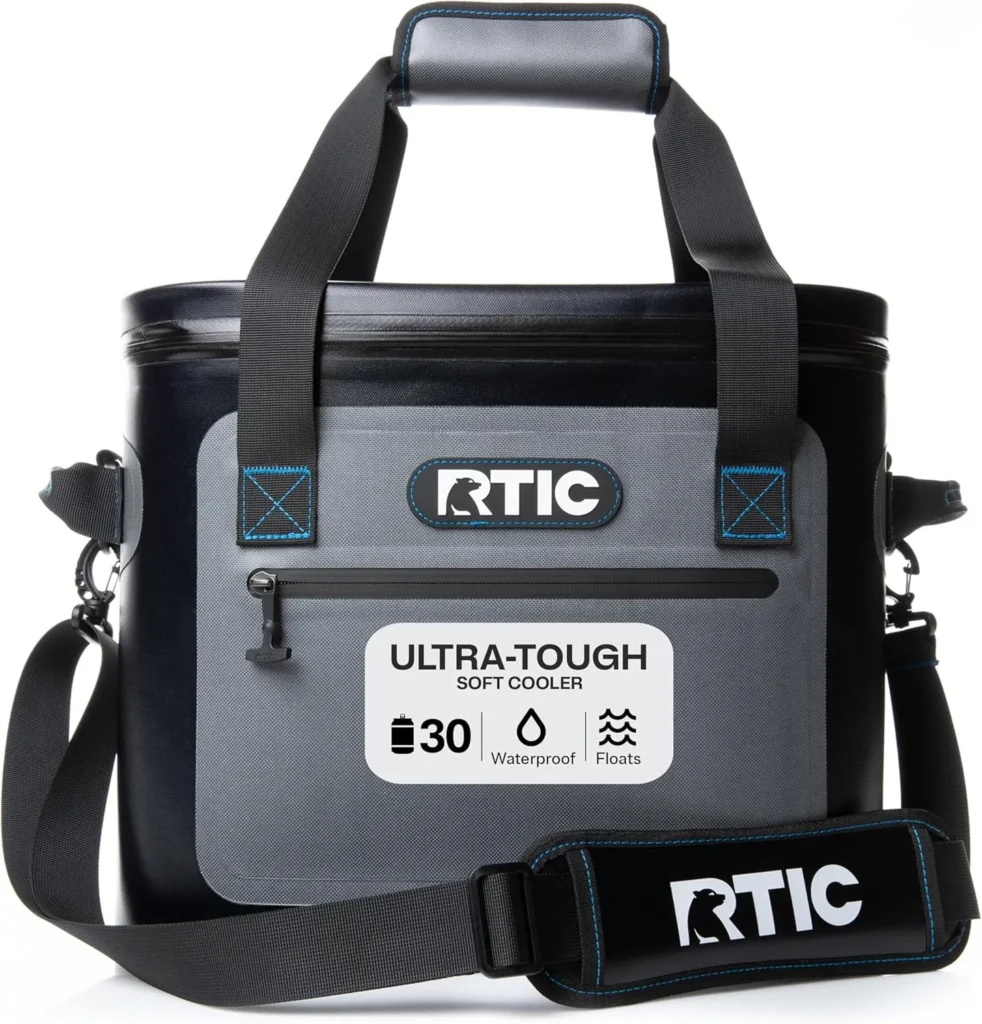
RTIC Soft Pack 30
Specifications
- Capacity: 30 cans plus ice
- Insulation: Thick closed-cell foam
- Material: Heavy-duty nylon with waterproof lining
- Ice Retention: Up to 2 days in ideal conditions
- Closure Type: Heavy-duty zipper
- Carry Options: Shoulder strap and side handles
- Weight: Moderately heavy
REASONS TO BUY
- Large capacity for group use
- Strong insulation performance
- Durable build quality
- Good value for size
REASONS TO AVOID
- The zipper requires effort to open
- Slightly bulky when fully packed
The RTIC Soft Pack 30 is a dependable soft cooler designed for longer trips where capacity and cooling performance matter. Its roomy interior makes it ideal for road trips, picnics, and weekend getaways, especially when multiple people need cold food and drinks within easy reach.
This cooler uses thick insulation and a heavy-duty zipper to maintain cold temperatures for extended hours. The compact rectangular shape fits well in car trunks and back seats, while the reinforced handles and shoulder strap make it easy to carry in and out of vehicles. It offers a good balance between size and portability without becoming awkward to handle.
For travelers who want a strong alternative to bulky hard coolers or powered electric models, the RTIC Soft Pack 30 delivers reliable performance at a more accessible price. It is a solid choice for those who need space, durability, and consistent cooling on the road.
Eco-Friendly Cooler
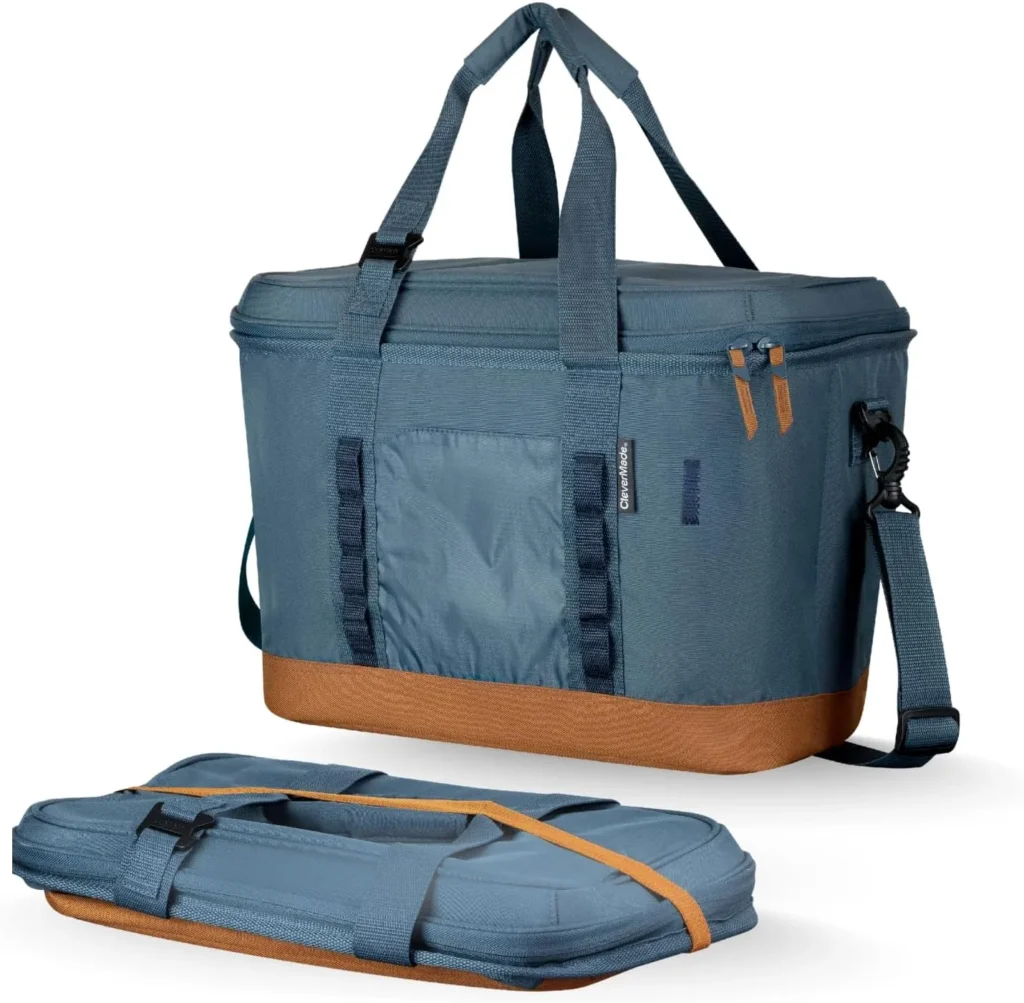
CleverMade Pacifica Collapsible Bag 30
Specifications
- Capacity: 30 cans
- Insulation: Insulated thermal lining
- Material: Recycled polyester fabric
- Design: Fully collapsible structure
- Closure Type: Zipper
- Carry Options: Reinforced handles
- Weight: Very lightweight
REASONS TO BUY
- Eco-friendly materials
- Collapsible and space-saving
- Lightweight and easy to store
- Good for everyday use
REASONS TO AVOID
- Not ideal for long ice retention
- Less rugged than premium models
The CleverMade Pacifica Collapsible Bag 30 is a smart choice for users who want a soft cooler that is both functional and environmentally conscious. Designed with sustainability in mind, it uses recycled materials while still offering reliable cooling for everyday outings, grocery runs, and casual trips.
What makes this cooler stand out is its collapsible design. When not in use, it folds down flat, saving valuable storage space. Despite its lightweight build, the insulation performs well for short to medium durations, keeping food and drinks cool during errands or outdoor gatherings.
For eco-minded shoppers who value convenience and storage efficiency, the CleverMade Pacifica delivers practical performance without unnecessary bulk. It may not match heavy-duty coolers for extreme conditions, but it excels in everyday usability.
Best Lunch Bag
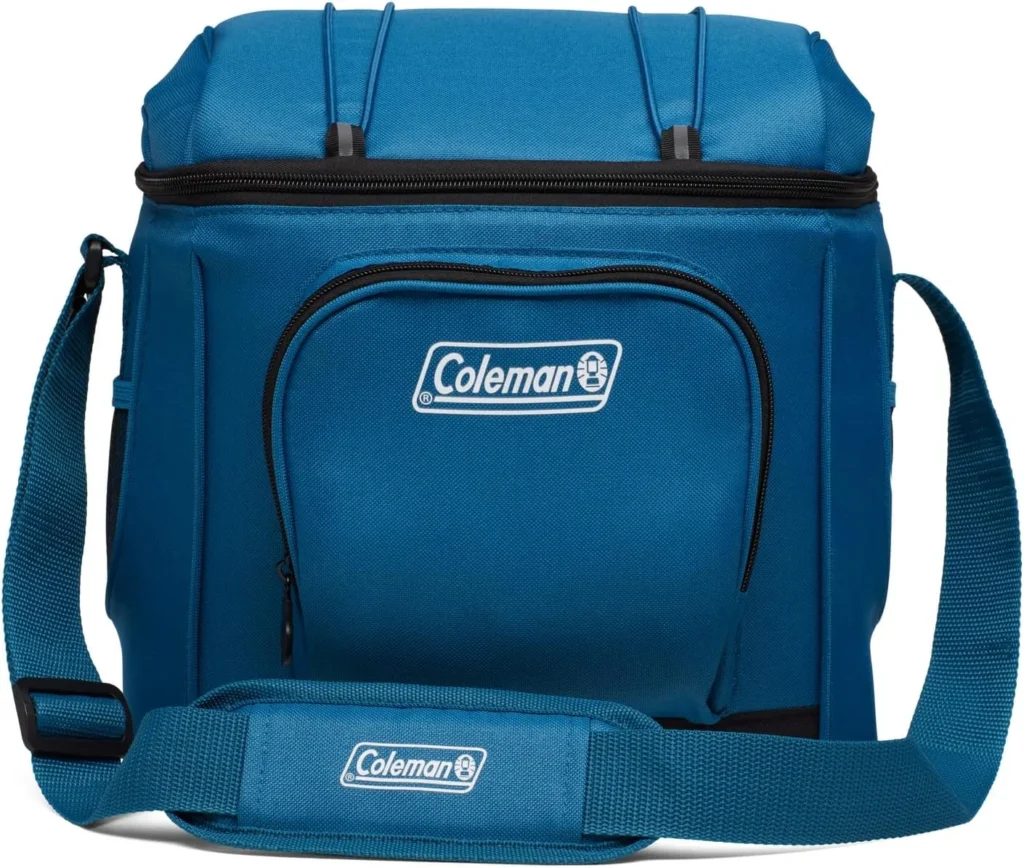
Coleman Chiller 16-Can Soft Cooler
Specifications
- Capacity: 16 cans
- Insulation: Foam insulation
- Material: Durable polyester fabric
- Liner: Easy-clean lining
- Closure Type: Zipper
- Carry Options: Top handles
- Weight: Lightweight and compact
REASONS TO BUY
- Affordable and easy to use
- Lightweight and portable
- Easy to clean interior
- Good for daily lunches
REASONS TO AVOID
- Limited capacity
- Not designed for long trips
The Coleman Chiller 16-Can Soft Cooler is a simple, reliable option designed for everyday use. It is ideal for packing lunches, snacks, or drinks for work, school, short trips, or quick outings. Its compact size makes it easy to carry while still offering enough space for daily needs.
This cooler features insulated walls that help keep food and beverages cold for several hours. The lightweight design and comfortable handles make it convenient for daily commuting, while the easy-to-clean liner adds to its practicality. Coleman’s straightforward design focuses on functionality rather than extra features.
For users seeking an affordable and dependable lunch cooler that doesn’t add bulk, the Coleman Chiller 16-Can Soft Cooler is a solid choice. It may not offer extended ice retention, but it performs well for short-term cooling and everyday use.
How We Tested the Best Soft Coolers
To identify the best soft coolers, we followed a hands-on testing process focused on real-world use rather than lab claims. Each cooler was tested under similar conditions to ensure fair comparisons, including outdoor trips, daily use, and short travel scenarios. Our goal was to evaluate how well each cooler performs in situations most people actually experience.
Every cooler was measured across six essential performance metrics that directly impact usability and value. Insulation was tested by tracking ice retention and internal temperature over time. Durability was assessed by examining materials, stitching, zippers, and resistance to wear during repeated use.
Portability focused on weight, carrying comfort, and strap design, while convenience covered ease of opening, cleaning, and organization. We also evaluated the design for practicality, leak resistance, and overall usability. Finally, packability measured how easily each cooler could be stored when not in use, especially collapsible and soft-structured models.
Our testing process measures every cooler through six essential metrics:
- Insulation
- Durability
- Portability
- Convenience
- Design
- Packability
How to Choose the Best Soft Coolers
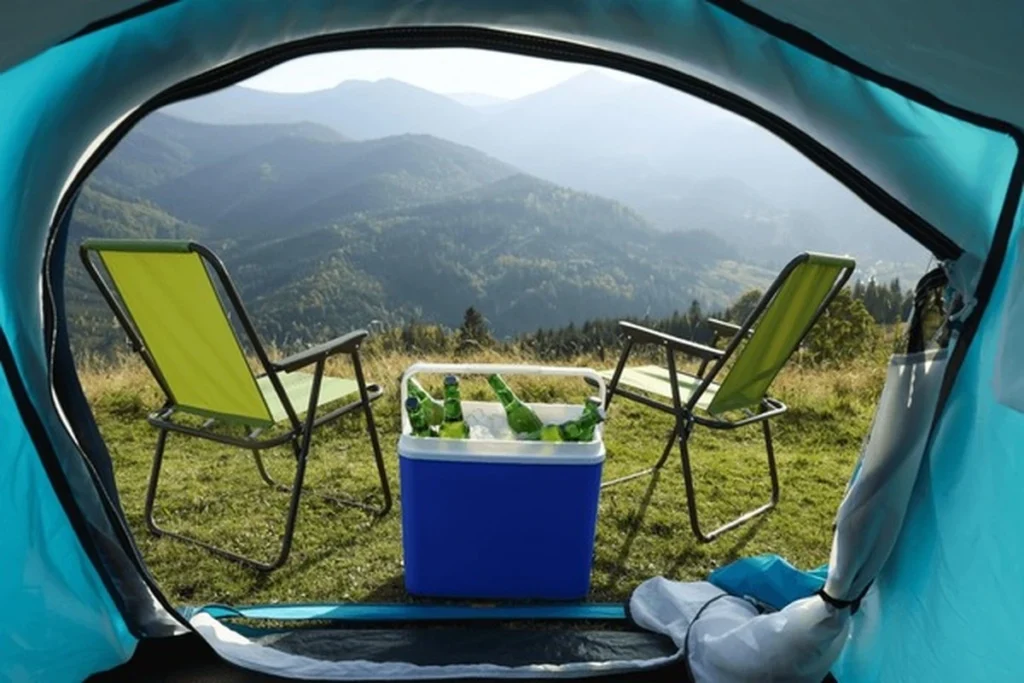
Choosing the right soft cooler depends on how you plan to use it, how much you need to carry, and how long you want items to stay cold. Size, carrying style, and insulation performance all play a role in finding the best option. A cooler that works perfectly for daily lunches may not be suitable for camping or road trips, so understanding the different types helps narrow down the right choice.
What size cooler do I need?
Choosing the right cooler size depends on how long you will be away, how many people you are packing for, and what you plan to store inside. Smaller coolers work well for daily lunches and short trips, while medium-sized options are better for picnics, beach days, and road travel. Larger coolers are ideal for group outings and extended adventures where more food, drinks, and ice are needed. Selecting the correct size ensures better cooling performance, easier carrying, and avoids unnecessary bulk.
Tote Cooler
A tote cooler is a great choice for short trips, grocery runs, picnics, or casual outings where convenience matters more than long ice retention. These coolers are lightweight, easy to carry, and usually feature an open, bag-style design that allows quick access to food and drinks. Tote coolers work best when you need something simple and portable for a few hours rather than an all-day or multi-day cooling solution.
Lunchbox Cooler
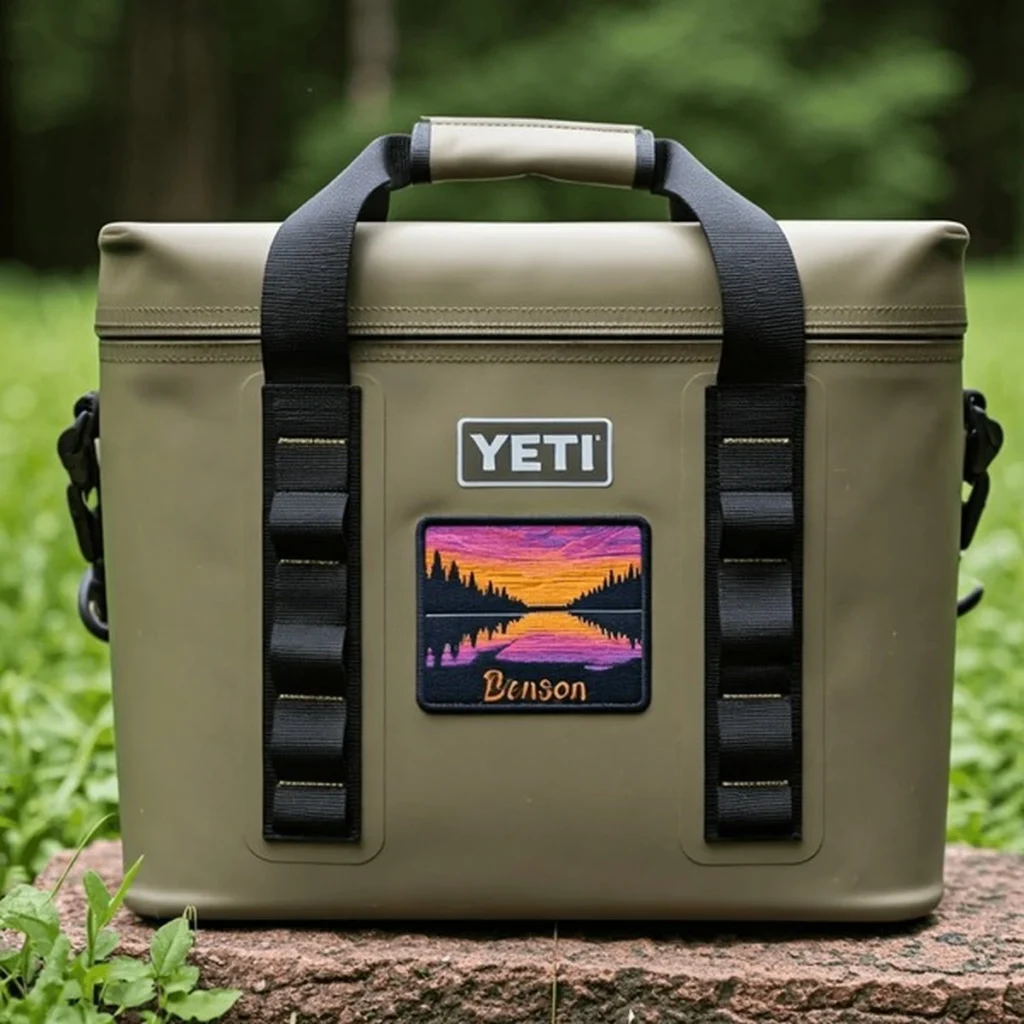
A lunchbox cooler is designed for everyday use, making it ideal for work, school, or short commutes. These coolers are compact and lightweight, with enough insulation to keep meals fresh for several hours. They focus on convenience and portability rather than large capacity, making them a practical option for individuals who need a reliable way to carry food and drinks daily.
Backpack Cooler
A backpack cooler is ideal for outdoor activities where hands-free carrying is important, such as hiking, beach trips, festivals, and long walks. These coolers distribute weight evenly across the shoulders, making them more comfortable to carry for extended periods. Backpack coolers usually offer better insulation and capacity than tote or lunchbox styles, making them suitable for longer outings where keeping food and drinks cold matters.
Hard Cooler
A hard cooler is best suited for extended trips, group outings, and situations where maximum ice retention is required. These coolers are built with rigid walls and thick insulation, allowing them to keep contents cold for multiple days. While they are heavier and less portable than soft coolers, hard coolers are ideal for camping, long road trips, and outdoor events where durability and long-lasting cooling are the top priorities.
Why Trust Outdoor Searcher
Outdoor Searcher is built on hands-on testing, honest evaluations, and real-world experience. Every product we recommend is reviewed with practical use in mind, not just manufacturer claims or online ratings. Our team spends time comparing performance, durability, and usability to ensure each recommendation provides genuine value. By testing dozens of products and focusing on what actually matters to everyday users, Outdoor Searcher delivers reliable, unbiased guidance you can trust when choosing the best outdoor gear.
Performance Analysis and Test Results
Our performance analysis is based on real-world testing across different environments and usage scenarios. Each soft cooler was evaluated side by side to understand how it performs over time, not just on the first use. By comparing results across multiple conditions, we were able to identify clear differences in cooling efficiency, build quality, and overall usability.
Insulation
Insulation performance was measured by tracking how long each cooler maintained cold temperatures with ice inside. Premium models consistently kept ice frozen longer, while budget options performed well for shorter durations. Thicker walls and tighter closures made a noticeable difference in temperature retention.
Durability
Durability focused on material strength, stitching quality, and resistance to wear. Coolers with reinforced seams, rugged fabrics, and heavy-duty zippers held up better during repeated use. Lightweight models showed more wear over time but still performed well for casual use.
Portability
Portability was evaluated by considering weight, carrying comfort, and strap design. Backpack coolers ranked highest for long-distance carrying, while tote and lunchbox coolers were easier to handle for quick trips. Balanced weight distribution improved overall comfort.
Convenience
Convenience measured how easy each cooler was to open, close, clean, and organize. Wide openings, magnetic closures, and smooth liners made daily use more practical. Models with simple interiors were easier to maintain over time.
Design
Design was assessed based on layout, leak resistance, and overall usability. Well-designed coolers offered a good balance between capacity and accessibility without wasting space. Minimalist designs often performed better than overly complex layouts.
Packability
Packability looked at how easily each cooler could be stored when not in use. Collapsible models and soft structured designs required less storage space, while rigid soft coolers needed more room but offered better insulation.
Conclusion
The best soft coolers of 2026 offer a wide range of options to suit different needs, lifestyles, and budgets. From compact lunchbox coolers to rugged backpack models and spacious road trip options, today’s soft coolers deliver impressive insulation, portability, and convenience without the bulk of traditional hard coolers. After testing more than 50 products, the models featured in this guide stood out for their real-world performance, durability, and practical design.
Whether you are packing daily lunches, heading out for a weekend trip, or planning an outdoor adventure, choosing the right soft cooler makes a noticeable difference. While some users may consider electric or hard coolers for extended use, a high-quality soft cooler remains the most flexible and user-friendly choice for most situations. By selecting from our tested recommendations, you can feel confident that you are investing in a cooler that delivers reliable performance where it matters most.
FAQs
How long do soft coolers keep items cold?
The cooling duration depends on insulation quality, outside temperature, and how the cooler is packed. Most standard soft coolers can keep items cold for 6 to 12 hours, while high-performance models with thick insulation and tight closures can maintain ice for up to 24 to 48 hours when used correctly.
Are soft coolers leakproof?
Some premium soft coolers are fully leakproof and designed to prevent water from escaping, even when ice melts. However, many budget and mid-range models are only leak-resistant. It is always a good idea to check the liner, zipper quality, and product description before relying on a cooler for liquid-heavy storage.
Can I use a soft cooler for hot food?
Yes, soft coolers can also be used to carry hot food for short periods. The same insulation that keeps items cold can help retain heat, although they are not designed to keep food hot for long durations like insulated food containers.
Are soft coolers better than hard coolers?
Soft coolers are better for portability, flexibility, and everyday use. They are lightweight, easier to carry, and simpler to store. Hard coolers are better for long trips where maximum ice retention is required, but they are heavier and less convenient for short outings.
Do soft coolers require ice packs or ice?
Soft coolers perform best when used with ice packs or ice. Pre-chilling the cooler and its contents before use can significantly improve cooling performance and help maintain lower temperatures for longer periods.