Choosing the best electric cooler has become increasingly important as more people rely on portable cooling solutions for travel, outdoor activities, and everyday use. Unlike traditional ice coolers, electric coolers offer consistent temperature control, eliminate water mess, and keep food and beverages fresh for extended periods. Whether you are planning a road trip, camping adventure, or need a reliable cooler for daily use, selecting the right model can significantly improve your experience.
With a wide range of electric coolers available in the market, buyers often face confusion regarding size, cooling performance, power consumption, and durability. Some models are designed purely for cooling drinks, while others can function as portable refrigerators or freezers. Understanding your specific needs is crucial for making the right choice and avoiding unnecessary expenses.
This guide explains the most important factors to consider when choosing an electric cooler, including capacity, temperature zones, portability, cooling mechanisms, and build quality. By the end of this article, you will have a clear understanding of which features matter most and how to select an electric cooler that offers the best value for your money.
If you are comparing models, our detailed guide on the best electric coolers can help you explore top-performing options.
Size and Capacity of Electric Coolers
Size and capacity are among the most critical factors when choosing an electric cooler. Electric coolers are generally measured in liters, and the right size depends on how many people you are serving and the duration of your trips. A compact cooler is ideal for short outings, while larger models are better suited for family trips or extended travel.
When selecting capacity, consider the type of items you plan to store. Bottled drinks, meal containers, and frozen items all require different amounts of space. It is always recommended to choose a slightly larger capacity than your immediate needs to allow flexibility during longer journeys.
Temperature Zones
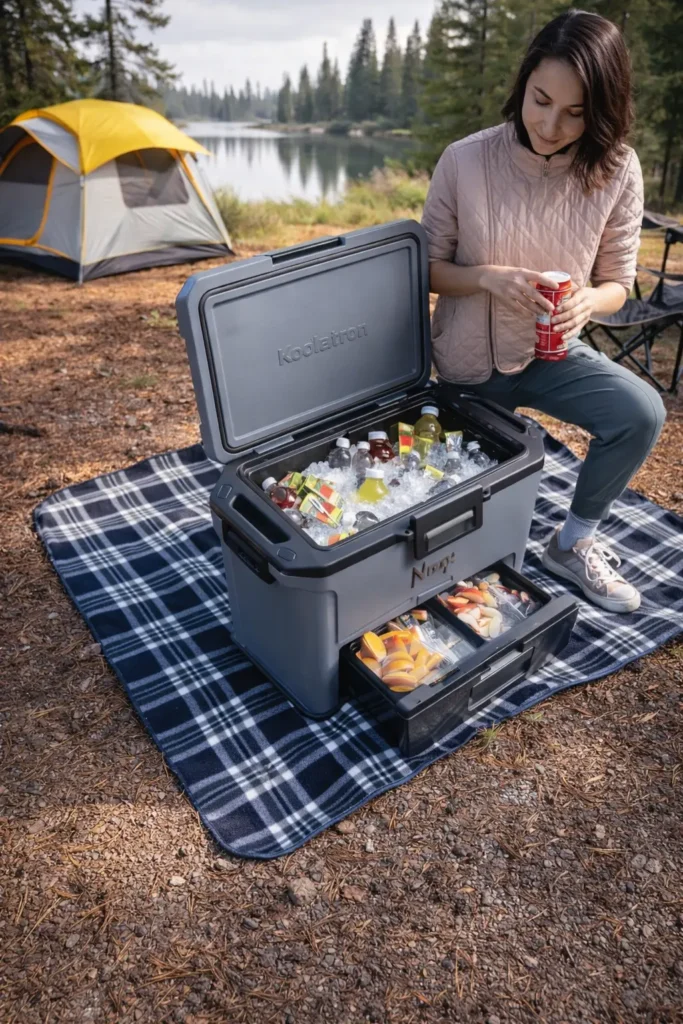
Temperature zones determine how versatile an electric cooler can be. Basic electric coolers operate with a single cooling zone, maintaining one consistent temperature throughout the unit. These are suitable for users who only need cooling for beverages and snacks.
Advanced electric coolers feature dual or multiple temperature zones, allowing you to cool and freeze items simultaneously. This is particularly useful for long road trips or camping, where you may need to store frozen food along with chilled drinks.
Benefits of multiple temperature zones include:
- Separate storage for frozen and chilled items
- Better food organization
- Greater flexibility for different travel needs
Weight, Portability, and Design
Portability plays a major role, especially if you frequently move your electric cooler between locations. Lightweight models are easier to handle but may compromise on insulation or capacity. Heavier models usually offer better cooling performance but can be difficult to carry without assistance.
Many modern electric coolers are designed with convenience features such as built-in handles, wheels, or compact shapes that fit easily into car trunks. Choosing a balance between weight and usability ensures comfort without sacrificing performance.
Temperature Control and Settings
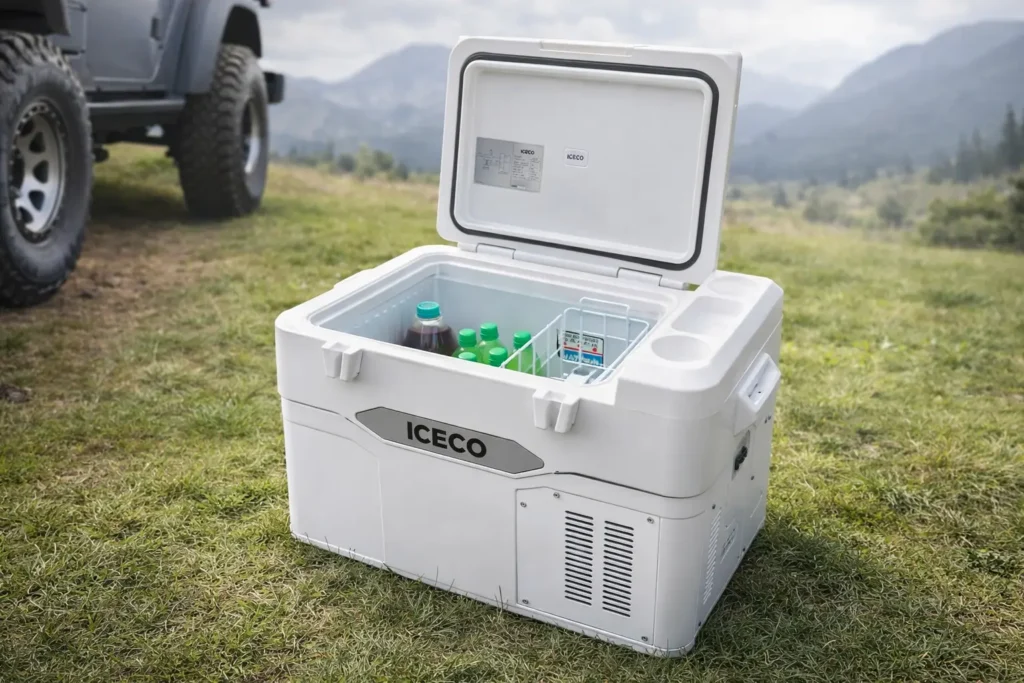
Precise temperature control is essential for food safety and efficiency. High-quality electric coolers allow users to set exact temperatures, ensuring consistent cooling regardless of external conditions. Digital displays and adjustable thermostats make it easier to monitor and control internal temperatures.
Some premium electric coolers also offer smart features such as mobile app control, enabling users to adjust settings remotely. While not essential, these features add convenience and enhance overall usability.
Electric Cooler Cooling Mechanisms Explained
The cooling mechanism directly affects performance, efficiency, and price. Electric coolers typically use one of two cooling technologies.
Common cooling mechanisms include:
- Thermoelectric cooling: Best for light use and short trips; quieter and more affordable
- Compressor-based cooling: Offers powerful cooling and freezing capabilities; ideal for hot climates and long journeys
Durability and Build Quality
Durability is especially important for outdoor and long-term use. A well-built electric cooler can withstand rough handling, temperature fluctuations, and frequent transportation. High-quality insulation improves cooling efficiency and reduces power consumption.
Look for electric coolers made from impact-resistant materials with reinforced corners and strong seals. Water- and dust-resistant designs provide additional protection, making the cooler suitable for camping and outdoor adventures.
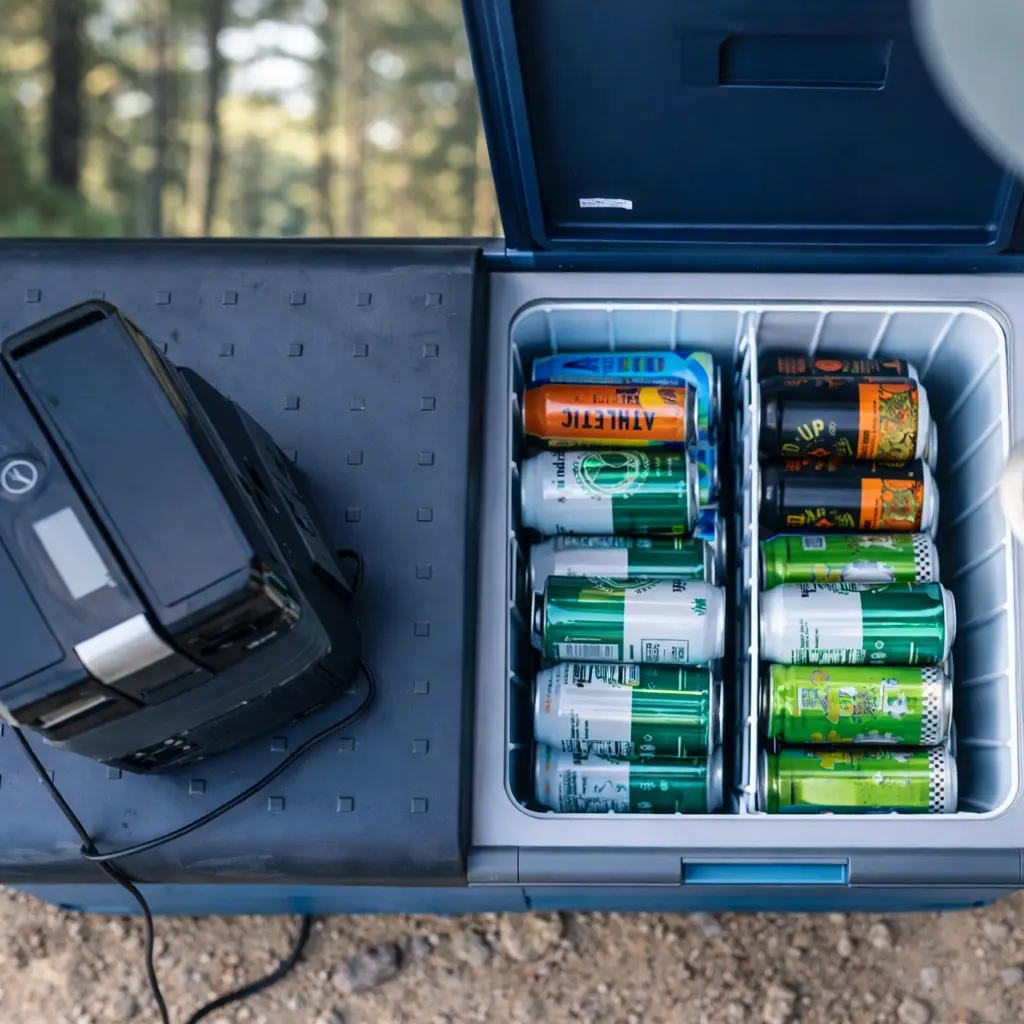
Conclusion
Choosing the best electric cooler is not just about buying a portable cooling box; it is about investing in long-term convenience, food safety, and travel comfort. With the right electric cooler, you can maintain consistent temperatures, preserve freshness, and eliminate the hassle of ice refilling, making it an ideal solution for road trips, camping, outdoor activities, and even daily use.
By carefully evaluating key factors such as size and capacity, temperature zones, cooling mechanism, portability, and durability, you can narrow down options that truly match your needs. Smaller coolers are perfect for short trips and personal use, while larger, compressor-based models offer superior performance for extended journeys and extreme climates. Features like precise temperature control and multiple zones further enhance usability and flexibility.
Ultimately, the best electric cooler is one that balances performance, efficiency, and practicality. Rather than focusing solely on price, prioritize quality, cooling reliability, and build strength to ensure long-lasting value. A well-chosen electric cooler not only simplifies travel but also elevates your overall outdoor and lifestyle experience, making it a smart and worthwhile investment.
FAQs
What is an electric cooler, and how does it work?
An electric cooler is a portable cooling device that uses electricity instead of ice to keep food and beverages cold. It plugs into a car power outlet, home socket, or portable power source and maintains a consistent internal temperature. Depending on the model, it may use thermoelectric or compressor-based cooling technology.
How do I choose the right size electric cooler?
The right size depends on how many people you are serving and how long you plan to use the cooler. For short trips or individual use, a 20–30 liter cooler is usually sufficient. Families or long journeys require larger capacities, typically 40 liters or more. It is also important to consider the types of items you plan to store, such as bottles, meal containers, or frozen food, as these affect space requirements.
Can an electric cooler freeze food?
Yes, some electric coolers can freeze food, but this depends on the cooling mechanism. Compressor-based electric coolers are capable of reaching freezing temperatures and can function like portable freezers. Thermoelectric coolers, on the other hand, are mainly designed for cooling and cannot freeze items effectively. If freezing capability is important, always choose a compressor model.
Is an electric cooler safe to use in a car for long hours?
Electric coolers are generally safe for long car journeys when used correctly. Most models are designed to run on 12V or 24V car outlets and include safety features such as low-voltage protection to prevent battery drain. For extended use while the engine is off, it is recommended to monitor battery levels or use an auxiliary power source.
How much electricity does an electric cooler consume?
Electric coolers are designed to be energy-efficient, especially modern compressor-based models with smart temperature control. Power consumption varies depending on size, cooling technology, and ambient temperature. Thermoelectric coolers usually consume less power but offer limited cooling, while compressor coolers consume slightly more energy but provide stronger and more reliable performance.
Are electric coolers better than traditional ice coolers?
Electric coolers offer several advantages over traditional ice coolers. They maintain consistent temperatures, eliminate melted ice and water mess, and provide longer-lasting cooling. While ice coolers may be cheaper upfront, electric coolers are more convenient and cost-effective over time, especially for frequent travelers and outdoor enthusiasts.
Do electric coolers work in hot weather?
Yes, electric coolers are designed to operate in warm environments, but performance depends on the cooling technology. Compressor-based electric coolers perform exceptionally well in hot climates and can maintain low temperatures regardless of outside heat. Thermoelectric models may struggle in extreme temperatures, making them better suited for mild conditions.