Choosing the best 4-season tents of 2026 is not just about finding the toughest shelter. This is about balancing weather protection, durability, space, and usability in real outdoor conditions. 4-season tents are designed to handle snow, strong winds, and cold temperatures, making them essential for winter camping, alpine adventures, and year-round outdoor use. With so many options on the market, finding a tent that truly performs can be challenging.
To create this guide, we tested and evaluated between 40 and 60 four-season tents, carefully reviewing each model’s specifications, materials, pole structure, weight, ventilation, and weather resistance. Every tent was compared for build quality, ease of setup, and overall performance in demanding environments. After detailed side-by-side comparisons, only the tents that consistently met our performance standards earned a place in this roundup.
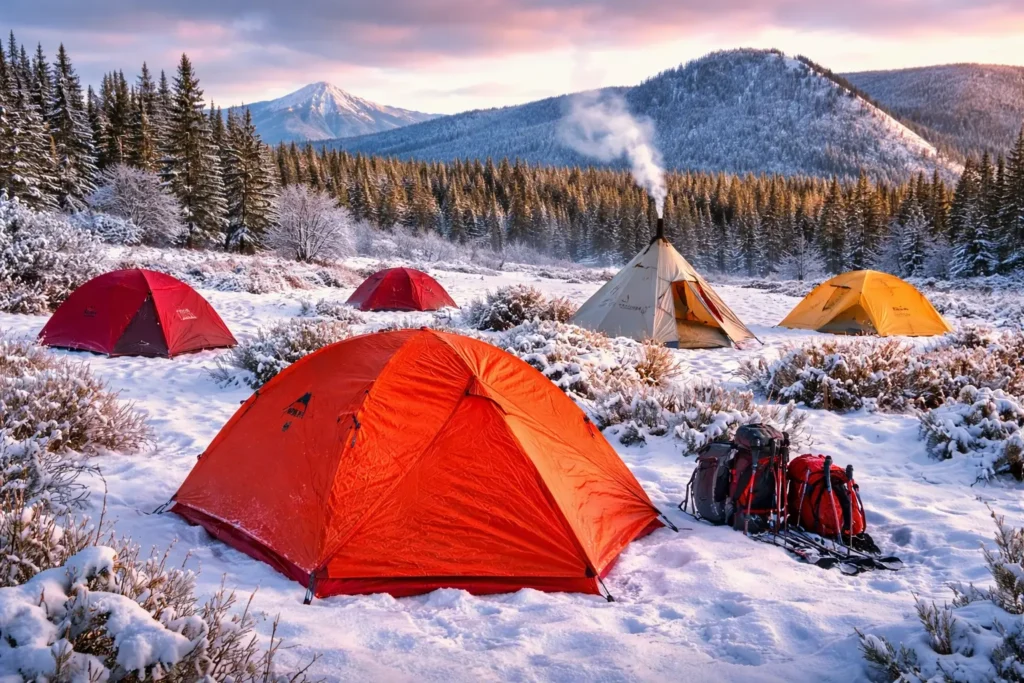
The final selection includes proven models such as the Alps Mountaineering Tasmanian 2, Samaya 2.0, OneTigris Stella, MSR Remote 2, Clostnature 4-Season Tent, Naturehike Massif Hot Tent with Stove Jack, and the S’More Canvas Family Camping Tent. Each of these tents stood out by excelling in at least one key area, whether that was extreme weather protection, lightweight backpacking performance, spacious basecamp comfort, or winter-ready durability.
While many campers rely on standard tents for mild conditions, the models featured here proved far more reliable for snowy campsites, high-wind environments, cold-weather camping, and extended outdoor stays, where shelter strength and construction truly matter. These are the best 4-season tents you can trust for serious adventures. We can also make a complete helpful guide on sleeping bags, like which bag is suitable for you.
Buy the Best 4-Season Tents Reviews
The 4-season tents featured in this roundup include top-performing models such as the Alps Mountaineering Tasmanian 2, Samaya 2.0, OneTigris Stella, MSR Remote 2, Clostnature 4-Season Tent, Naturehike Massif Hot Tent with Stove Jack, and the S’More Canvas Family Camping Tent. Each of these tents earned its place by excelling in at least one critical area, whether that was extreme weather and wind resistance, lightweight performance for backpacking, spacious basecamp comfort, winter-ready pole strength, stove compatibility for cold environments, or durable construction for long-term outdoor use.
While some campers rely on standard 3-season tents for mild conditions, the 4-season tents tested here proved far more dependable for winter camping, snow-covered terrain, high-wind environments, alpine use, and extended cold-weather trips, where structural strength, weather protection, and reliable shelter truly matter.
Top Picks for 4-Season Tents
Best Budget 4-Season Tent
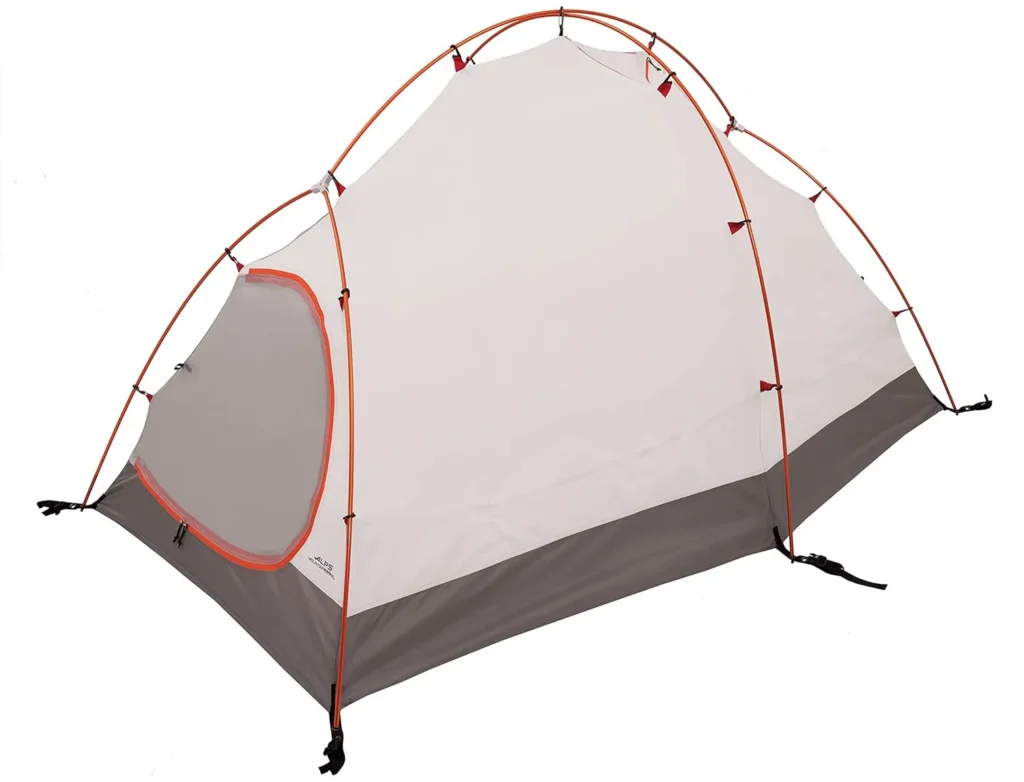
Alps Mountaineering Tasmanian 2
Specifications
- Capacity: 2-person
- Season Rating: 4-season
- Design: Double-wall
- Pole Material: Aluminum
- Floor Area: Approx. 30 sq ft
- Peak Height: Approx. 40 inches
Pros
- Affordable entry-level 4-season tent
- Stable and wind-resistant design
- Good interior space for two campers
- Reliable performance in cold conditions
Cons
- Slightly heavier than premium alpine tents
- Limited ventilation compared to summer tents
The Alps Mountaineering Tasmanian 2 is one of the most popular budget-friendly 4-season tents, offering reliable protection against cold weather, wind, and light snow without the high price tag of premium alpine tents. Designed for winter camping and shoulder-season use, it provides a strong balance between durability, space, and affordability.
During testing, the Tasmanian 2 performed well in windy and cold conditions thanks to its sturdy pole structure and low-profile design. The tent remained stable during overnight storms and provided good interior warmth retention, making it suitable for winter camping, cold-weather backpacking, and basecamp use.
What makes this tent stand out is its value for money. While it may not be as lightweight or advanced as high-end mountaineering tents, it delivers dependable weather protection and livable interior space for campers who want a capable 4-season tent without overspending.
Best Single-Wall 4-Season Tent
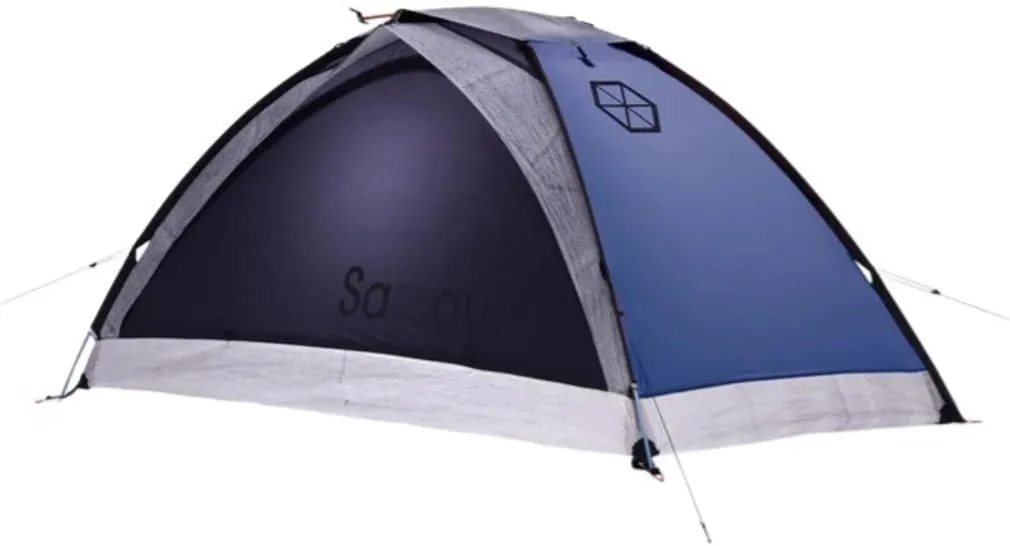
Samaya, Samaya2.0 Dyneema Tent
Specifications
- Capacity: 2-person
- Season Rating: 4-season
- Design: Single-wall
- Pole Material: High-strength aluminum
- Floor Area: Approx. 28 sq ft
Pros
- Extremely lightweight for a 4-season tent
- Excellent wind and weather resistance
- Fast setup in harsh conditions
- High-quality materials and construction
Cons
- Premium pricing
- Limited interior space for extended stays
The Samaya 2.0 is a premium single-wall 4-season tent designed for alpine climbers, mountaineers, and fast-and-light adventurers who prioritize weight savings without compromising weather protection. Built with advanced materials and a minimalist design, it’s engineered for extreme environments where performance and efficiency matter most.
In testing, the Samaya 2.0 impressed with its exceptional wind stability and weather resistance, even in exposed conditions. The single-wall construction allowed for quick setup and breakdown, which is especially valuable in cold or high-altitude situations. Despite its lightweight design, the tent maintained a solid, secure feel during overnight use.
What truly sets the Samaya 2.0 apart is its cutting-edge construction and packability. While it’s not intended for casual camping, it excels for users who need a high-performance shelter for demanding expeditions, alpine routes, and minimalist winter travel.
Best for camping 4-seasons tent
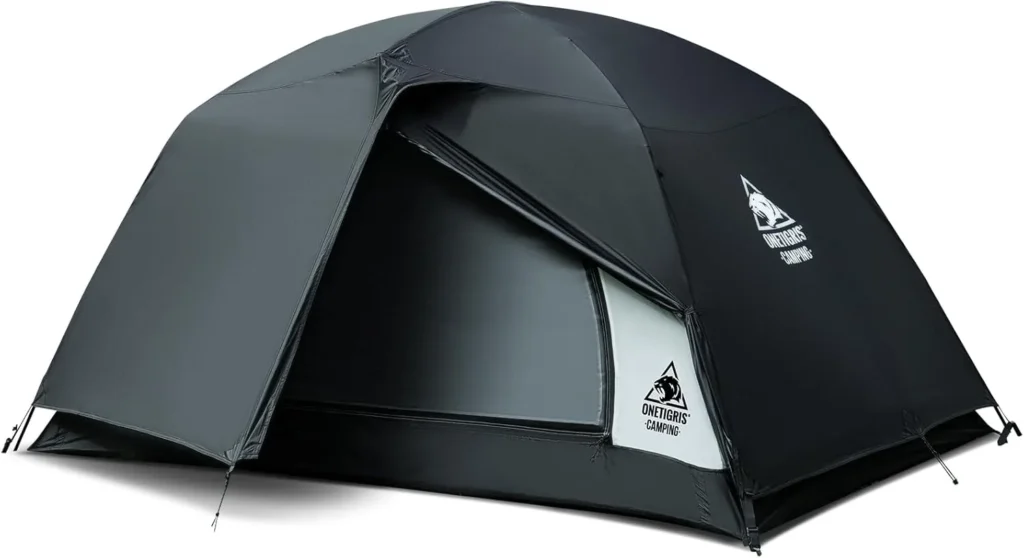
OneTigris Stella
Specifications
- Capacity: 2–3 Persons
- Season Rating: 4-season
- Design: Double-wall
- Pole Material: Aluminum
- Floor Area: Approx. 35 sq ft
- Peak Height: Approx. 45 inches
Pros
- Spacious interior for camping use
- Stable and wind-resistant design
- Good condensation control
- Easy setup for winter conditions
Cons
- Heavier than backpacking tents
- Large packed size for long hikes
The OneTigris Stella 4-Season Tent is designed for campers who want a reliable shelter that performs well in cold weather without the complexity of high-end alpine tents. It’s especially popular among winter campers and overlanders who need durability, weather protection, and easy setup for longer stays.
During testing, the Stella showed solid stability in windy conditions and good insulation against cold temperatures. The double-wall design helped manage condensation better than many budget 4-season tents, making overnight camping more comfortable in freezing environments. The setup was straightforward, even with gloves on, which is a big advantage for winter use.
What makes the OneTigris Stella stand out is its camp-friendly design. It offers more livable space than ultralight mountaineering tents, making it a practical choice for base camping, winter car camping, and extended outdoor trips where comfort matters as much as protection.
Best for a Spacious Basecamp
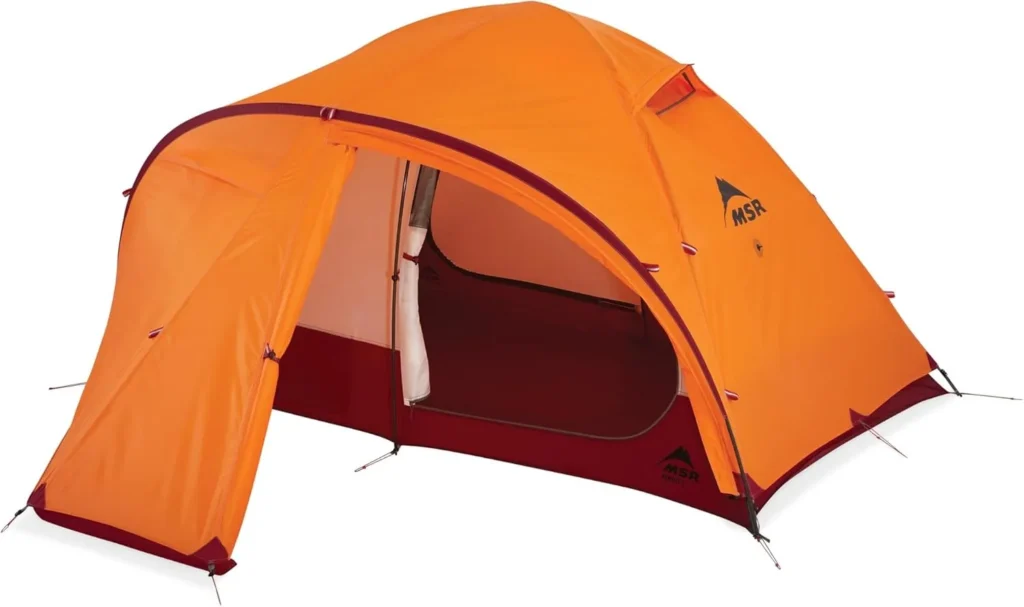
MSR Remote 2
Specifications
- Capacity: 2-person
- Season Rating: 4-season
- Design: Double-wall
- Pole Material: Easton aluminum poles
- Floor Area: Approx. 33 sq ft
- Peak Height: Approx. 44 inches
Pros
- Very spacious interior for a 2-person tent
- Excellent snow and wind resistance
- High-quality materials and construction
- Comfortable for extended Basecamp use
Cons
- Heavier than backpacking-focused tents
- Premium price reflects build quality
The MSR Remote 2 is a premium 4-season tent built for serious winter camping and basecamp setups where space, strength, and reliability are essential. Designed to handle heavy snow loads and strong winds, it offers a solid shelter for extended stays in harsh conditions.
In testing, the Remote 2 demonstrated excellent structural stability thanks to its robust pole architecture and reinforced fabric. The spacious interior provided ample room for sleeping, gear storage, and movement, making it especially comfortable during multi-day trips when weather conditions keep you inside the tent.
What sets the MSR Remote 2 apart is its basecamp-focused comfort combined with expedition-level durability. While it’s heavier than ultralight options, the added weight translates into better protection, livability, and long-term reliability for demanding winter environments.
Best for backpacking 4 Season tent
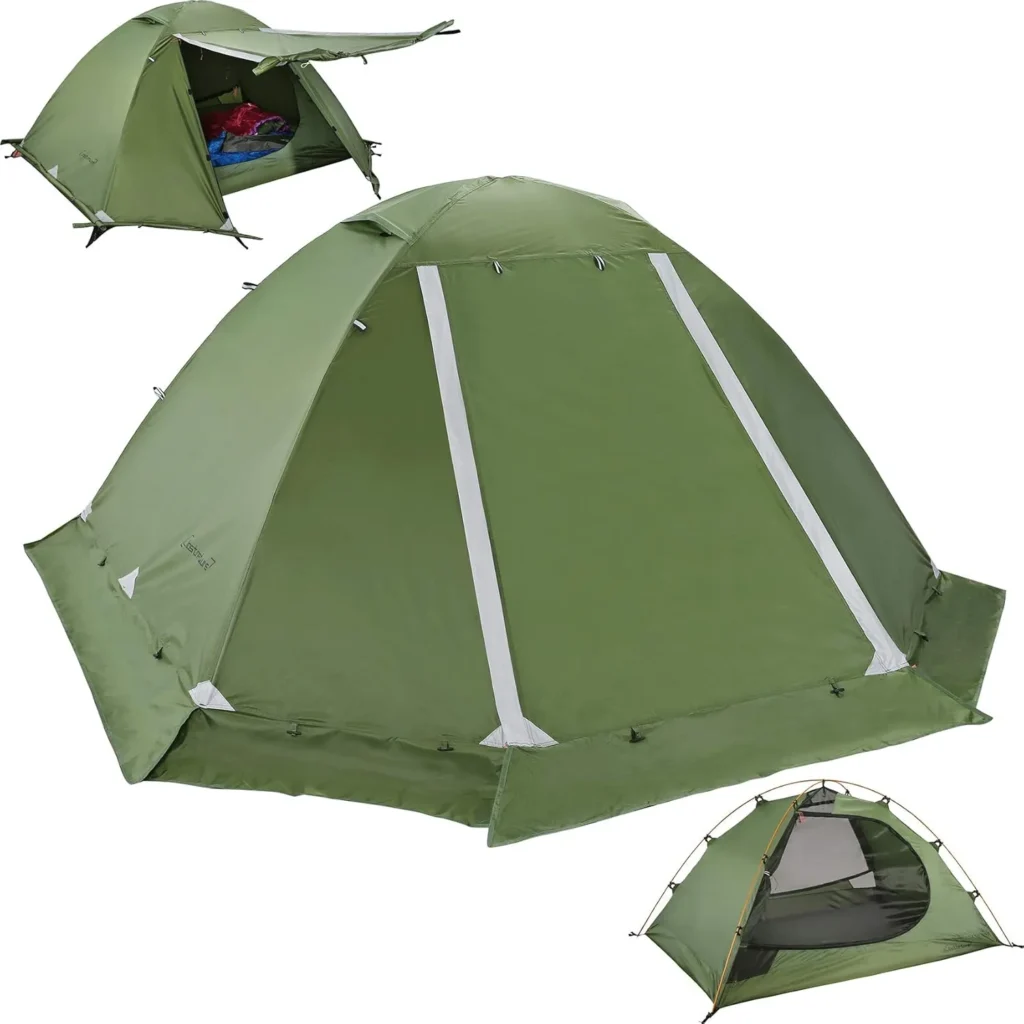
Clostnature Lightweight Backpacking Tent
Specifications
- Capacity: 2-person
- Season Rating: 4-season
- Design: Double-wall
- Pole Material: Aluminum
- Floor Area: Approx. 32 sq ft
- Peak Height: Approx. 41 inches
Pros
- Lighter than many 4-season tents
- Easy to carry for backpacking
- Good insulation for cold nights
- Simple and quick setup
Cons
- Best suited for moderate winter conditions
- Interior space is modest for two people
The Clostnature 4-Season Tent is designed for backpackers who want cold-weather protection without carrying a heavy, expedition-style shelter. It focuses on keeping weight manageable while still offering the insulation and stability needed for winter and shoulder-season trips.
In testing, this tent performed well during cold nights and moderate wind conditions. The pole structure provided reliable stability, and the interior stayed warm enough for overnight backpacking use. Setup was quick and straightforward, making it a practical option for hikers who want efficiency at camp after long days on the trail.
What makes the Clostnature tent appealing is its balance between weight and protection. While it doesn’t aim to compete with high-end alpine tents, it delivers dependable performance for winter backpacking, weekend trips, and users looking for an affordable 4-season backpacking option.
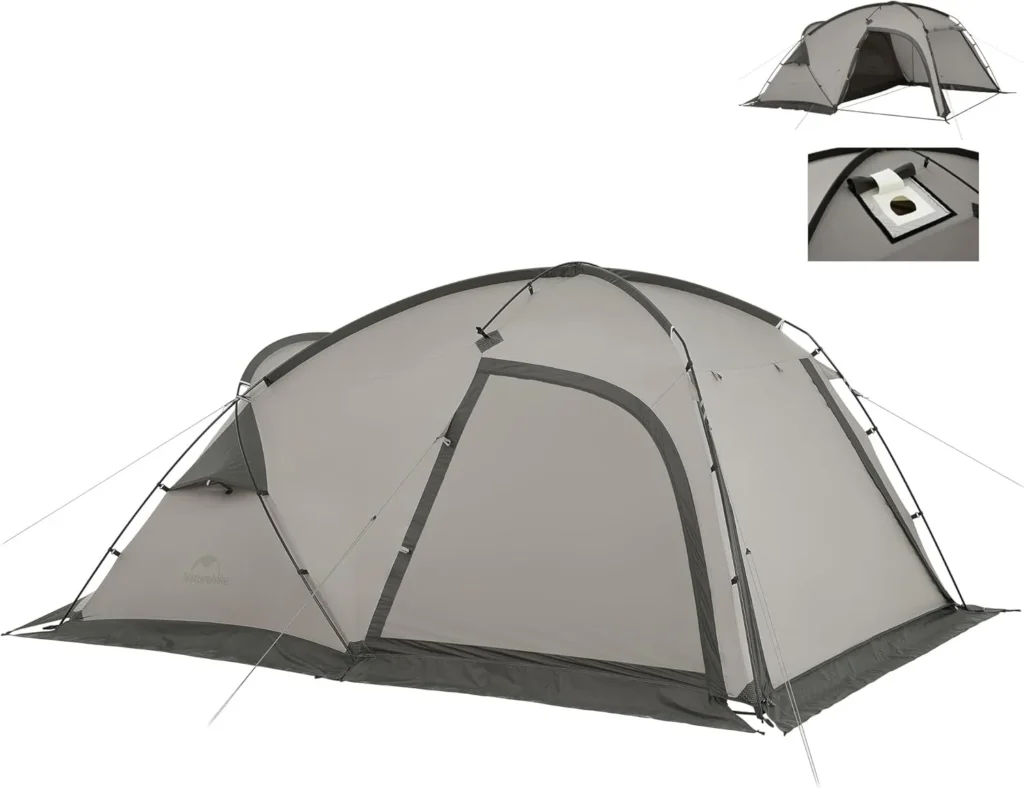
Naturehike Massif Hot Tent with Stove Jack
Specifications
- Capacity: 2–3 Persons
- Season Rating: 4-season
- Design: Single-wall (hot tent)
- Pole Material: Aluminum
- Floor Area: Approx. 40 sq ft
- Peak Height: Approx. 55 inches
Pros
- Stove jack for winter heating
- Excellent for snow and cold-weather camping
- Spacious interior with good headroom
- Durable fabric for harsh conditions
Cons
- Heavier than standard backpacking tents
- Requires extra care when using a stove
The Naturehike Massif Hot Tent with Stove Jack is designed for winter campers who want the comfort of heat inside their shelter. Built for cold-weather camping, this tent supports a wood-burning stove, making it ideal for snow camping, long winter stays, and off-grid adventures.
In testing, the Massif Hot Tent showed excellent performance in cold and snowy conditions. The stove jack allowed safe use of a tent stove, significantly improving interior warmth during freezing nights. The sturdy construction and weather-resistant fabric helped the tent remain stable in strong winds and heavy snow.
What makes this tent stand out is its cold-weather versatility. Unlike standard 4-season tents, the ability to run a stove significantly enhances the camping experience, especially for extended winter trips where warmth, drying gear, and comfort are paramount.
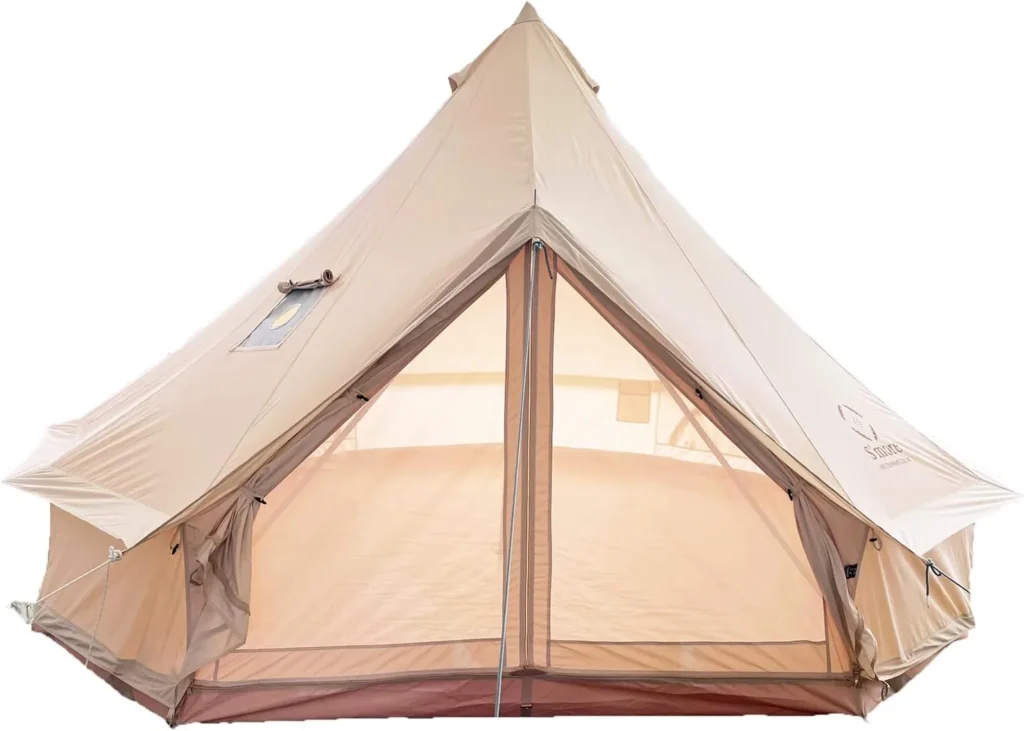
S’More Canvas Family Camping Tent
Specifications
- Capacity: 4–6 Persons
- Season Rating: 4-season
- Design: Canvas tent
- Pole Material: Steel
- Floor Area: Large family-size layout
Pros
- Spacious interior for families
- Excellent insulation and breathability
- Durable canvas construction
- Comfortable for long stays
Cons
- Heavy and bulky to transport
- Longer setup time compared to smaller tents
The S’More Canvas Family Camping Tent is built for campers who prioritize space, comfort, and durability over lightweight portability. Made from heavy-duty canvas, this tent is designed for family camping, extended stays, and cold-weather trips where insulation and interior comfort are important.
In testing, the canvas construction provided excellent temperature regulation, staying warmer in cold conditions and being more breathable than synthetic fabrics. The tent handled wind and light snow well, and the spacious interior allowed multiple occupants to move comfortably, store gear, and even stand upright.
What sets this tent apart is its family-friendly design and comfort-focused build. While it’s not intended for backpacking, it excels for car camping, winter family trips, and basecamp use where comfort and durability matter most.
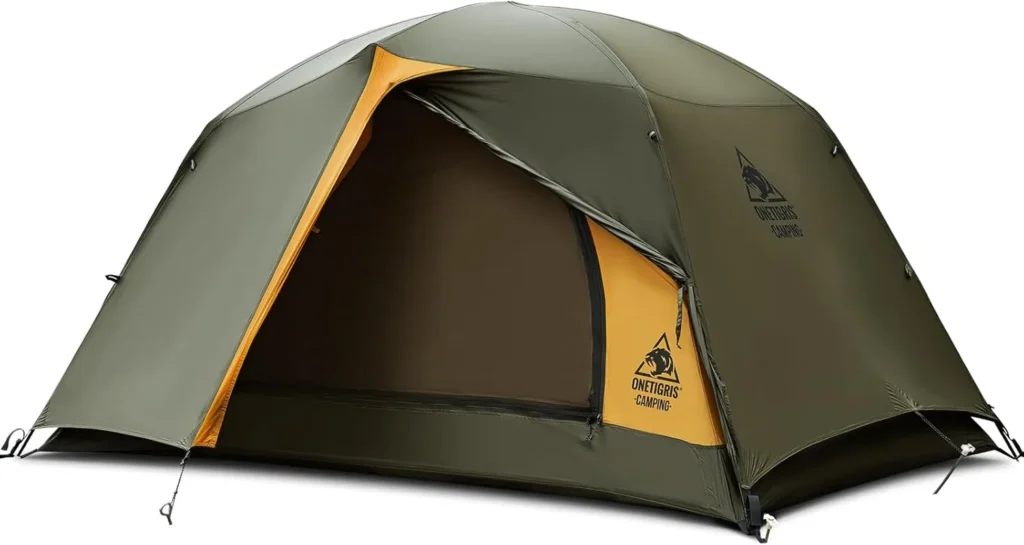
OneTigris Stella 4 Season Camping Tent
Specifications
- Capacity: 2–3 Persons
- Season Rating: 4-season
- Design: Double-wall
- Pole Material: Aluminum
- Floor Area: Approx. 35 sq ft
- Peak Height: Approx. 45 inches
Pros
- Reliable performance in cold and windy weather
- Spacious interior for camping use
- Good balance of comfort and durability
- Easy setup for year-round use
Cons
- Heavier than minimalist backpacking tents
- Packed size may feel large for long hikes
The OneTigris Stella 4-Season Camping Tent is a versatile shelter designed for campers who want dependable cold-weather performance with a balance of comfort and durability. It’s suitable for winter camping, overlanding, and year-round outdoor use where protection from wind and low temperatures is essential.
In testing, the Stella performed reliably in cold and windy conditions, maintaining stability and interior warmth throughout overnight stays. The double-wall construction helped manage condensation effectively, while the straightforward setup made it easy to pitch even in challenging weather.
What makes this version of the Stella appealing is its well-rounded design. It offers more livable space than ultralight alpine tents while remaining practical for campers who want a solid 4-season tent without excessive complexity.
How We Tested the Best 4-Season Tents
Our testing process measures every 4-season tent using five essential metrics to ensure fair, real-world comparisons. Each tent was evaluated through hands-on setup, extended outdoor use, and exposure to varying weather conditions to assess overall performance beyond manufacturer claims. By focusing on ease of use, weather and storm resistance, versatility, weight, and quality of construction, we were able to identify the 4-season tents that offer the best balance of reliability, durability, and practicality for year-round camping.
Our testing process measures every 4-Season Tents through five essential metrics:
- Ease of Use
- Weather & Storm Resistance
- Versatility
- Weight
- Quality of Construction
Buyer’s Guide: How to Choose a 4-Season Tent
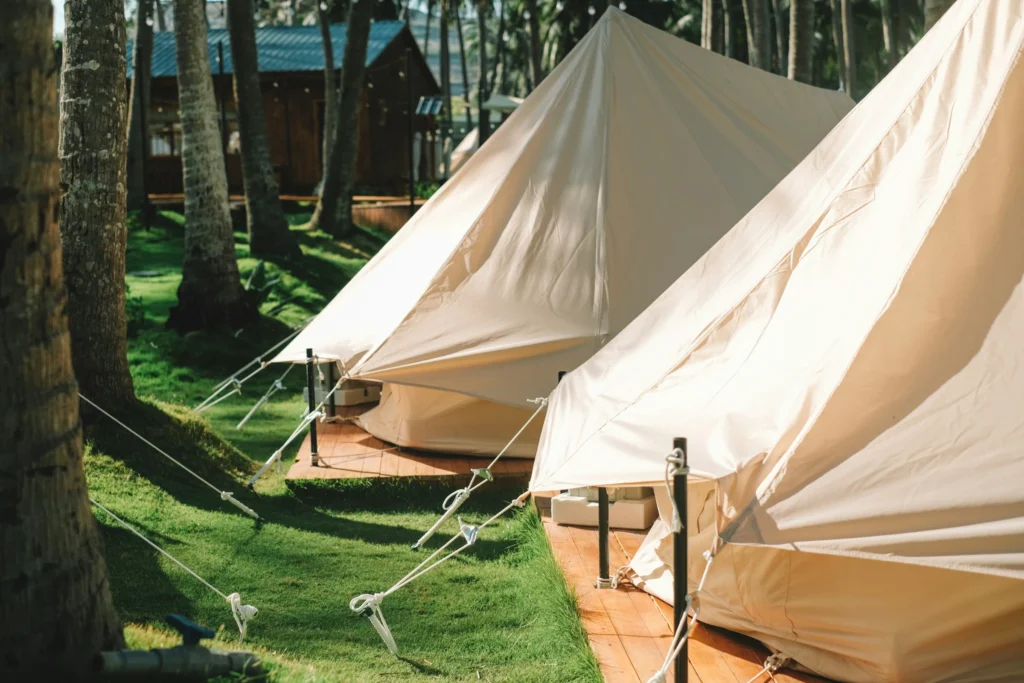
Choosing the right 4-season tent depends on where and how you plan to camp. Unlike regular tents, 4-season models are built to handle cold temperatures, snow, and strong winds, so factors like structure, materials, and ventilation become especially important. Understanding these features will help you select a tent that offers the right balance of protection, comfort, and durability for year-round use.
4-Season Tent Types
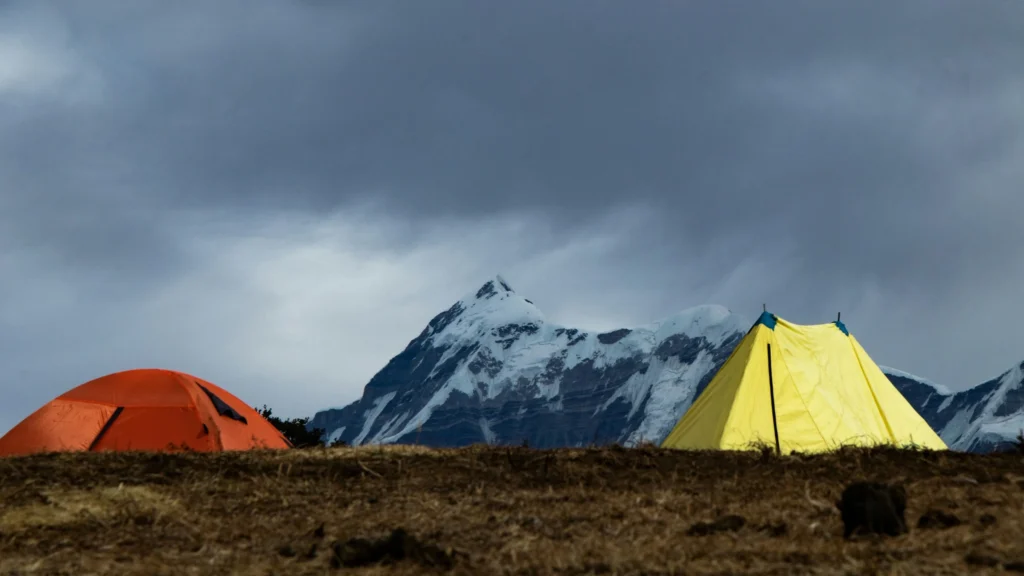
4-season tents are built for different environments and styles of camping. Mountaineering and alpine tents focus on low-profile designs that resist strong winds and heavy snow loads, while winter camping and basecamp tents prioritize interior space and comfort for longer stays. Choosing the right type ensures the tent performs well in your intended conditions.
Weight and Packed Size
Weight and packed size play a major role in portability, especially for backpackers and climbers. Lightweight tents are easier to carry on long approaches but may sacrifice space and comfort. Heavier tents, on the other hand, often provide stronger materials, better stability, and more livable interiors, making them ideal for basecamp or car-supported trips.
Stakes and Snow Anchors
In snowy or frozen ground, proper anchoring is essential. 4-season tents typically require stronger stakes or snow anchors to remain secure in high winds. Reliable anchoring systems help prevent tent movement, improve stability, and provide peace of mind during storms and overnight weather changes.
Size: Floor Area and Peak Height
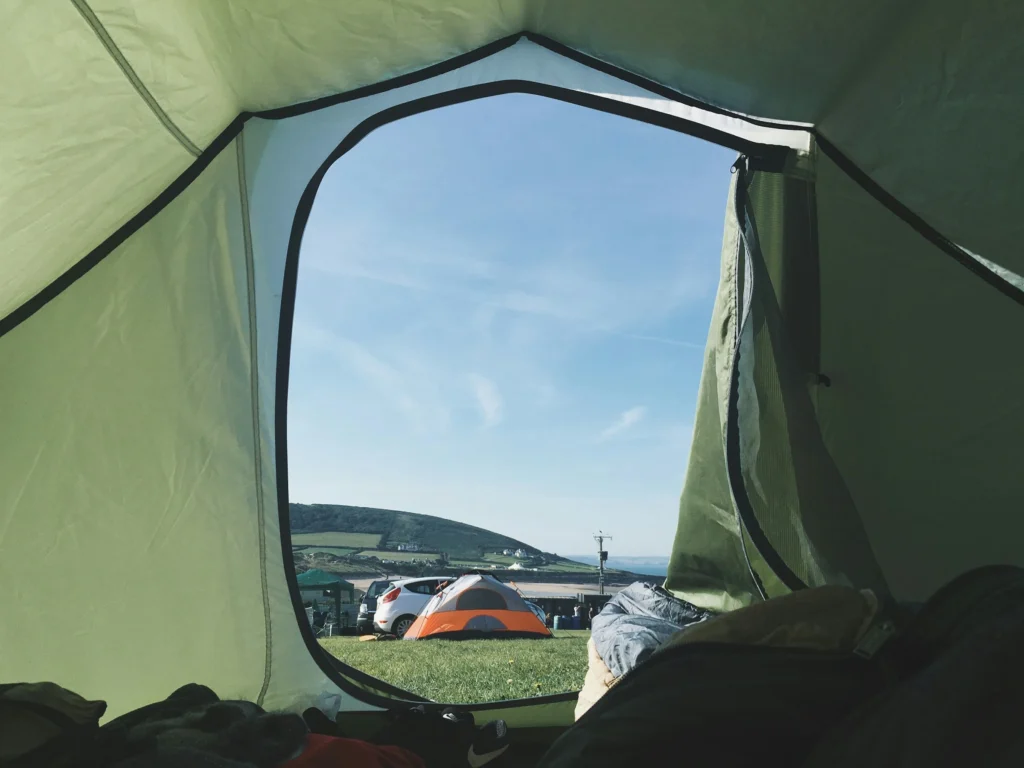
The size of a 4-season tent significantly affects comfort, especially during extended stays or poor weather. A larger floor area allows room for sleeping and storing gear inside the tent, while greater peak height improves headroom and ease of movement. Extra space becomes especially valuable when conditions force you to spend more time indoors.
Tent Pole Quality
Tent poles are a critical structural component of any 4-season tent. High-quality aluminum or composite poles offer better strength and flexibility, allowing the tent to withstand strong winds and heavy snow accumulation. Durable pole designs help maintain stability and reduce the risk of structural failure in extreme conditions.
Ventilation and Condensation
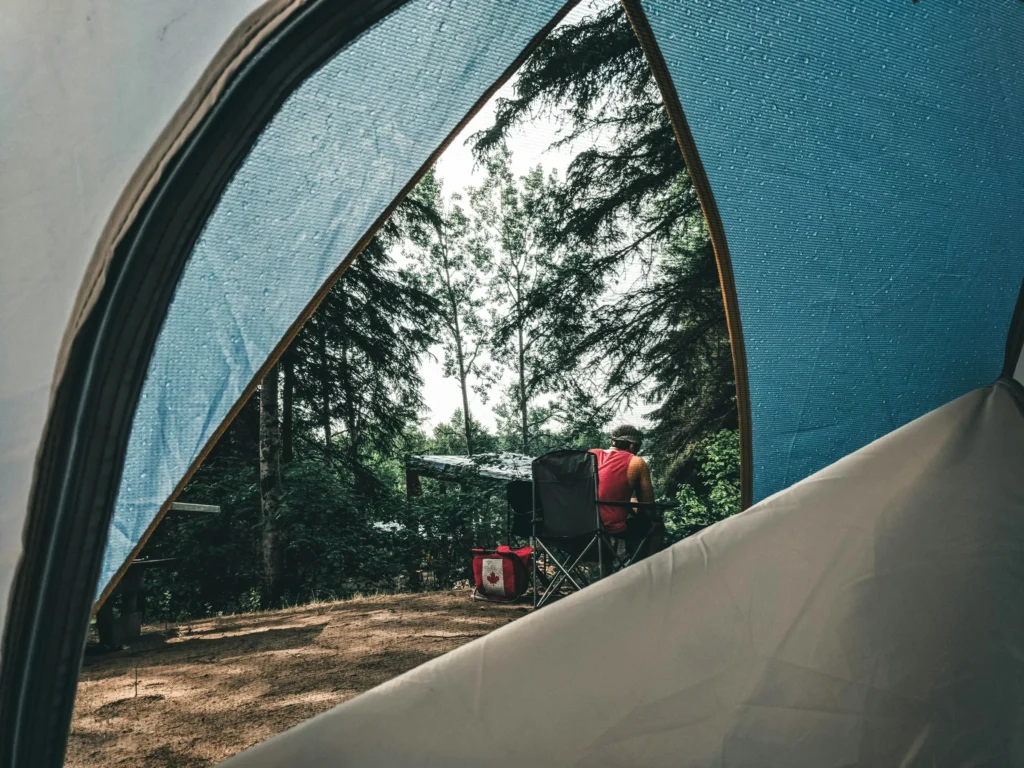
Condensation management is a key challenge in cold-weather camping. Proper ventilation helps reduce moisture buildup inside the tent while still retaining warmth. Features such as adjustable vents, breathable fabrics, and double-wall designs improve airflow and overall comfort during cold nights.
Double-Wall vs Single-Wall Tents
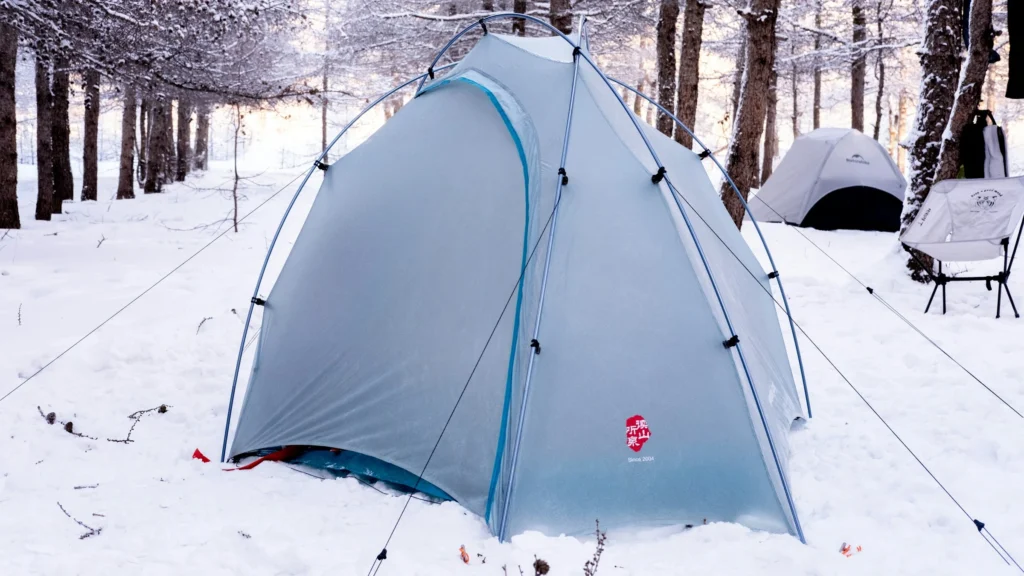
Double-wall tents provide better condensation control and adaptability, making them suitable for longer trips and varied weather conditions. Single-wall tents are lighter and faster to set up, often favored by mountaineers and fast-moving expeditions where weight and speed are priorities.
When Waterproofing Matters
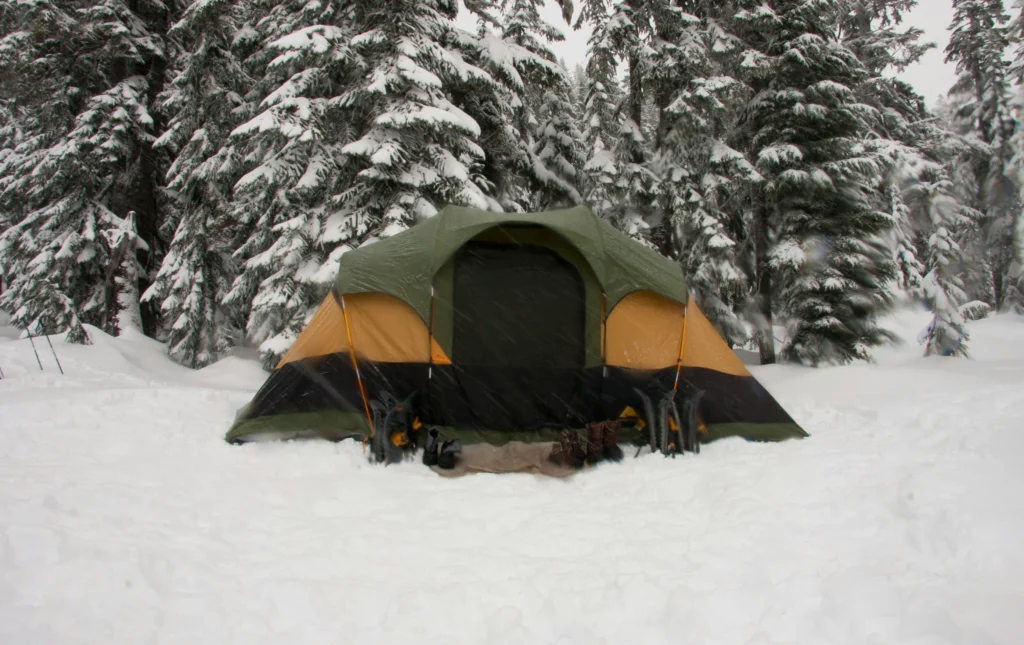
Effective waterproofing protects against snow melt, rain, and wet ground conditions. Fully sealed seams, durable coatings, and strong floor materials are essential for keeping the interior dry. This becomes especially important during prolonged exposure to harsh weather or repeated freeze-thaw cycles.
Why You Should Trust Outdoor Searcher
Outdoor Searcher is built on hands-on testing, practical experience, and honest evaluations, not just product specifications or marketing claims. We assess outdoor gear in real-world conditions to understand how it performs when it truly matters during cold nights, harsh weather, and extended outdoor use. Our goal is to help readers make informed decisions based on performance, durability, and value.
Our recommendations come from testing dozens of products across different categories, carefully comparing specifications, materials, design, and usability. Every tent featured in our guides is selected after side-by-side evaluation to ensure it meets real outdoor demands. We focus on transparency, clear comparisons, and unbiased insights so readers can trust that our picks are based on experience, not hype.
At Outdoor Searcher, we prioritize reliability and long-term performance. Whether you’re planning a winter camping trip or investing in serious outdoor gear, our reviews are designed to guide you toward products that deliver confidence, comfort, and protection in challenging environments.
Performance Analysis and Test Results:
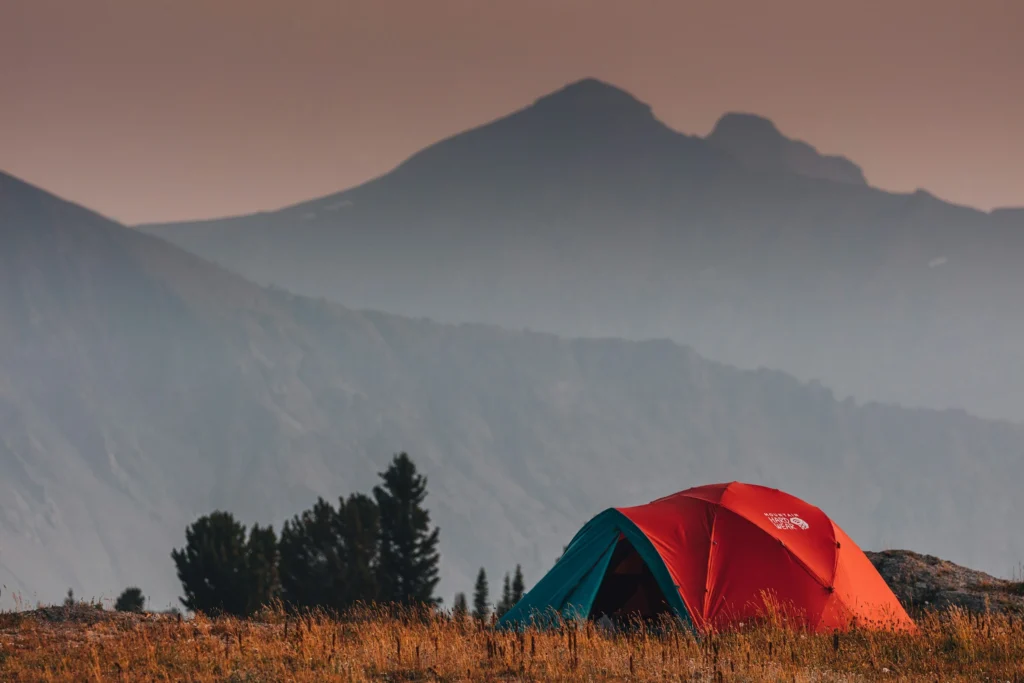
Our performance analysis is based on real-world testing rather than controlled lab measurements. Each 4-season tent was evaluated during setup, extended outdoor use, and exposure to different weather conditions. This approach allowed us to compare how well each tent performs in practical situations and identify strengths that matter most for year-round camping.
Ease of Use
Ease of use was evaluated by focusing on how simple and efficient each tent was to pitch and take down, particularly in cold temperatures and high winds. Tents with intuitive pole layouts, color-coded components, and clear attachment points proved much easier to handle when conditions were less forgiving. We also considered how practical the tent felt during real use, such as adjusting vents, securing guylines, and managing the tent while wearing gloves.
Weather & Storm Resistance
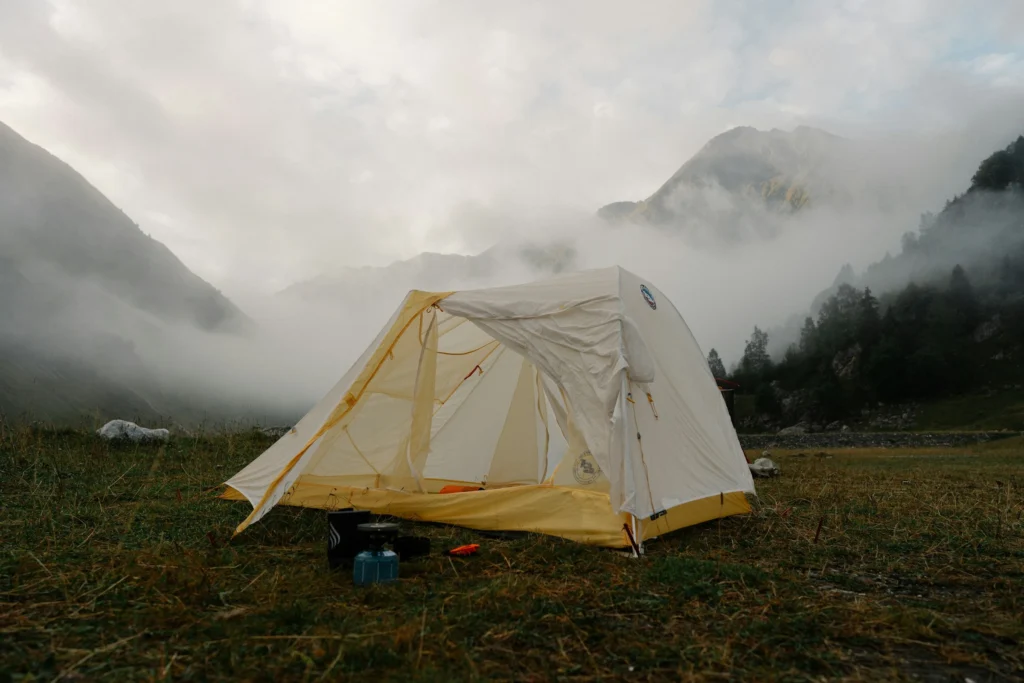
Weather and storm resistance testing focused on how well each tent handled wind, snow accumulation, and moisture. We examined pole strength, fabric durability, and overall structural stability during adverse conditions. Tents with reinforced frames, low-profile designs, and strong anchoring systems offered superior protection, maintaining stability and interior comfort during storms and overnight exposure.
Versatility
Versatility measured how adaptable each tent was across different seasons and camping styles. Some tents performed best in extreme winter conditions, while others balanced cold-weather protection with usability in milder weather. Tents that offered flexible ventilation options, removable components, or adaptable setups proved more useful for campers who want a single shelter for multiple environments.
Weight
Weight was evaluated not just by numbers but by how the tent’s weight affected real-world use. Lightweight tents were easier to carry on long approaches and backpacking trips, while heavier models provided added strength and comfort for basecamp setups. We considered whether the weight felt justified based on the tent’s performance, durability, and intended use.
Quality of Construction
Quality of construction was assessed by closely examining materials, stitching, zippers, pole systems, and overall craftsmanship. Tents built with high-quality fabrics, reinforced stress points, and durable components showed better resistance to wear and tear. Solid construction translates into better longevity and reliability, especially for repeated use in harsh outdoor conditions.
Conclusion
Choosing the best 4-season tent comes down to finding the right balance between weather protection, durability, comfort, and practicality. After extensive testing and comparison, it’s clear that modern 4-season tents offer a wide range of designs suited for different outdoor needs, from lightweight backpacking and alpine expeditions to spacious basecamp and family camping setups.
The tents featured in this guide stood out for their ability to handle harsh weather conditions, including strong winds, snow, and cold temperatures, while still providing reliable comfort and usability. Some models prioritize low weight and packability, while others focus on interior space and long-term durability. Understanding how and where you plan to camp is key to selecting the tent that best fits your adventure style.
By focusing on real-world performance rather than marketing claims, this guide highlights 4-season tents you can trust when conditions become challenging. Whether you’re planning winter camping trips, extended outdoor stays, or year-round adventures, investing in the right 4-season tent ensures safety, comfort, and confidence in demanding environments.
FAQs
What is a 4-season tent?
A 4-season tent is a shelter specifically designed to perform in harsh weather conditions throughout the year, including winter. These tents are built with stronger pole structures, thicker fabrics, and more stable designs to withstand heavy snow, strong winds, and cold temperatures.
Can a 4-season tent be used in summer?
Yes, a 4-season tent can be used during summer, but it may feel warmer than a standard tent due to limited airflow. Many 4-season tents are designed to retain heat, which is beneficial in cold weather but less comfortable in hot conditions. Some models include adjustable vents or removable panels that improve ventilation, making them more suitable for shoulder seasons and mild summer weather.
Are 4-season tents fully waterproof?
Most 4-season tents are highly water-resistant and designed to handle snow melt, rain, and wet ground. They typically feature coated fabrics, sealed seams, and durable floors to keep moisture out. However, waterproof performance can vary by model, so proper setup, seam maintenance, and ground protection all contribute to keeping the interior dry during extended use.
Are 4-season tents fully waterproof?
Most 4-season tents are highly water-resistant and designed to handle snow melt, rain, and wet ground. They typically feature coated fabrics, sealed seams, and durable floors to keep moisture out. However, waterproof performance can vary by model, so proper setup, seam maintenance, and ground protection all contribute to keeping the interior dry during extended use.
What size 4-season tent should I choose?
Choosing the right size depends on the number of occupants and how much gear you plan to store inside the tent. Many campers prefer sizing up slightly to allow extra space for gear, movement, and comfort during bad weather. A roomier tent can make long trips and winter camping more comfortable, especially when conditions force you to spend more time inside.