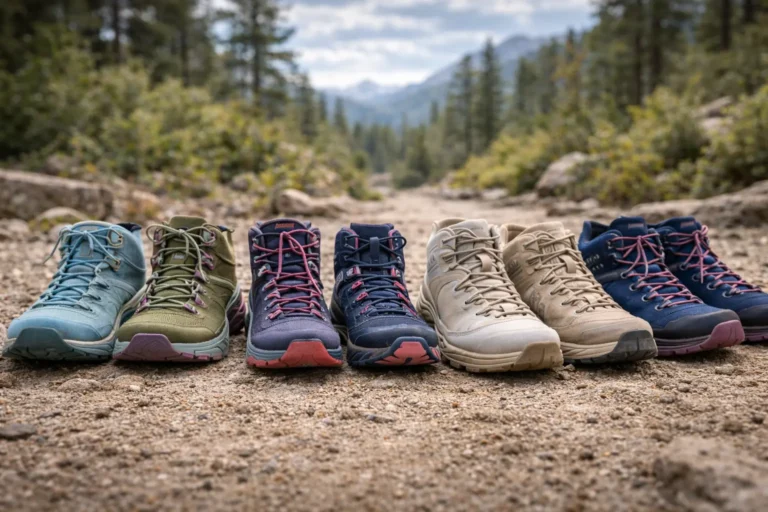
Whether you are climbing steep hills, walking through muddy forests, or just enjoying a weekend hike, the right hiking boots can make your trip much better. The best hiking boots of 2026 are comfortable, have a strong grip, keep your feet dry, and protect your ankles.
Modern hiking boots are now lighter, more breathable, and made to handle all types of trails, easy or tough. This guide covers all kinds of boots, from strong backpacking boots for long trips to budget-friendly ones for short hikes. We tested many different boots and chose only the ones that fit well, grip the ground properly, keep out water, and last a long time. No matter if you hike in snow, rain, or dry heat, there is a great pair here for you.
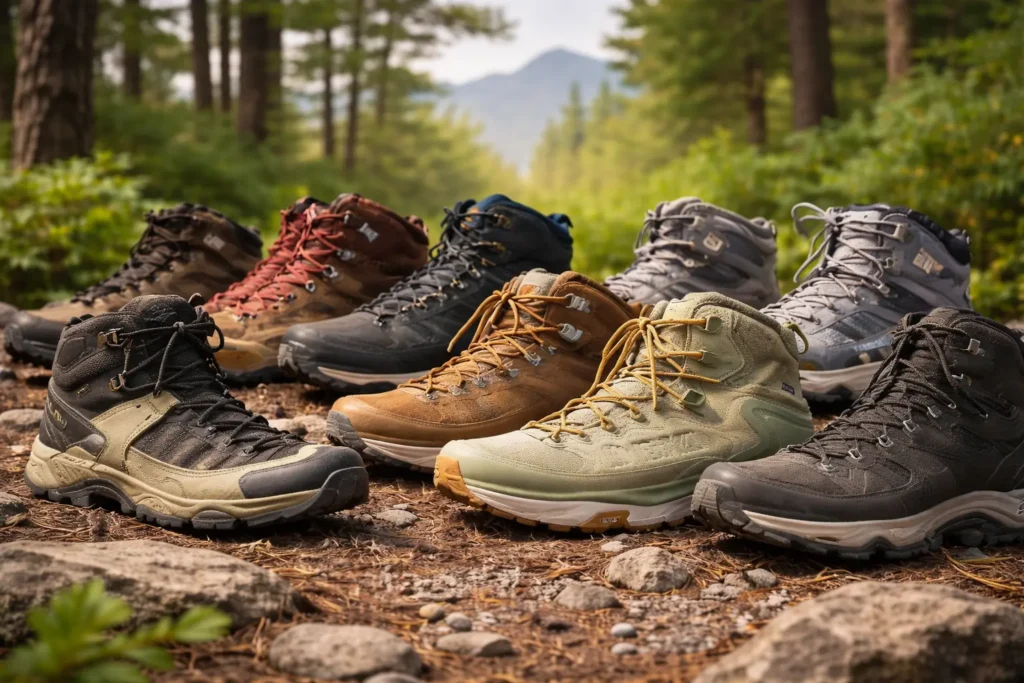
You will find the top 10 hiking boots, including the best overall boot and great options under $100. All picks are based on real trail use, expert testing, and user feedback, so you can trust them to keep your feet safe, supported, and blister-free all year.
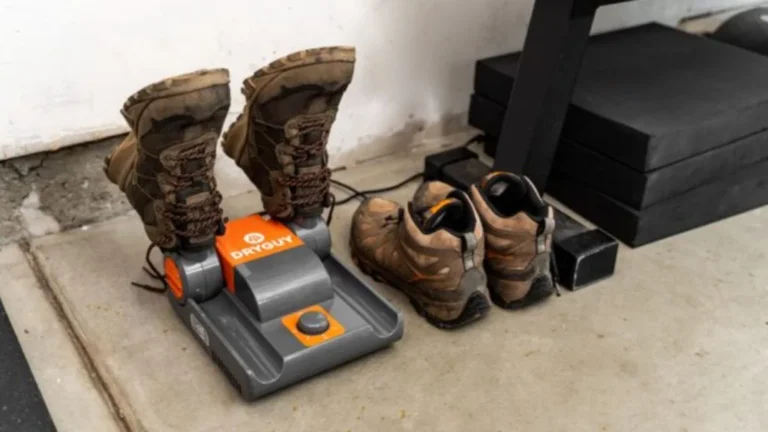
Whether you are a beginner looking for your first hiking boot or a seasoned trekker upgrading your gear, this list will help you make the right choice. Our experts can also review the best boot dryer. You can also read it now. Your next adventure starts with the right boots, and we are here to help you find them. We can also make a detailed review of hiking shoes and trail running shoes by checking each shoe’s quality, weight, and material used.
The Best Hiking Boots Review
When choosing the best hiking boots, it is important to consider a few things, such as how comfortable they are, how well they grip the ground, how they handle water and weather, how strong they are, and how much ankle support they provide. If you are on a budget, the Merrell Moab 3 Mid Waterproof offers solid comfort and grip at a lower price. Another budget-friendly pick under $100 is the Columbia Crestwood Mid–Women’s, which is light, comfy, and great for easy hikes. The Columbia Men’s Newton Ridge Plus is a nice all-around boot with a strong build and waterproof design. Lastly, the ALTRA Lone Peak All-WTHR Mid Women’s is perfect for lightweight hikers who want a roomy fit and flexible support. No matter your hiking style, this list has a boot that will keep your feet safe and happy on the trail.
Editor’s Note: On February 10, 2026, we updated this review to reflect our latest testing and recommendations. We also added the ALTRA Women’s Lone Peak All-WTHR Mid as a new pick for hikers seeking a lightweight, weather-resistant boot with a roomy toe box and natural foot feel.
Related: Best Hiking Boots for Men
Related: Best Hiking Boots for Women
Top Picks for Hiking Boots
Best Overall Hiking Boots
Salomon Quest 4 Gore-Tex
Specifications
- Weight: ~640g (per boot)
- Material: Nubuck leather, textile
- Waterproofing: Gore-Tex
- Outsole: Contagrip TD
- Support: High ankle
- Fit: Regular with locking eyelets
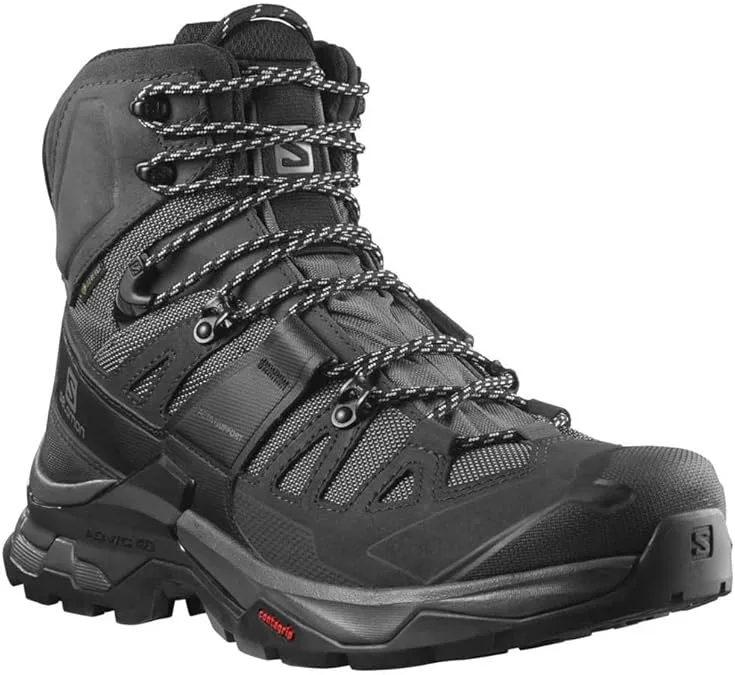
Weight (Per Pair): 3.27 pounds
REASONS TO BUY
- Exceptional ankle and heel support
- Highly durable for rugged use
- Excellent grip on mixed terrain
- Fully waterproof and breathable
REASONS TO AVOID
- Slightly heavy for ultralight hikers
- Requires a break-in period
The Salomon Quest 4 Gore-Tex is built for serious hikers and backpackers who need maximum support, protection, and reliability on long and demanding trails. Designed with a high-cut profile, this boot provides excellent ankle stability, which is especially important when hiking on uneven ground, rocky terrain, or while carrying a heavy backpack. Salomon’s ADV-C 4D chassis plays a key role here, guiding foot movement and helping prevent ankle twists without making the boot feel stiff or restrictive.
Best Hiking Boots for Women
La Sportiva Ultra Raptor II Mid GTX
Specifications
- Weight: 450g (per boot)
- Upper Material: Breathable mesh with synthetic overlays
- Waterproofing: Gore-Tex Extended Comfort
- Outsole: FriXion XF 2.0 rubber with aggressive lugs
- Fit: Women-specific, narrow heel fit
- Best Use: Fast hiking, trail scrambling
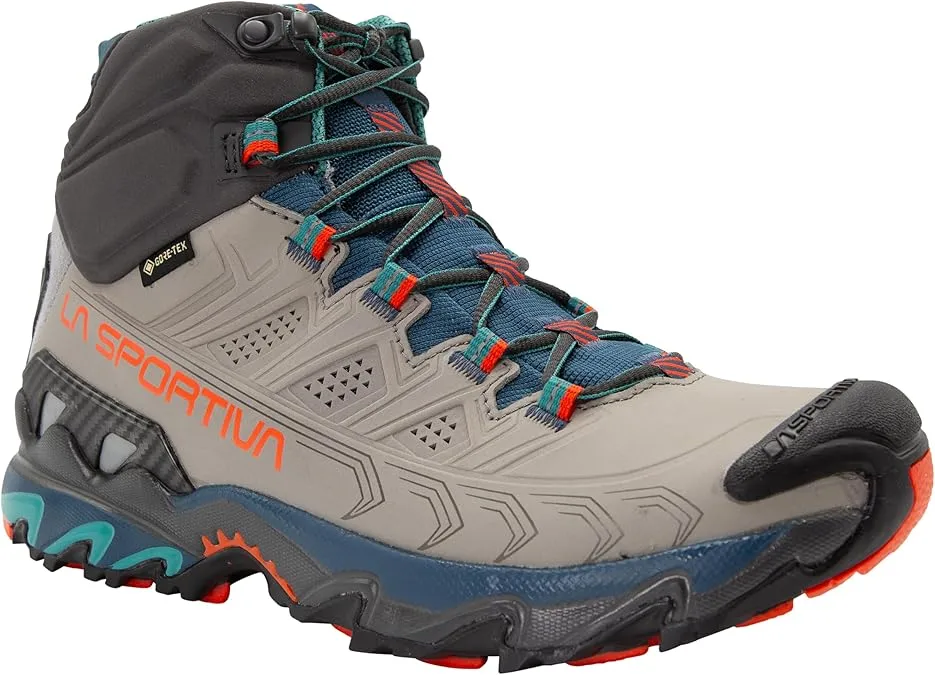
Weight: 450 g /16 oz per shoe
REASONS TO BUY
- Very lightweight and agile
- Trail-runners feel with mid-cut protection
- Secure, comfortable fit for narrow feet
- Breathable yet waterproof
REASONS TO AVOID
- Less ankle protection for heavy loads
- Not ideal for cold or snowy weather
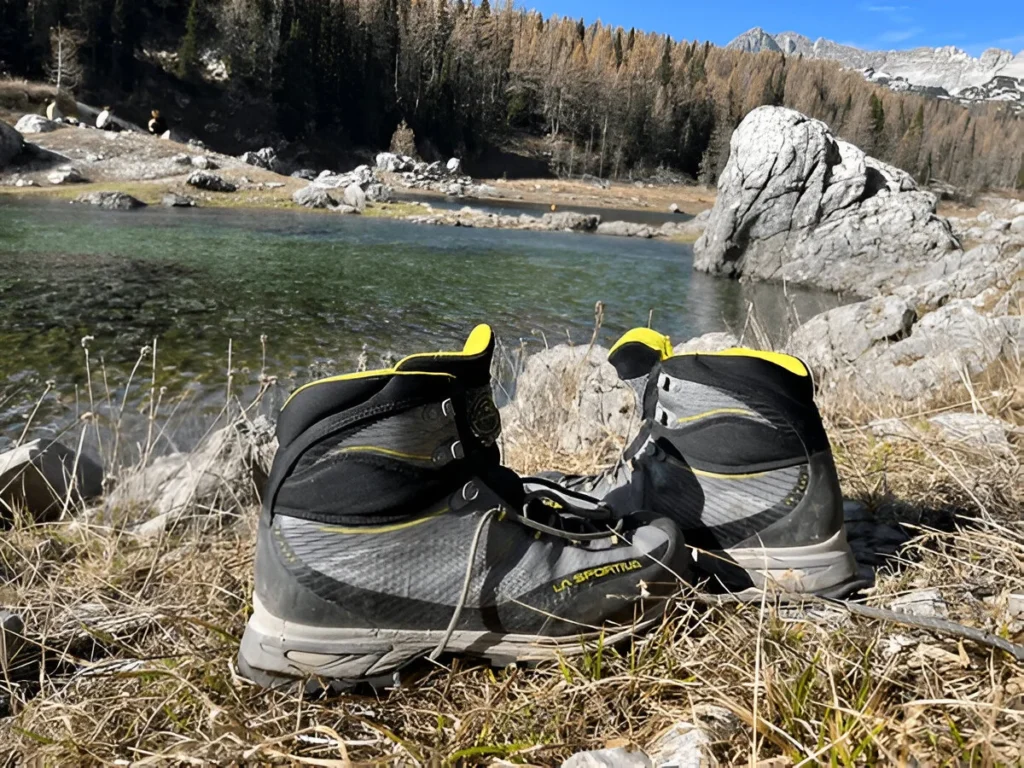
The La Sportiva Ultra Raptor II Mid GTX Women’s is a versatile hybrid that sits perfectly between a trail running shoe and a traditional hiking boot. It’s designed for women who prefer to move fast and light on the trail but still need reliable protection and support for long hikes, rocky terrain, and technical routes. The boot has a snug, performance-oriented fit that feels secure without being heavy, making it well-suited for active hiking and mountain adventures.
Best Men’s Value Boot
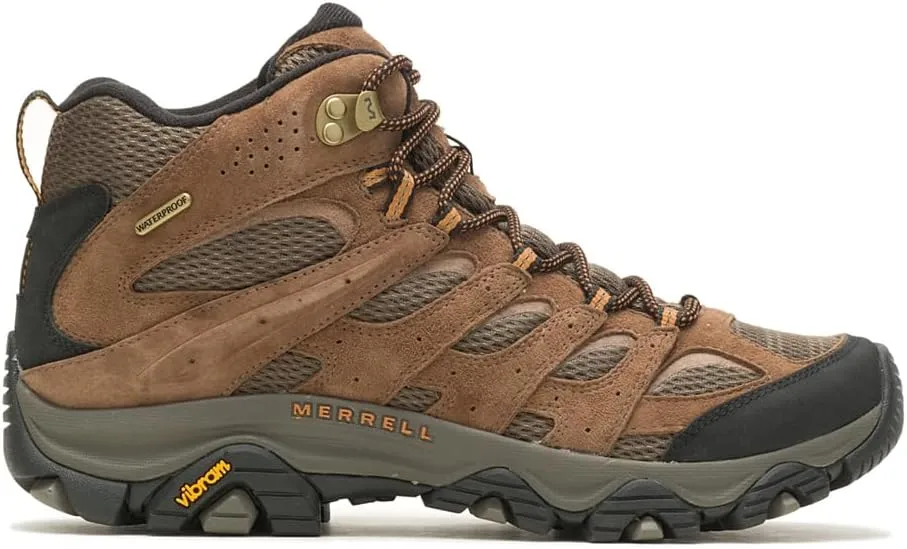
Merrell Moab 3 Mid Waterproof
Specifications
- Weight: ~850g (per pair)
- Upper Material: Suede leather and mesh
- Waterproofing: M Select DRY barrier
- Outsole: Vibram TC5+ rubber
- Cushioning: Air Cushion in the heel
- Fit: Wide toe box; standard width
REASONS TO BUY
- Excellent value for casual and weekend hikers
- Comfortable straight out of the box
- Reliable grip for varied trail conditions
- Breathable and well-padded
REASONS TO AVOID
- A bit bulky for minimalist hikers
- Durability may decrease over time
The Merrell Moab 3 Mid Waterproof remains one of the most popular and trusted hiking boots on the market, and the 2026 update makes it even better. Known for its comfort and reliability, this boot is designed for casual hikers, weekend adventurers, and everyday outdoor use. The latest version features improved arch support, more eco-friendly materials, and an updated outsole that enhances grip and durability on the trail.
Underfoot, the Vibram TC5+ outsole provides dependable traction on a wide range of surfaces, including dirt trails, gravel paths, and uneven ground. While it’s not built for highly technical or alpine terrain, it performs confidently on moderate hikes and well-maintained trails. The M Select DRY waterproof lining helps keep feet dry in light rain, wet grass, and muddy sections, while still allowing some breathability for day-long comfort.
Best Women’s Value Boot
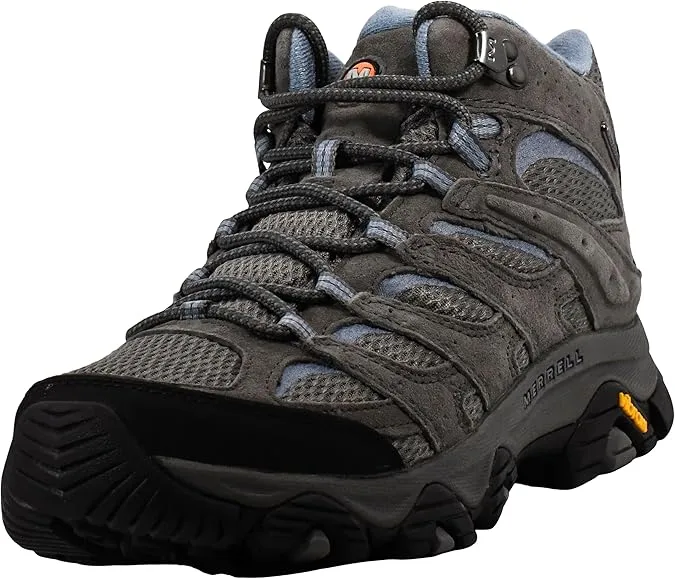
Merrell Moab 3 Mid WP
Specifications
- Weight: ~790g (per pair)
- Upper Material: Suede leather and mesh
- Waterproofing: M Select DRY membrane
- Outsole: Vibram TC5+
- Fit: Tailored for women (narrower heel)
- Best Use: Day hiking, trail walking
REASONS TO BUY
- Comfortable and lightweight
- Women-specific ergonomic fit
- Affordable without sacrificing features
- Good traction and support
REASONS TO AVOID
- Not suitable for intense backpacking
- It may feel narrow for wide feet
The Merrell Moab 3 Mid WP Women’s is a reliable and comfortable hiking boot designed specifically for women who want solid support and great value without spending a premium. Built on the same trusted platform as the men’s version, it features a women-specific fit, including a narrower heel and enhanced arch support, which helps improve comfort and stability during long walks and day hikes.
The upper combines suede leather and breathable mesh, allowing airflow to keep feet comfortable while still offering protection from trail debris. The M Select DRY waterproof membrane helps block out moisture from wet grass, light rain, and muddy sections, making this boot well-suited for changing trail conditions without feeling overly warm or stiff.
Best Waterproof Hiking Boots
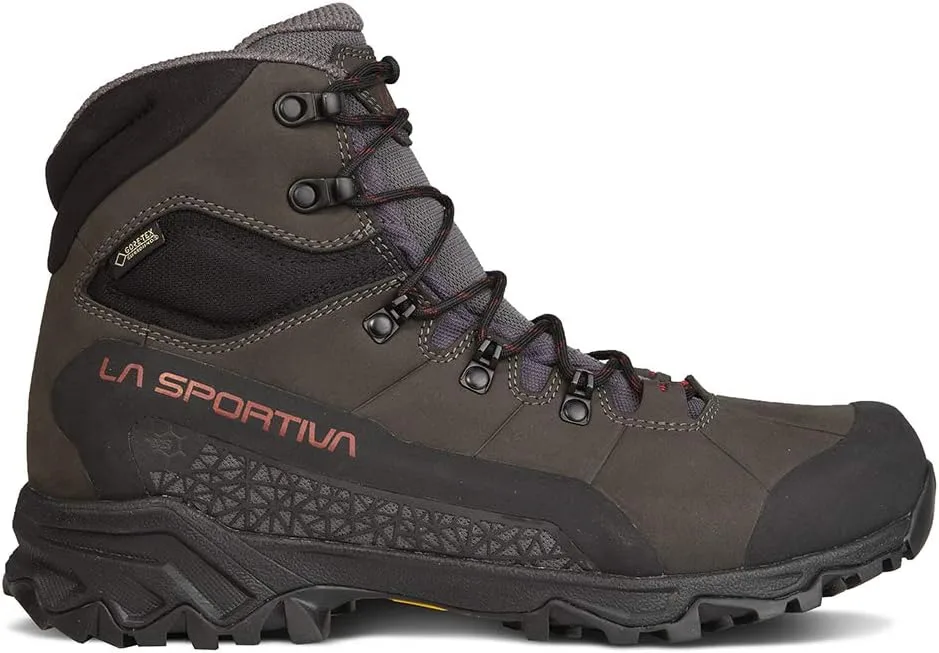
La Sportiva Nucleo High II GTX – Men
Specifications
- Weight: ~560g (per boot)
- Upper Material: Nubuck leather
- Waterproofing: Gore-Tex Surround technology
- Outsole: Vibram Nano XS Trek
- Support Level: High-cut with ankle stability
- Best Use: Backpacking, alpine trekking
REASONS TO BUY
- Fully waterproof with high breathability
- Excellent support for heavy loads
- Long-lasting build and premium materials
- Secure, locked-in fit
REASONS TO AVOID
- Higher price point
- Feels stiff during the first few uses
The La Sportiva Nucleo High II GTX is a premium hiking boot built for demanding trails and challenging weather conditions. Designed for serious hikers, it combines durable nubuck leather with advanced Gore-Tex Surround technology, delivering full waterproof protection while maintaining excellent breathability. This unique construction allows moisture and heat to escape from all sides of the foot, helping keep feet dry and cool even during long hikes in wet environments.
Underfoot, the Vibram Nano XS Trek outsole provides outstanding traction on muddy, steep, and slippery terrain. The outsole grips confidently on wet rock, loose gravel, and uneven trails, offering stability on both ascents and descents. A supportive midsole and high-cut design add ankle stability and underfoot protection, making the boot well-suited for rugged terrain and long days on the trail.
Best Waterproof Boot for Women
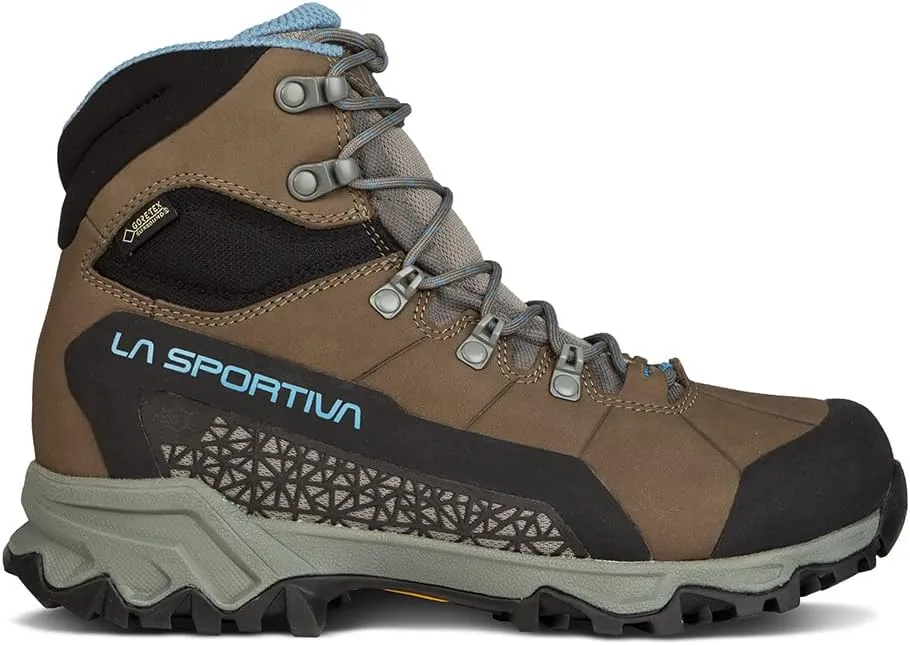
La Sportiva Nucleo High II GTX
Specifications
- Weight: ~540g (per boot)
- Upper Material: Nubuck leather
- Waterproofing: Gore-Tex Surround membrane
- Outsole: Vibram Nano XS Trek
- Fit: Women-specific heel and arch fit
- Best Use: Wet climates, backpacking, alpine terrain
REASONS TO BUY
- Excellent waterproofing and breathability
- Stable, secure fit tailored for women
- Durable materials for long treks
- Great traction on slippery or rocky trails
REASONS TO AVOID
- Slightly stiff out of the box
The La Sportiva Nucleo High II GTX Women’s is a high-performance hiking boot designed for women who regularly tackle wet, rugged, and steep terrain. Built with premium nubuck leather and advanced Gore-Tex Surround technology, it delivers full waterproof protection while allowing heat and moisture to escape from all sides of the foot. This keeps feet dry and comfortably cool, even during long hikes in rainy or humid conditions.
Designed with a women-specific fit, the boot features a narrower heel and anatomically shaped arch that provides a secure, supportive feel without pressure points. Underfoot, the Vibram XS Trek outsole offers excellent traction on slippery rocks, muddy trails, and uneven mountain paths, giving confidence on both climbs and descents. The shock-absorbing midsole helps reduce impact and foot fatigue, making it well-suited for long backpacking trips and extended mountain treks.
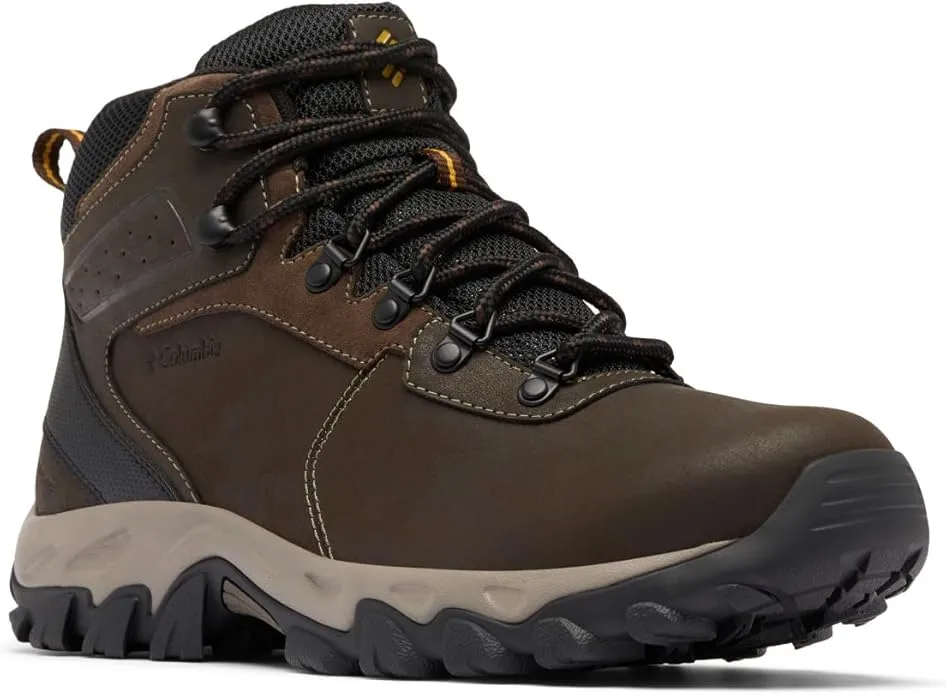
Columbia Men’s Newton Ridge Plus
Specifications
- Weight: ~450g (per boot)
- Upper Material: Leather with mesh panels
- Waterproofing: Omni-Tech seam-sealed membrane
- Outsole: Omni-Grip traction rubber
- Fit: Standard cut, medium width
- Best Use: Trail hiking, light backpacking
REASONS TO BUY
- Affordable and widely available
- Solid waterproof protection
- Comfortable for casual or beginner hikers
- Stylish enough for off-trail wear
REASONS TO AVOID
- Not ideal for rugged terrain or heavy packs
- Less breathable than mesh-heavy options
The Columbia Newton Ridge Plus is a solid option for men who want an affordable, comfortable, and good-looking hiking boot for everyday outdoor use. Built with a combination of durable leather and breathable mesh, it strikes a nice balance between protection and airflow, making it suitable for a wide range of casual hiking conditions.
The boot features Columbia’s Omni-Tech waterproof lining, which helps keep feet dry in light rain, wet grass, and damp trail conditions while remaining breathable enough for day-long comfort. Underfoot, the Omni-Grip rubber outsole provides dependable traction on smooth dirt paths, gravel, and uneven terrain, offering confidence during light to moderate hikes. While it’s not designed for steep or highly technical mountain trails, it performs reliably on well-maintained routes and gentle inclines.
Best Hiking Boots for Under $100
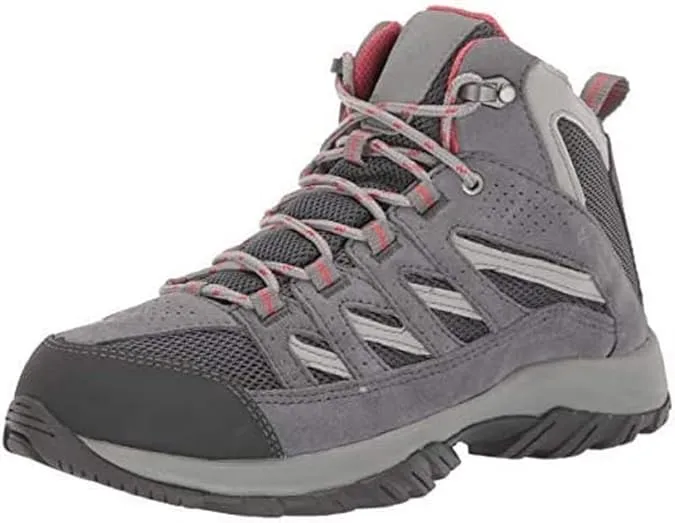
Columbia Crestwood Mid – Women’s
Specifications
- Weight: ~370g (per boot)
- Upper Material: Suede leather and mesh
- Waterproofing: Omni-Tech waterproof bootie
- Outsole: Omni-Grip multi-terrain rubber
- Fit: Lightweight mid-cut for women
- Best Use: Light trails, travel, dry hikes
REASONS TO BUY
- Extremely budget-friendly
- Lightweight and easy to wear
- Breathable mesh for warm-weather use
- Ideal for casual hikers or short trips
REASONS TO AVOID
- Not built for heavy-duty trekking
- Limited ankle and toe protection
The Columbia Crestwood Mid Women’s is an excellent budget-friendly hiking boot for women who want comfort, lightweight performance, and reliable protection without spending a lot. Often priced under $100, it’s especially well-suited for beginners, casual hikers, and weekend adventurers who want a dependable boot for easy to moderate trails. The upper combines breathable mesh with soft suede overlays, helping keep feet cool and comfortable during warm-weather hikes.
The boot features Columbia’s Omni-Tech waterproofing, which offers protection against light rain, puddles, and damp grass while still allowing some airflow. This makes it a good option for unpredictable weather and morning hikes where moisture is common. The mid-cut design provides basic ankle support without adding unnecessary weight or stiffness, keeping the boot flexible and easy to move in.
Best Off-Trail Hiker
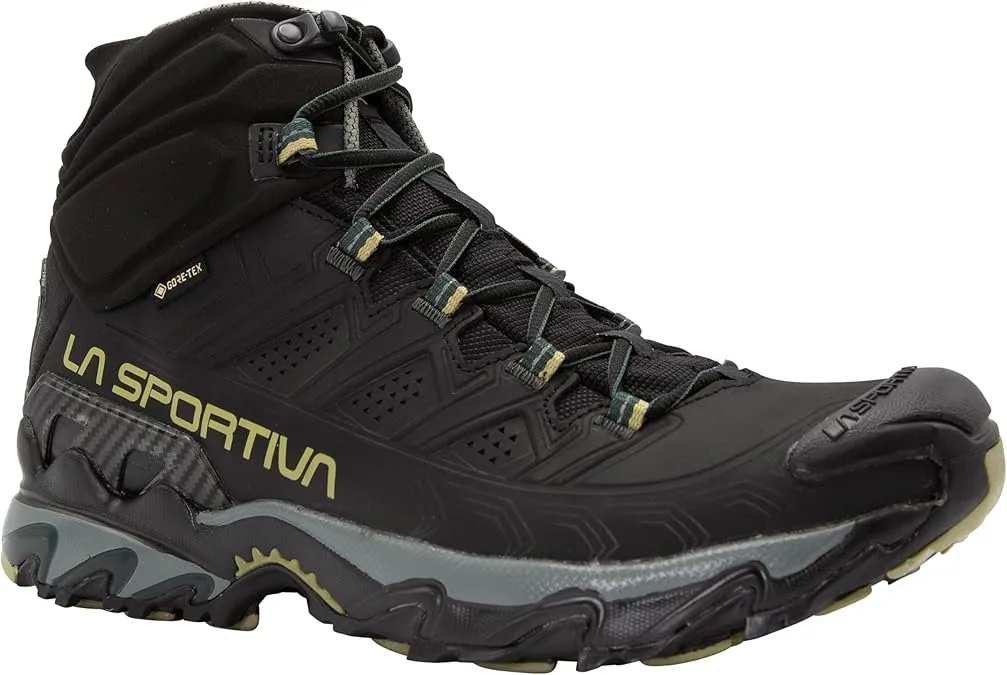
La Sportiva Ultra Raptor II Mid GTX – Men
Specifications
- Weight: ~410g (per boot)
- Upper Material: Abrasion-resistant mesh with overlays
- Waterproofing: Gore-Tex Extended Comfort
- Outsole: FriXion XF 2.0 with Impact Brake System
- Fit: Mid-cut men-specific with padded heel
- Best Use: Scrambling, rocky trails, fast hiking
REASONS TO BUY
- Excellent grip and traction on rock and gravel
- Breathable and flexible for fast-paced hikes
- Lightweight yet durable
- Great lockdown fit for uneven terrain
REASONS TO AVOID
- Less cushioning than traditional boots
The La Sportiva Ultra Raptor II Mid GTX Men’s is an excellent choice for speed hikers and mountain adventurers who want a boot that feels light and agile but still delivers the protection and support needed for challenging terrain. Inspired by trail running design, this boot features a durable mesh upper paired with a Gore-Tex waterproof lining, keeping feet dry in wet weather, snow patches, and high-altitude conditions without sacrificing breathability.
On the trail, the FriXion XF outsole provides strong, dependable traction on loose dirt, gravel, rocky paths, and steep switchbacks. The deep lug pattern grips well during both climbs and descents, helping maintain control on technical terrain. Although it looks similar to a trail running shoe, the mid-height collar adds noticeable ankle support and protection, giving extra confidence on uneven ground and fast-paced hikes.
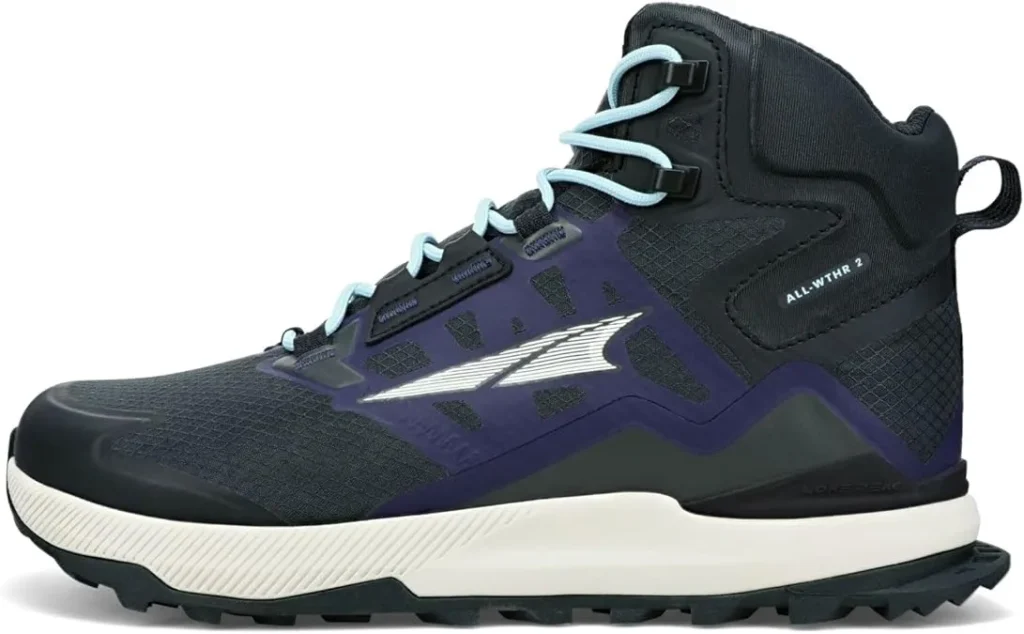
ALTRA Women’s Lone Peak All-WTHR Mid
Specifications
- Weight: ~430g (per boot)
- Upper Material: eVent waterproof mesh
- Waterproofing: eVent bootie construction
- Outsole: MaxTrac rubber with TrailClaw lugs
- Fit: FootShape wide toe box, zero drop platform
- Best Use: Thru-hikes, light treks, everyday use
REASONS TO BUY
- Natural foot movement with zero drop
- Lightweight and highly flexible
- Great for wide feet or long-distance hikers
- Stylish enough for travel or casual wear
REASONS TO AVOID
- Not ideal for steep or rugged alpine use
The ALTRA Lone Peak All-WTHR Mid Women’s is an excellent option for hikers who want a lightweight, flexible boot that feels closer to a trail running shoe than a traditional hiking boot. Designed around Altra’s signature zero-drop platform and wide, foot-shaped toe box, it allows your feet to move naturally and spread out as you walk. This natural positioning helps reduce pressure on the toes and forefoot, making it especially comfortable for long-distance hikes.
The boot features an eVent waterproof upper, which keeps water out while still allowing heat and sweat to escape. This balance helps prevent overheating and moisture buildup, even during extended hikes. Underfoot, the MaxTrac outsole provides reliable traction on dirt trails, gravel, and mixed terrain. While it’s not intended for steep alpine climbs or very rocky mountain routes, it performs confidently on everyday hikes, backpacking trips, and long walks across varied trail conditions.
How We Tested The Best Hiking Boots
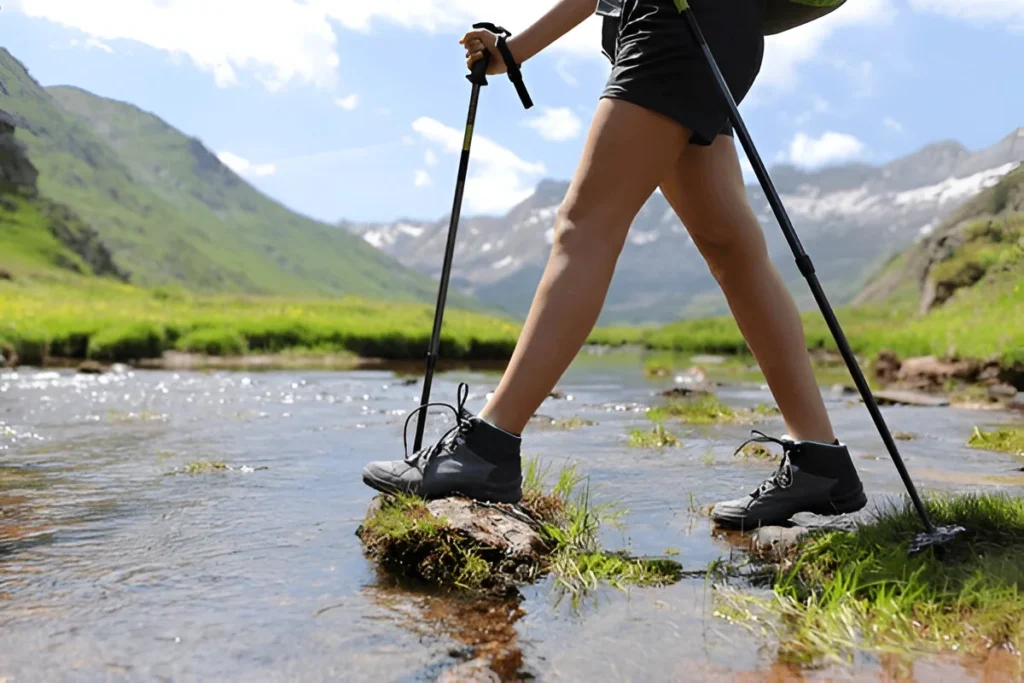
We tested these hiking boots on real trails and in real conditions, including rain, mud, rocky paths, loose gravel, and dry, hot environments. Each pair was worn for many miles on day hikes, weekend trips, and longer outings, often while carrying heavy backpacks, to accurately evaluate performance under realistic hiking loads. This allowed us to see how the boots handled changing terrain, long hours on foot, and fatigue over time.
During testing, we closely evaluated comfort, support, traction, and waterproof performance. We paid attention to how well each boot stabilized the foot on uneven ground, how confident it felt on wet or slippery surfaces, and whether it kept feet dry without causing overheating. Grip on climbs and descents was tested on both dry and muddy trails, while cushioning and midsole support were assessed during long hikes to identify pressure points or discomfort.
Our testing process measures every hiking boot through five essential metrics:
- Comfort
- Durability
- Water Resistance
- Weight
- Traction
Performance Analysis and Test Results
Comfort
Comfort was one of the most important factors in our testing, especially during long hikes and multi-hour wear. We closely evaluated how each boot felt from the moment it was put on through extended use on the trail. Boots with well-cushioned midsoles, supportive footbeds, and smooth interior linings performed best, helping reduce fatigue and strain over long distances.
We also paid close attention to fit and foot shape compatibility. Boots that followed the natural shape of the foot, offered adequate toe room, and provided secure heel support without pressure points scored higher. Any signs of hot spots, rubbing, or discomfort were noted during testing. The most comfortable boots balanced softness and support, working well for different foot types and hiking styles while maintaining comfort mile after mile.
Support
Support was evaluated by examining how well each boot stabilized the foot and ankle across uneven, rocky, and sloped terrain. We focused on key elements such as ankle height, midsole firmness, torsional rigidity, and how securely the heel stayed locked in place during climbs and descents. Boots that prevented excessive foot movement and provided a stable platform scored higher in this category.
High-cut and mid-cut designs generally offered better ankle protection and lateral stability, especially when carrying heavy backpacks or hiking on rough trails. Models like the Salomon Quest 4 stood out by delivering excellent support through a structured upper and a strong midsole that helped guide foot movement and reduce ankle strain. Boots with good heel lockdown and balanced stiffness inspired more confidence on technical terrain and during long, demanding hikes.
Traction
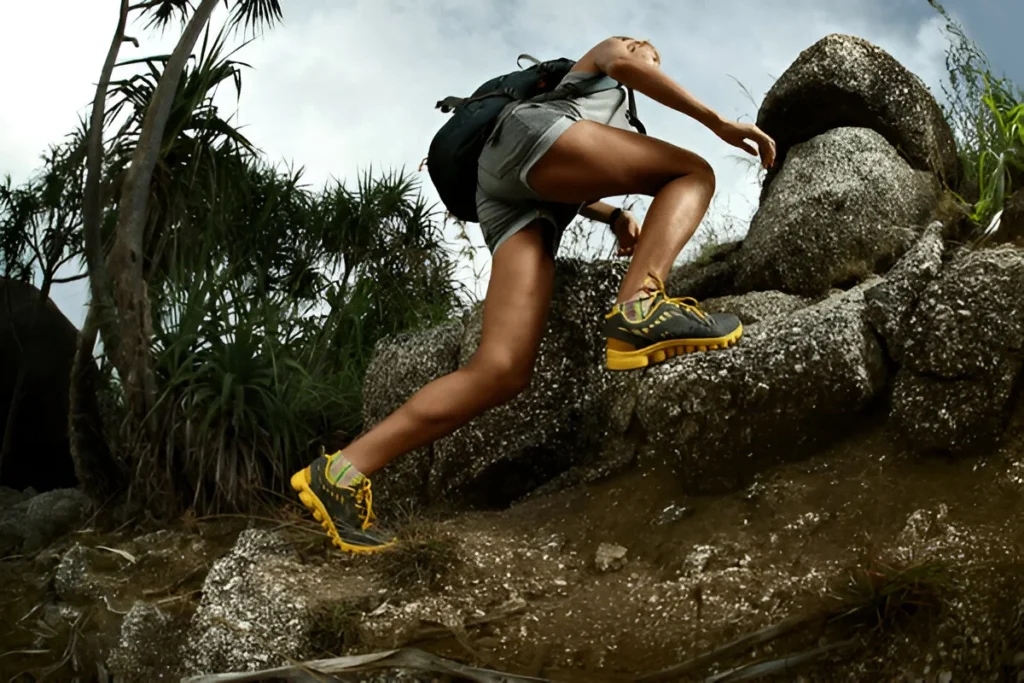
Traction testing focused on how well each boot maintained grip across a variety of trail surfaces, including dry dirt, loose gravel, wet rocks, mud, and uneven terrain. We paid close attention to how confidently each outsole handled both ascents and descents, as slipping or loss of control is most noticeable on steep or slick sections of trail.
Boots equipped with Vibram outsoles and deep, well-spaced lugs consistently performed the best. These aggressive tread patterns helped bite into soft ground, shed mud more effectively, and maintain traction on wet or slippery surfaces. Strong traction not only improved safety but also allowed for better control and confidence when hiking on technical trails or in changing weather conditions.
Water Resistance
Water resistance was tested by wearing each boot in real wet conditions, including steady rain, shallow puddles, wet grass, muddy trails, and damp ground over extended hikes. We focused on how well the boots prevented moisture from entering while remaining comfortable during prolonged exposure to wet environments.
Boots equipped with Gore-Tex membranes or high-quality DWR (Durable Water Repellent) coatings performed the best, consistently keeping feet dry without trapping excessive heat or sweat. We also paid attention to sealed seams, tongue gussets, and how water-resistant the uppers remained after repeated use.
Durability
Durability was evaluated by monitoring how each boot held up after many miles of repeated use across rough and varied terrain. We closely inspected areas that typically wear out first, including the toe box, heel, outsole edges, stitching, and midsole bonding. Any signs of excessive scuffing, fraying, or material breakdown were carefully noted during and after testing.
Boots built with leather or nubuck uppers, reinforced stitching, and protective toe caps consistently proved the most durable. These models showed minimal damage over time and maintained their structure even after exposure to rocks, debris, and wet conditions. Strong outsole bonding and solid construction helped prevent issues like sole separation, making these boots better suited for long-term use and demanding hikes.
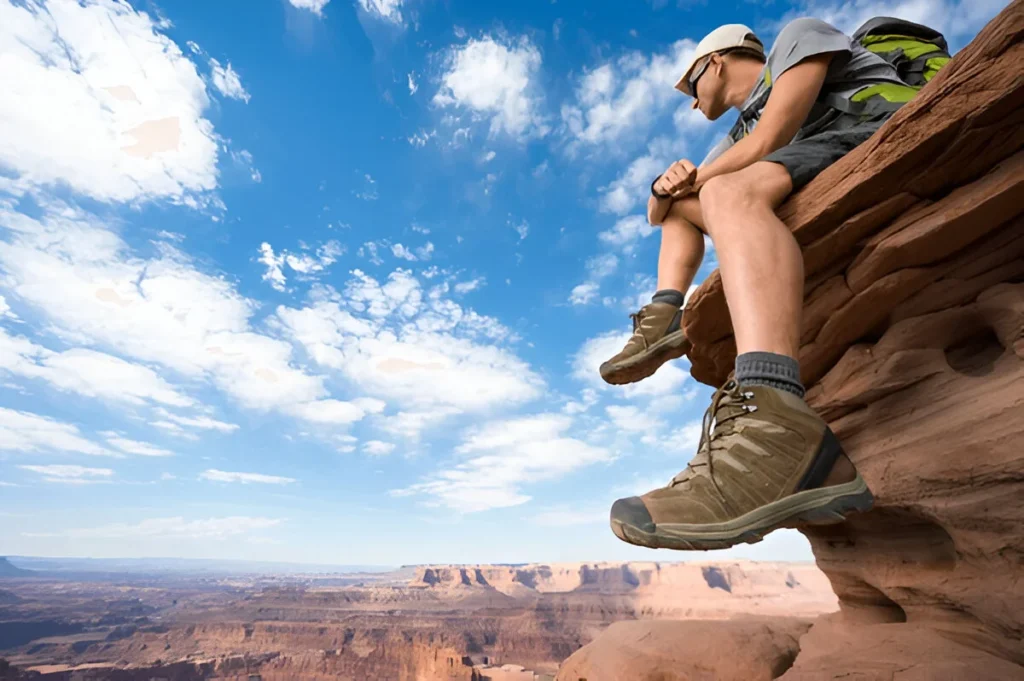
What’s the Right Size for Hiking Boots?
Choosing the correct size is one of the most important steps in finding comfortable hiking boots. Always try boots on while wearing the same socks you plan to use on the trail, as thicker hiking socks can significantly affect fit. When standing, your toes should have enough room to move freely and should not touch the front of the boot, even when walking downhill.
Your heel should feel snug and secure, with little to no slipping as you walk. Excessive heel movement can lead to blisters and discomfort over long distances. If you frequently hike on steep or downhill terrain, sizing up by half a size can provide extra toe room and help prevent bruised toenails during descents.
If standard sizing doesn’t feel quite right, look for boots that offer wide or narrow fit options to better match your foot shape. Taking the time to get the right fit greatly reduces the risk of blisters, hot spots, and foot fatigue, helping keep your feet comfortable and supported throughout the entire hike.
Hiking Boot Buying Advice
Hiking Boot Categories
- Light Hiking Boots: Great for day hikes and short trips.
- Backpacking Boots: Durable for carrying heavy loads.
- Mountaineering Boots: Built for snow, ice, and altitude.
Weight
The weight of a hiking boot plays a major role in how it feels over long distances. Lightweight boots are easier to walk in, feel more agile, and generally cause less fatigue, making them a great choice for day hikes, fast-paced trips, and well-maintained trails. They allow for more natural movement and can make long hikes feel less tiring overall.
Heavier boots, on the other hand, usually provide greater stability, durability, and protection. They are better suited for rough terrain, rocky trails, and hikes that involve carrying heavy backpacks. While they may feel bulkier at first, the added structure helps protect your feet and ankles in challenging conditions.
The best choice depends on your hiking style and the type of trails you tackle most often. If speed and comfort are your priority, a lighter boot may be ideal. If you need maximum support and protection on demanding terrain, a heavier boot is often worth the extra weight.
Waterproofing
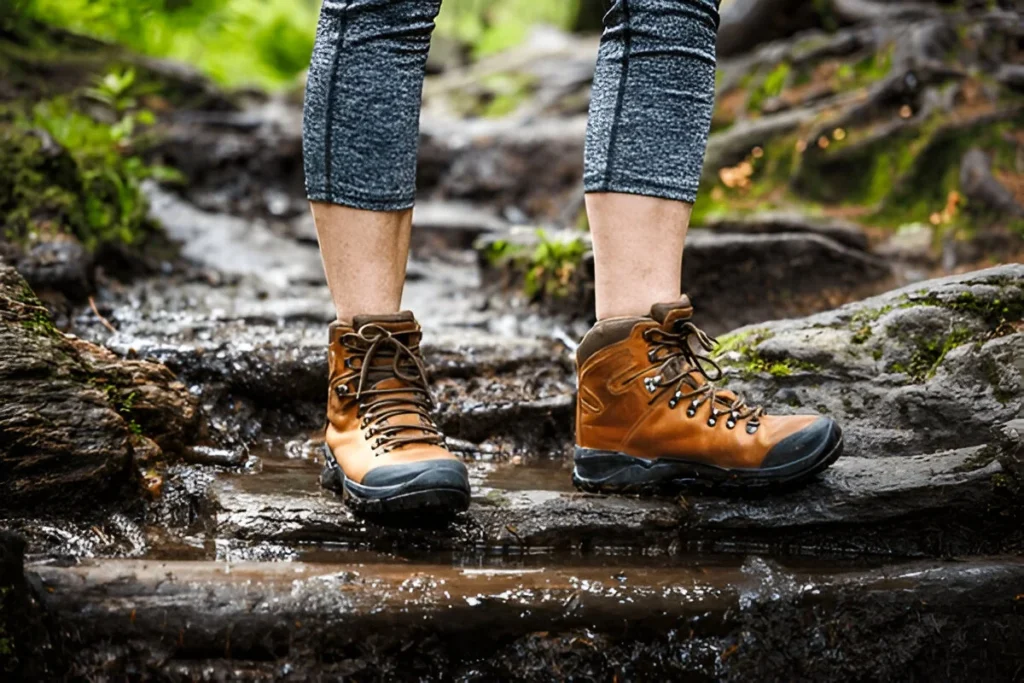
Waterproofing is an important feature to consider, especially if you often hike in wet or unpredictable weather. Boots with Gore-Tex membranes or waterproof leather uppers are designed to block moisture from rain, puddles, stream crossings, and wet grass. These materials help keep your feet dry and comfortable during long hikes in damp conditions, reducing the risk of blisters and cold feet.
However, waterproof boots are not always the best choice for every environment. Non-waterproof boots typically offer better breathability and tend to dry faster once wet, making them more comfortable in hot, dry climates or during high-output hikes. In these conditions, staying cool and preventing sweat buildup can be more important than keeping water out.
The best option depends on where and when you hike. If wet trails and changing weather are common, waterproof boots are a smart investment. If you mostly hike in dry, warm conditions, a breathable non-waterproof boot may provide better overall comfort.
Breathability
Breathability plays a key role in keeping your feet cool, dry, and comfortable, especially during warm-weather hikes or long days on the trail. Boots with mesh panels, breathable linings, or built-in venting zones allow air to circulate the foot, helping heat and moisture escape as you move.
Good airflow reduces sweat buildup inside the boot, which in turn lowers the risk of blisters, hot spots, and discomfort over extended hikes. Breathable boots are particularly beneficial on sunny trails, dry climates, or high-output hikes, where foot temperature can rise quickly.
While highly breathable boots may sacrifice some waterproof protection, they often feel more comfortable in warm conditions. Choosing the right balance between breathability and waterproofing depends on the climate you hike in most often and how much moisture you expect to encounter on the trail.
Support and Stability
Support and stability are essential for staying confident and balanced on rocky, uneven, or sloped terrain. Boots with strong ankle support, a firm midsole, and a structured upper help keep the foot aligned and prevent excessive movement. This reduces the risk of ankle twists, slips, and missteps, especially on technical trails.
A supportive midsole also plays a key role in distributing weight evenly across the foot, which helps reduce pressure points and minimize foot fatigue during long hikes. When carrying a heavy backpack, added stability becomes even more important, as extra weight increases strain on the feet and ankles. Boots that combine solid ankle support with a stable platform provide better control and comfort throughout extended or demanding hikes.
Midsole Types
- EVA Foam: Lighter and more cushioned.
- PU Foam: Firmer and more durable for long treks.
Sustainability
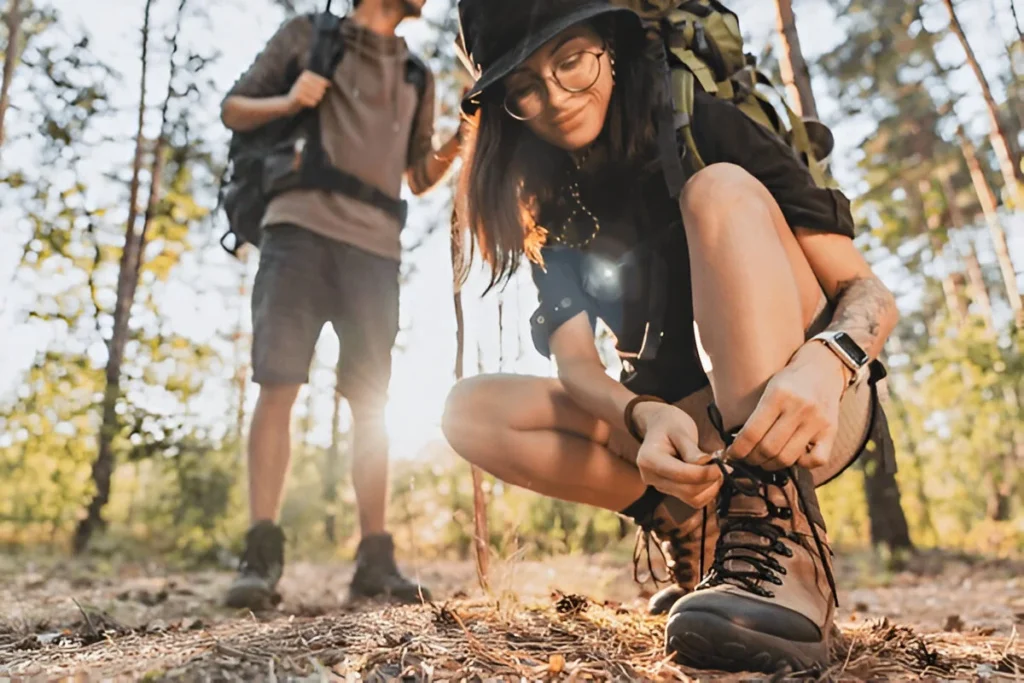
Sustainability is becoming an increasingly important factor in hiking boot design, with many brands now focusing on reducing their environmental impact. More manufacturers are using recycled materials, responsibly sourced leather, and eco-friendly production processes to create boots that are better for the planet without sacrificing performance or durability.
If sustainability matters to you, look for boots that highlight recycled components, low-impact dyes, or environmentally responsible manufacturing practices. Some brands also focus on long-lasting construction, which reduces waste by helping boots last longer before needing replacement. Choosing sustainable footwear is a small but meaningful step toward protecting the trails and natural spaces we love to explore, allowing you to hike with greater peace of mind.
Lacing Systems
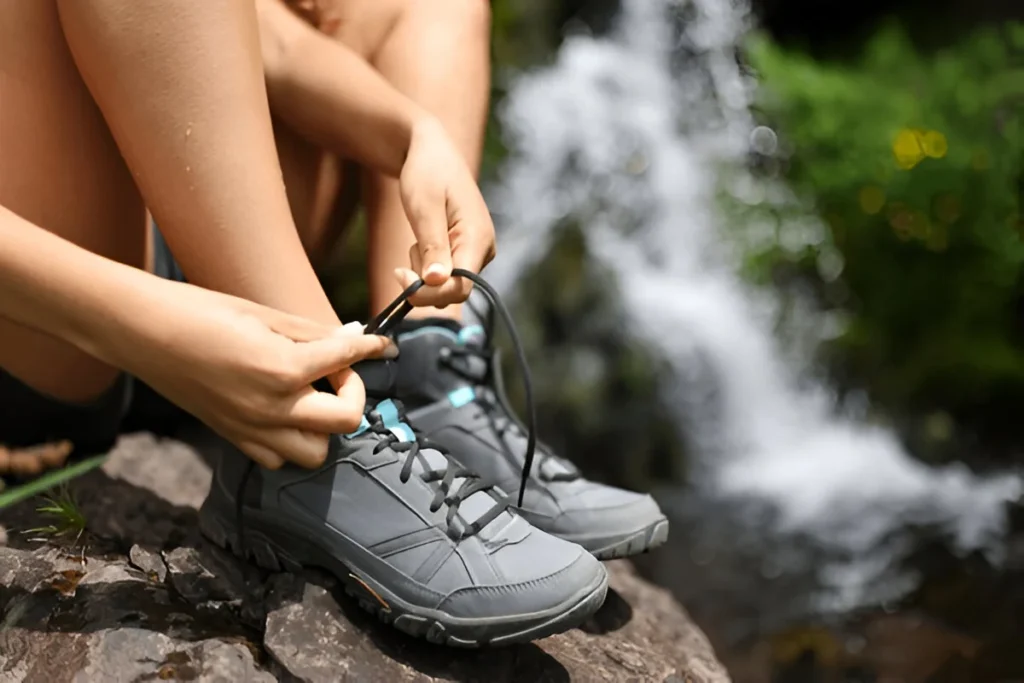
A well-designed lacing system plays a major role in how secure and comfortable a hiking boot feels on the trail. Quality systems use a combination of durable eyelets, locking hooks, and speed laces to allow precise adjustments across different parts of the foot. This makes it easier to fine-tune the fit around the forefoot, midfoot, and ankle.
Customizable lacing helps keep the foot locked in place, reducing unwanted movement that can lead to blisters, hot spots, or loss of control on steep climbs and downhill sections. Being able to loosen or tighten specific zones also improves comfort during long hikes, when feet may swell over time. A good lacing system adds confidence and stability, giving you better control and comfort on every hike.
Upper Materials
The upper is the top portion of a hiking boot and plays a major role in durability, comfort, and weather protection. Different materials are used depending on the type of hiking the boot is designed for. Leather uppers, including full-grain and nubuck leather, are known for their strength and durability. They offer excellent protection against rocks, brush, and rough terrain, making them ideal for demanding trails and long-term use.
Synthetic materials such as mesh and nylon are lighter and more breathable, allowing heat and moisture to escape more easily. These materials also tend to dry faster after getting wet, which makes them a better choice for warm-weather hiking, fast-paced trips, or shorter outings. While synthetic uppers may not be as durable as leather, they often feel more comfortable right out of the box and require less break-in time.
Choosing the right upper material depends on your hiking environment and priorities. If durability and protection are most important, leather is a solid choice. If comfort, breathability, and lightweight performance matter more, synthetic uppers are often the better option.
Hiking Boots vs Hiking Shoes
Choosing between hiking boots and hiking shoes depends largely on the type of terrain you plan to hike and how much support you need. Hiking boots offer greater ankle support, stronger protection, and long-term durability. These features make them ideal for rough or uneven terrain, off-trail hiking, and trips that involve carrying heavy backpacks. The added structure helps stabilize the foot and ankle, reducing fatigue and the risk of injury on demanding trails.
Hiking shoes, on the other hand, are lighter, more flexible, and easier to move in. They’re a great option for easy to moderate trails, casual day hikes, and situations where speed and comfort are more important than maximum support. Hiking shoes often feel more like athletic footwear and typically require little to no break-in time.
If you’re planning long hikes, technical routes, or backpacking trips, hiking boots are usually the better choice. For light hiking, well-maintained trails, or fast-paced outings, hiking shoes can provide all the comfort and performance you need without the extra weight.
Where Do You Hike?
Day Hikes
For short or casual day hikes, lightweight and breathable boots are usually the best choice. These boots provide enough support and protection for well-maintained trails while remaining comfortable and easy to wear for a few hours at a time. Because day hikes typically involve lighter packs and less technical terrain, there’s no need for heavy, stiff boots.
Models like the Merrell Moab 3 Mid and Columbia Crestwood Mid are excellent options for this type of hiking. They offer good cushioning, reliable traction, and breathable materials that help keep feet cool and comfortable. Both boots require little break-in time, making them convenient for spontaneous outings or weekend walks.
These lightweight boots are ideal for forest trails, parks, nature reserves, and rolling hills, where comfort and ease of movement matter most. If you value flexibility, all-day comfort, and minimal fatigue, choosing a lighter boot for day hikes can greatly improve your overall hiking experience.
Warm and Dry Climates
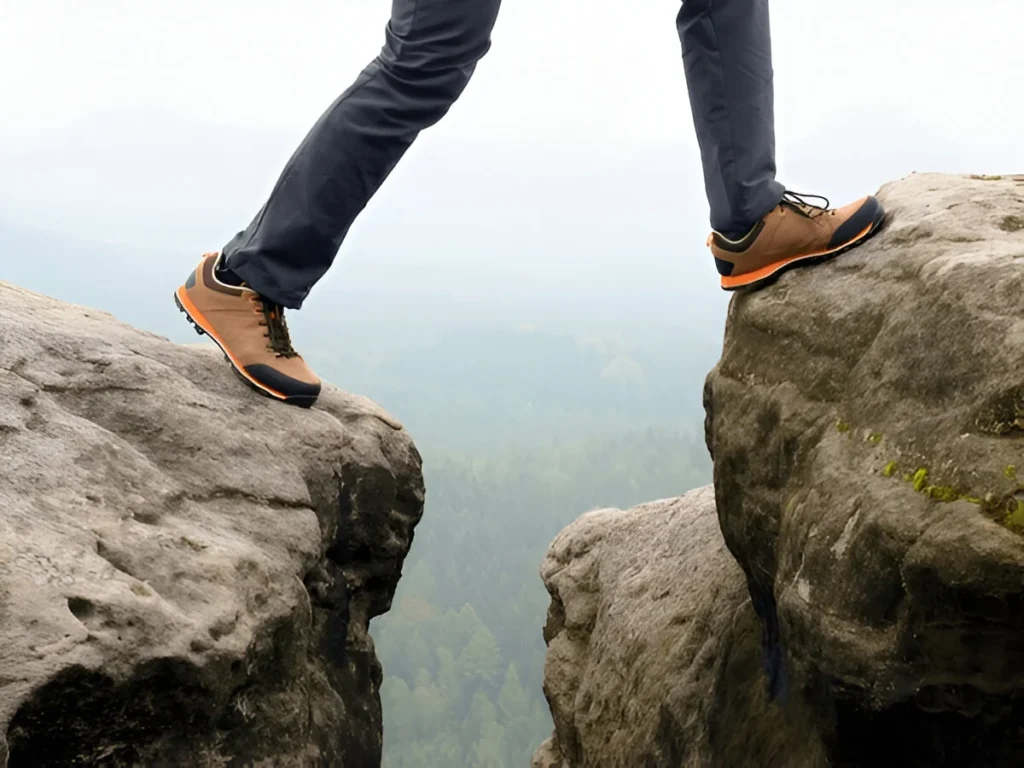
In warm or dry hiking conditions, breathability becomes more important than heavy waterproofing. Boots with mesh uppers and breathable linings allow air to circulate around the foot, helping reduce heat buildup and sweat. This keeps feet cooler, drier, and more comfortable during long hikes in sunny or hot environments.
Lightweight boots are especially beneficial in these conditions, as they reduce fatigue and allow for more natural movement on the trail. The La Sportiva Ultra Raptor II Mid GTX is a strong option for warm-weather hiking because it offers a breathable, trail-runner-inspired design while still providing solid grip and ankle support. Its airy construction helps manage heat, and the outsole delivers reliable traction on dry dirt, rocky paths, and uneven terrain.
For hot, dry climates, choosing a boot that balances ventilation, lightweight performance, and dependable traction can make a noticeable difference in comfort and endurance on the trail.
Wet Climates
In rainy conditions, muddy trails, or areas with consistently wet ground, waterproof protection becomes essential. Boots equipped with Gore-Tex waterproof linings are designed to block out moisture from rain, puddles, and wet grass while still allowing heat and sweat to escape. This helps keep your feet dry and comfortable during long hikes in damp environments.
Waterproof boots are especially useful on multi-day trips or hikes where wet conditions are unavoidable. Models like the Salomon Quest 4 GTX and La Sportiva Nucleo High II GTX stand out for their strong waterproof performance combined with durable construction and reliable traction. These boots not only keep water out but also provide the support and stability needed on slippery, uneven terrain.
For hikers who regularly explore wet climates, investing in a high-quality waterproof boot can greatly improve comfort, reduce the risk of blisters, and keep your feet warm and protected throughout the hike.
Backpacking and Rugged Terrain
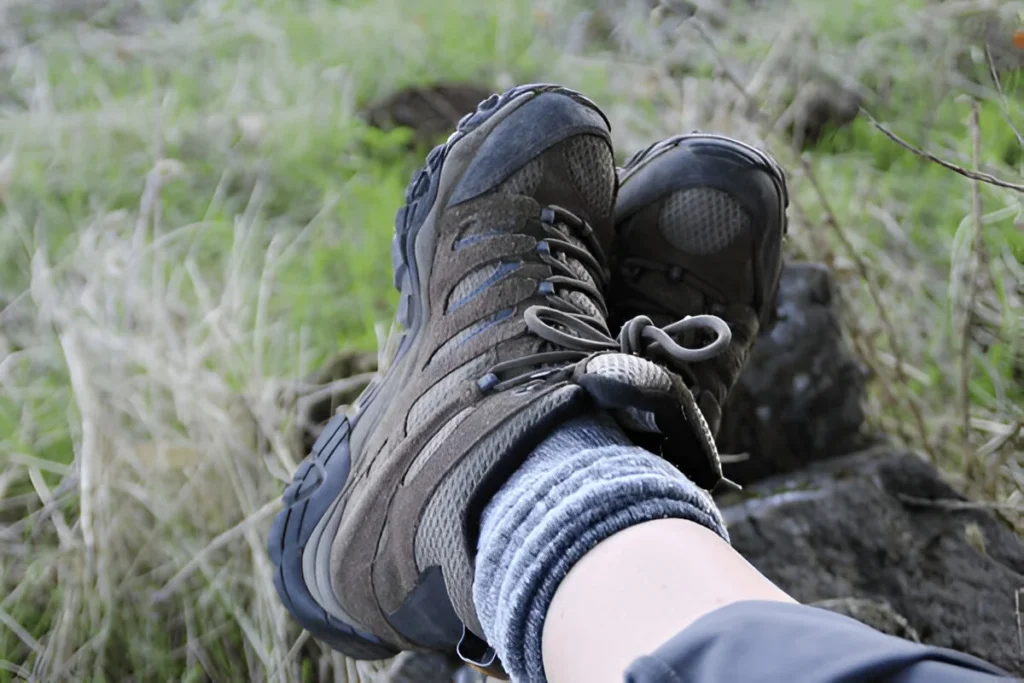
When hiking on rugged trails, steep climbs, or multi-day backpacking trips, footwear choice becomes critical. Carrying a heavy backpack places extra strain on your feet and ankles, so high-cut hiking boots with strong ankle support and a firm midsole are essential. These features help stabilize your foot, reduce the risk of ankle rolls, and improve balance on uneven, rocky, or off-trail terrain.
Boots designed for backpacking also offer increased durability and protection, including reinforced uppers, stiff midsoles, and aggressive outsoles that provide better grip on loose gravel, mud, and steep slopes. The Salomon Quest 4 GTX is a standout option for serious treks, thanks to its excellent ankle support, robust construction, and reliable waterproof protection, making it ideal for long-distance hikes in challenging environments.
Another strong choice is the Arc’teryx Aerios, which combines a lighter, more agile feel with solid protection and stability. It’s well-suited for hikers who want dependable performance on rugged terrain without the weight of a traditional heavy boot. For demanding backpacking trips and technical trails, choosing a boot that balances support, durability, and stability will greatly improve comfort, safety, and confidence on the trail.
Why You Should Trust Outdoor Searcher
At Outdoor Searcher, we don’t just write about hiking gear; we test it ourselves in real outdoor conditions. Every hiking boot featured in this guide was worn on actual trails by real hikers, not just evaluated based on specifications or brand claims. From muddy forest paths to rocky mountain routes, we put each boot through situations that reflect how people truly hike.
Our testing team includes hikers with experience in backpacking, trail running, day hiking, and mountain trekking, giving us a wide range of perspectives and needs. This diversity helps ensure our reviews reflect real-world use for different hiking styles, foot shapes, and experience levels. We evaluate comfort over long distances, stability under load, traction on changing terrain, and how boots perform over time, not just on the first wear.
We focus on honest, practical advice backed by hands-on testing. Our goal is to help you choose gear that performs reliably outdoors, not to repeat marketing language or technical jargon. When we recommend a hiking boot, it’s because it has proven itself on the trail, so you can trust that our picks are based on real performance, durability, and comfort where it matters most.
Conclusion
Hiking boots in 2026 have reached a new level of comfort, performance, and reliability, thanks to improved materials, smarter designs, and better fit options for different foot types and hiking styles. Today’s boots offer stronger support, more effective waterproofing, lighter weight, and improved breathability than ever before, allowing hikers to spend longer days on the trail with less fatigue and greater confidence.
No matter how or where you hike, there is a boot in this guide designed to meet your needs. For hikers looking for the best all-around performance, the Salomon Quest 4 GTX remains the standout choice, combining exceptional ankle support, durable construction, and comfort that holds up on long, demanding treks. If wet weather and muddy trails are your main concern, the La Sportiva Nucleo High II GTX delivers excellent waterproof protection while maintaining breathability, making it ideal for rainy climates and multi-day trips. For those who want dependable performance without a high price tag, boots like the Merrell Moab 3 and Columbia Crestwood Mid offer excellent comfort, reliable traction, and easy wear at a great value.
This guide also highlights the variety of modern hiking footwear available today. Lightweight, flexible options such as the ALTRA Lone Peak Mid appeal to hikers who prefer natural foot movement and all-day comfort, while tougher, more technical boots like the Ultra Raptor II are built to handle rocky climbs, steep descents, and rugged terrain. Each model on this list earned its place through real-world testing, not marketing promises.
Ultimately, the best hiking boot is the one that matches your terrain, pack weight, climate, and hiking goals. By choosing footwear that fits your needs, you’ll enjoy a safer footing, reduced fatigue, and a more enjoyable experience on the trail. With the right pair of boots, you can confidently explore new paths and make the most of every hike in the year ahead.
FAQs
How do I choose the right hiking boots for my needs?
Choosing the right hiking boots depends on where you hike, how long your hikes are, and how much support your feet and ankles need. For short hikes on dry, well-maintained trails or casual nature walks, lightweight hiking boots or even trail shoes can provide enough comfort and flexibility without feeling heavy or restrictive.
If you regularly hike on uneven terrain, rocky paths, or trails with elevation changes, a mid-cut or high-cut hiking boot offers better ankle support and stability. For longer hikes, backpacking trips, or when carrying a heavy pack, boots with firmer midsoles, strong ankle support, and durable construction help reduce fatigue and protect your feet over many miles.
Are waterproof hiking boots really necessary?
Waterproof hiking boots can make a big difference if you frequently hike in wet conditions, such as muddy trails, rainy weather, wet grass, or shallow stream crossings. Boots with Gore-Tex or similar waterproof membranes help keep moisture out while still allowing some breathability. Keeping your feet dry not only improves comfort but also helps prevent blisters, hot spots, and cold feet during longer hikes.
That said, waterproof boots aren’t always necessary for everyone. In hot or dry climates, non-waterproof boots often feel more comfortable because they breathe better and dry faster if they do get wet. Waterproof boots can sometimes trap heat, making feet feel warmer during high-output hikes.
How should hiking boots fit? Should I size up?
Hiking boots should fit securely around the heel and midfoot while still allowing enough room in the toe box for comfort and movement. Your heel should feel locked in place with minimal slipping, and the midfoot should feel supportive without pressure. At the same time, your toes should have space to wiggle and should not touch the front of the boot, especially when walking downhill or descending steep trails.
What’s the difference between hiking boots and hiking shoes?
Hiking boots typically provide more ankle support, thicker midsoles, and greater overall protection, making them ideal for backpacking trips, rocky or uneven terrain, and hikes that involve carrying heavy loads. The added structure helps stabilize the foot and ankle, reducing fatigue and the risk of injury on demanding trails.
Hiking shoes, on the other hand, are lighter, more flexible, and easier to move in. They’re better suited for fast-paced hiking, well-maintained trails, and shorter day hikes where agility and comfort matter more than maximum support. Hiking shoes often feel similar to athletic footwear and usually require little to no break-in time.
How long do hiking boots usually last?
On average, hiking boots can last anywhere from 500 to 1,000 miles, depending on the quality of the boot, the terrain you hike on, and how well the boots are maintained. Rough, rocky trails and frequent use with heavy backpacks tend to wear boots out faster, while lighter use on maintained trails helps extend their lifespan.
Premium boots made with leather or nubuck uppers and Vibram outsoles generally last longer than lightweight, fully synthetic models. Leather holds up better against abrasion and can be conditioned over time, while high-quality outsoles resist wear more effectively.
Can I break in hiking boots quickly, or should I plan?
It’s always best to plan and break in hiking boots gradually rather than trying to rush the process. New boots, especially those designed for support and durability, need time to soften and mold to your feet. Start by wearing them around the house, on short walks, or during daily errands for at least one to two weeks before taking them on a long hike. This helps identify any pressure points early and reduces the risk of blisters.